New Year, New Compliance: What the 2025 Aged Care Act Means for Your Facility’s Furniture in 2026

The start of a new year is the perfect time to review your facility’s furniture and ensure it supports both your aged care residents’ wellbeing and compliance with the Aged Care Act 2025. Furniture may seem like a small detail, but it directly affects resident safety, dignity, and comfort—and non-compliant furniture can create risks that are avoidable.
In this article, we’ll break down the key considerations from the 2025 Act and provide practical guidance to help you start the year confidently.
1. Understanding the Furniture-Relevant Sections of the 2025 Act
Before making any aged care furniture decisions, it’s essential to understand what the Aged Care Act 2025 expects from your facility. While not every clause in the legislation will relate directly to furniture, several key areas have a direct impact on resident wellbeing, staff safety, and regulatory compliance. Overlooking these areas can lead to safety incidents, non-compliance findings, and even higher operational costs due to frequent replacements or injuries.
At its core, the 2025 Act emphasises resident safety, independence, dignity, and comfort. Each of these priorities has clear implications for furniture:
-
Resident dignity and independence:
Residents should be able to move freely and comfortably within communal and private spaces. Furniture that is too low, too high, or difficult to use can limit independence and may increase reliance on staff. Examples include chairs without arm supports, tables that are inaccessible for wheelchair users, or seating that doesn’t provide sufficient stability. By choosing furniture that accommodates different mobility levels, you not only enhance dignity but also reduce falls and staff assistance requirements. -
Safety and risk management:
The Act requires facilities to identify and minimise risks wherever possible. Furniture plays a significant role in this. Unstable chairs, sharp-edged tables, or slippery surfaces create hazards that can lead to falls, cuts, or other injuries. Compliance requires assessing furniture for stability, secure assembly, and safe placement within walkways and communal areas. Even small adjustments—like adding anti-slip pads or replacing worn chairs—can significantly reduce risk. -
Infection prevention:
Hygiene is a critical aspect of compliance under the 2025 Act. Furniture surfaces must be easy to clean and disinfect, durable enough to withstand frequent cleaning, and made from materials that don’t harbour bacteria or mould. This applies to dining tables, lounge chairs, bedside tables, and even storage units. Choosing wipeable, non-porous surfaces helps staff maintain a clean environment efficiently and protects residents from infection risks.
Understanding these furniture-relevant sections of the Act allows facility managers to make informed decisions, ensuring that every purchase or upgrade directly supports resident wellbeing, safety, and regulatory compliance. Essentially, furniture is not just a functional item—it’s a tool to deliver high-quality care while meeting the legal requirements of the 2025 Act.
2. Key Furniture Considerations for Compliance
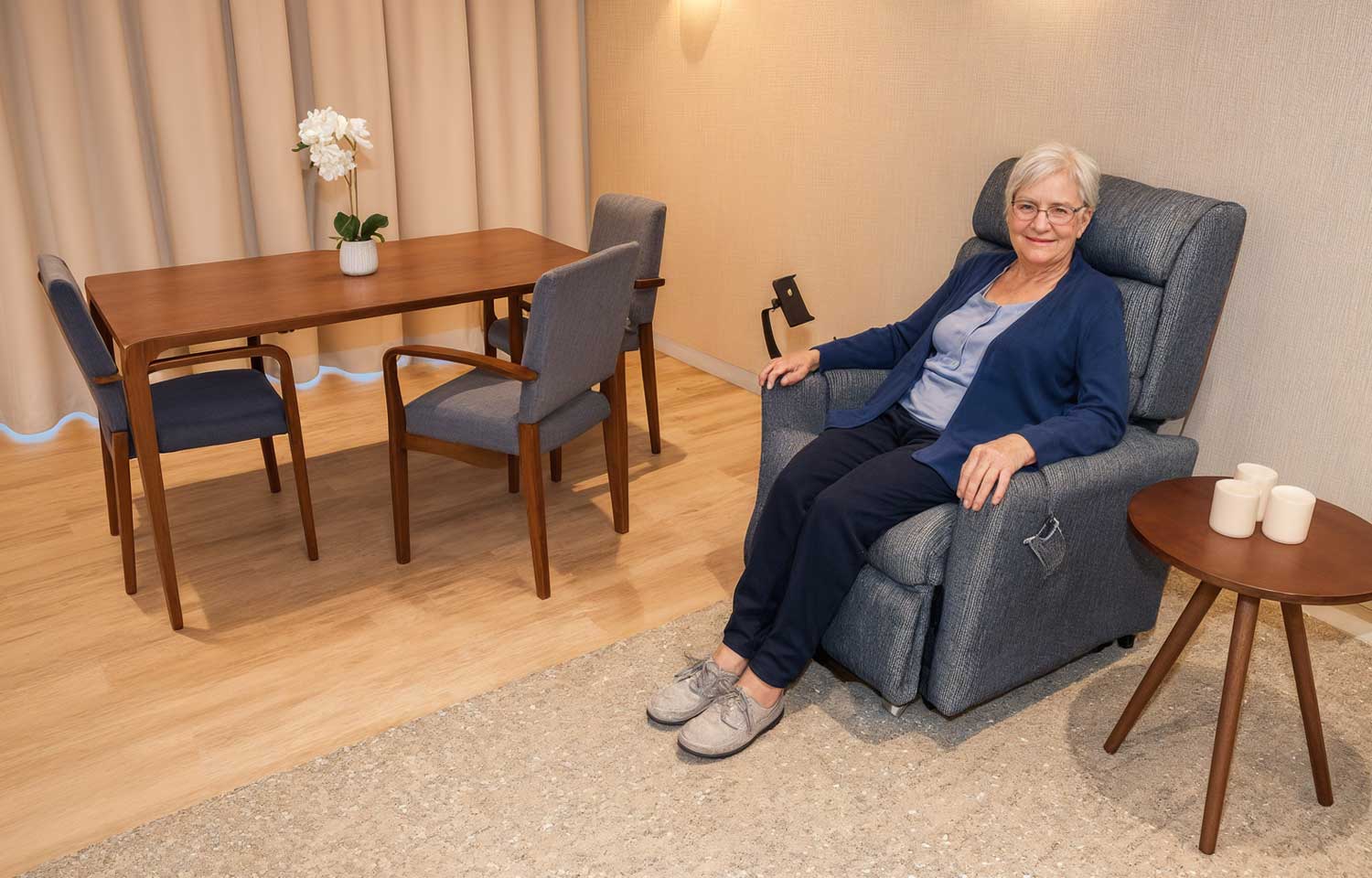
Once you understand the Act, the next step is identifying the furniture features that help your facility meet these requirements. The right choices reduce risk, improve resident comfort, and make daily operations smoother for staff.
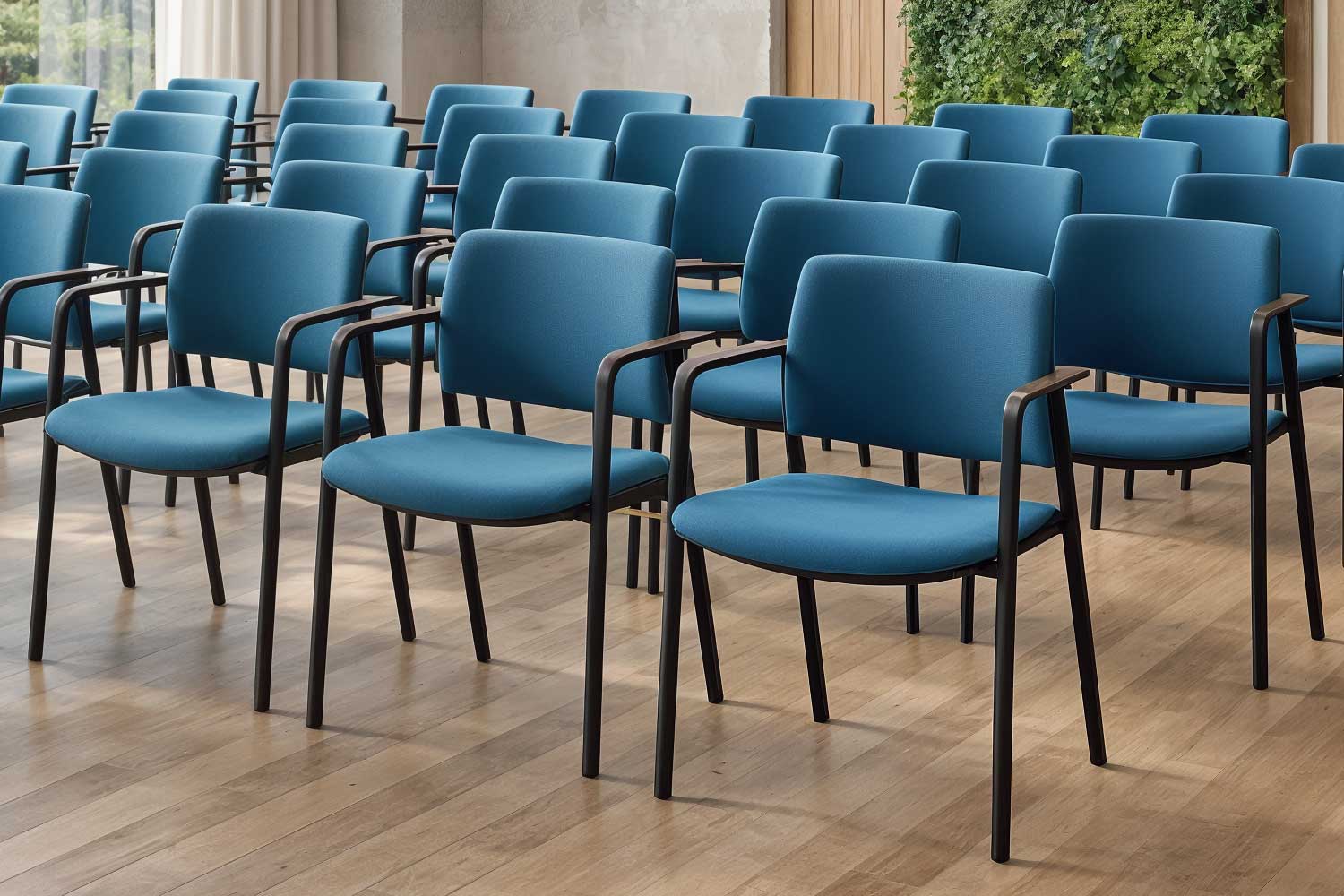
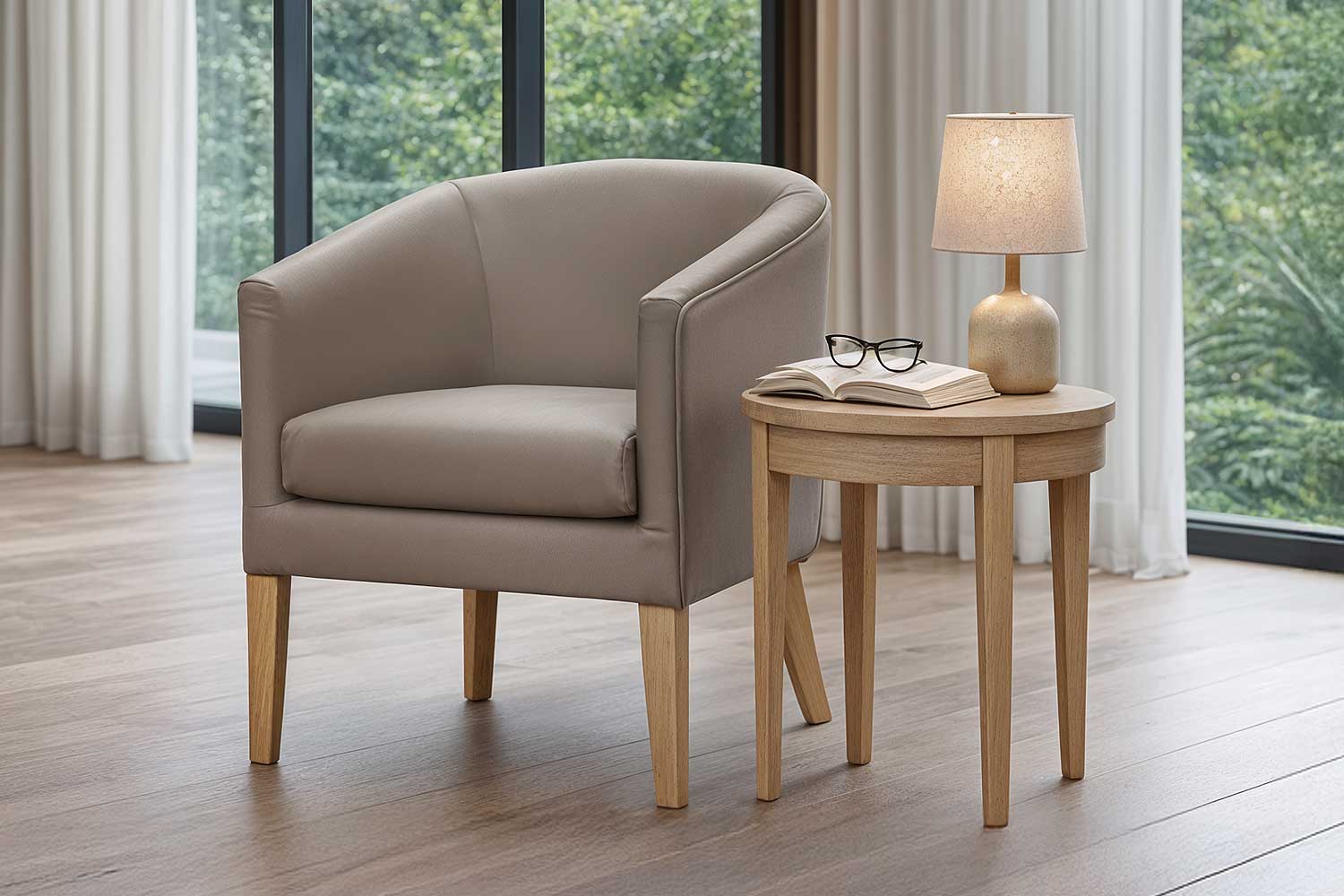
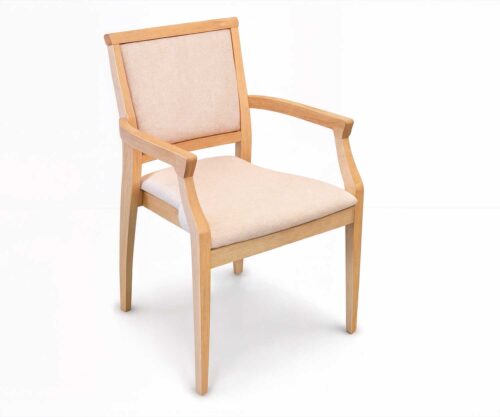
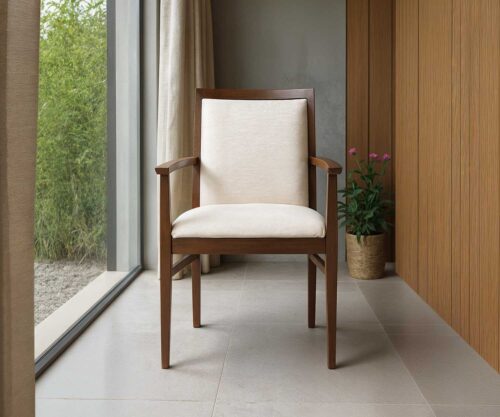
Chairs and seating:
-
Adjustable height and firm cushioning for comfort and posture.
-
Arm supports to aid mobility and reduce falls.
-
Anti-slip feet or pads for stability.
Tables:
-
Stable, height-appropriate designs for wheelchair users and residents with mobility aids.
-
Rounded edges to minimise injury risk.
-
Durable, easy-to-clean surfaces to maintain hygiene standards.
Storage units:
-
Accessible and easy to use for residents and staff.
-
No sharp edges or protrusions that could cause injury.
Outdoor furniture:
-
Slip-resistant and weatherproof to maintain safety in communal gardens or patios.
-
Sturdy designs that allow assisted walking or leaning for support.
3. Quick Tips for Assessing Your Current Furniture
Before investing in new furniture, it’s worth evaluating what you already have. A thorough assessment helps you prioritise upgrades and ensures that your existing pieces are safe and compliant.
- Check for wear and tear: Look for sagging cushions, frayed upholstery, or loose joints—these can compromise safety and comfort.
- Test stability: Push gently on chairs, tables, and storage units to ensure they don’t wobble or tip easily.
- Measure accessibility: Ensure that furniture allows sufficient space for walkers, wheelchairs, and mobility aids.
- Evaluate height: Confirm seating and tables are at a comfortable height for residents, especially those with mobility limitations.
- Inspect edges and corners: Rounded or padded edges reduce the risk of bumps and cuts.
- Review outdoor furniture: Check for weather damage, slippery surfaces, or rust that could create hazards.
- Assess cleaning ease: Surfaces should be wipeable and fabrics should be durable enough for regular disinfecting.
- Check for overcrowding: Make sure furniture placement doesn’t block walkways or emergency exits.
- Observe resident use: Watch how residents interact with the furniture—do they struggle to sit, stand, or reach items?
- Prioritise high-risk areas: Focus on dining rooms, lounges, corridors, and bathrooms where falls or accidents are more likely.
4. Planning for the Year Ahead
Compliance isn’t a one-time task—it’s an ongoing process. Planning your furniture strategy for the year ahead ensures that your facility continues to meet the 2025 Act requirements while also improving resident comfort and staff efficiency.
- Create a Furniture Audit Calendar: Schedule quarterly checks to review condition, safety, and hygiene compliance for all key areas.
- Develop a Replacement Priority List: Rank furniture based on risk, frequency of use, and compliance gaps to plan budgets effectively.
- Set a Maintenance Routine: Assign staff to regularly tighten screws, replace worn pads, and clean hard-to-reach areas.
- Plan for Modular Upgrades: Invest in furniture that can be moved or reconfigured to adapt to resident needs and new Act requirements.
- Allocate a Budget for Quick Wins: Set aside funds for small but impactful improvements like adding arm supports, cushions, or non-slip pads.
- Track Furniture Lifespan: Note purchase dates and expected durability to anticipate replacements before safety becomes an issue.
- Engage Staff Feedback: Ask care staff about furniture challenges they face daily—they often notice risks or discomforts first.
- Consider Resident Input: Residents’ comfort and usability feedback can help prioritise upgrades that improve quality of life.
- Review External Standards: Check manufacturers’ guidance and industry standards for aged care furniture to align with the 2025 Act.
- Integrate Furniture into Facility Goals: Include furniture compliance, safety, and comfort in your annual operational plan to ensure follow-through.
Furniture is more than decoration—it’s a key element of resident safety, comfort, and regulatory compliance. Starting the year with a clear plan for your facility’s furniture ensures you meet the Aged Care Act 2025 standards while creating spaces your residents can enjoy safely.
For tailored guidance on your furniture upgrades or compliance planning, reach out to one of our Project Consultants today. They can help you identify quick wins and long-term improvements specific to your facility.
Custom Furniture for Aged Care Facilities



Recent Updates





New Year, New Compliance: What the 2025 Aged Care Act Means for Your Facility’s Furniture in 2026
The start of a new year is the perfect time to review your facility’s furniture and ensure it supports both your aged care residents’ wellbeing and compliance with the Aged Care Act 2025. Furniture may seem like a small detail, but it directly affects resident safety, dignity, and comfort—and non-compliant furniture can create risks that are avoidable.
In this article, we’ll break down the key considerations from the 2025 Act and provide practical guidance to help you start the year confidently.
1. Understanding the Furniture-Relevant Sections of the 2025 Act
Before making any aged care furniture decisions, it’s essential to understand what the Aged Care Act 2025 expects from your facility. While not every clause in the legislation will relate directly to furniture, several key areas have a direct impact on resident wellbeing, staff safety, and regulatory compliance. Overlooking these areas can lead to safety incidents, non-compliance findings, and even higher operational costs due to frequent replacements or injuries.
At its core, the 2025 Act emphasises resident safety, independence, dignity, and comfort. Each of these priorities has clear implications for furniture:
-
Resident dignity and independence:
Residents should be able to move freely and comfortably within communal and private spaces. Furniture that is too low, too high, or difficult to use can limit independence and may increase reliance on staff. Examples include chairs without arm supports, tables that are inaccessible for wheelchair users, or seating that doesn’t provide sufficient stability. By choosing furniture that accommodates different mobility levels, you not only enhance dignity but also reduce falls and staff assistance requirements. -
Safety and risk management:
The Act requires facilities to identify and minimise risks wherever possible. Furniture plays a significant role in this. Unstable chairs, sharp-edged tables, or slippery surfaces create hazards that can lead to falls, cuts, or other injuries. Compliance requires assessing furniture for stability, secure assembly, and safe placement within walkways and communal areas. Even small adjustments—like adding anti-slip pads or replacing worn chairs—can significantly reduce risk. -
Infection prevention:
Hygiene is a critical aspect of compliance under the 2025 Act. Furniture surfaces must be easy to clean and disinfect, durable enough to withstand frequent cleaning, and made from materials that don’t harbour bacteria or mould. This applies to dining tables, lounge chairs, bedside tables, and even storage units. Choosing wipeable, non-porous surfaces helps staff maintain a clean environment efficiently and protects residents from infection risks.
Understanding these furniture-relevant sections of the Act allows facility managers to make informed decisions, ensuring that every purchase or upgrade directly supports resident wellbeing, safety, and regulatory compliance. Essentially, furniture is not just a functional item—it’s a tool to deliver high-quality care while meeting the legal requirements of the 2025 Act.
2. Key Furniture Considerations for Compliance
Once you understand the Act, the next step is identifying the furniture features that help your facility meet these requirements. The right choices reduce risk, improve resident comfort, and make daily operations smoother for staff.
Chairs and seating:
-
Adjustable height and firm cushioning for comfort and posture.
-
Arm supports to aid mobility and reduce falls.
-
Anti-slip feet or pads for stability.
Tables:
-
Stable, height-appropriate designs for wheelchair users and residents with mobility aids.
-
Rounded edges to minimise injury risk.
-
Durable, easy-to-clean surfaces to maintain hygiene standards.
Storage units:
-
Accessible and easy to use for residents and staff.
-
No sharp edges or protrusions that could cause injury.
Outdoor furniture:
-
Slip-resistant and weatherproof to maintain safety in communal gardens or patios.
-
Sturdy designs that allow assisted walking or leaning for support.
3. Quick Tips for Assessing Your Current Furniture
Before investing in new furniture, it’s worth evaluating what you already have. A thorough assessment helps you prioritise upgrades and ensures that your existing pieces are safe and compliant.
- Check for wear and tear: Look for sagging cushions, frayed upholstery, or loose joints—these can compromise safety and comfort.
- Test stability: Push gently on chairs, tables, and storage units to ensure they don’t wobble or tip easily.
- Measure accessibility: Ensure that furniture allows sufficient space for walkers, wheelchairs, and mobility aids.
- Evaluate height: Confirm seating and tables are at a comfortable height for residents, especially those with mobility limitations.
- Inspect edges and corners: Rounded or padded edges reduce the risk of bumps and cuts.
- Review outdoor furniture: Check for weather damage, slippery surfaces, or rust that could create hazards.
- Assess cleaning ease: Surfaces should be wipeable and fabrics should be durable enough for regular disinfecting.
- Check for overcrowding: Make sure furniture placement doesn’t block walkways or emergency exits.
- Observe resident use: Watch how residents interact with the furniture—do they struggle to sit, stand, or reach items?
- Prioritise high-risk areas: Focus on dining rooms, lounges, corridors, and bathrooms where falls or accidents are more likely.
4. Planning for the Year Ahead
Compliance isn’t a one-time task—it’s an ongoing process. Planning your furniture strategy for the year ahead ensures that your facility continues to meet the 2025 Act requirements while also improving resident comfort and staff efficiency.
- Create a Furniture Audit Calendar: Schedule quarterly checks to review condition, safety, and hygiene compliance for all key areas.
- Develop a Replacement Priority List: Rank furniture based on risk, frequency of use, and compliance gaps to plan budgets effectively.
- Set a Maintenance Routine: Assign staff to regularly tighten screws, replace worn pads, and clean hard-to-reach areas.
- Plan for Modular Upgrades: Invest in furniture that can be moved or reconfigured to adapt to resident needs and new Act requirements.
- Allocate a Budget for Quick Wins: Set aside funds for small but impactful improvements like adding arm supports, cushions, or non-slip pads.
- Track Furniture Lifespan: Note purchase dates and expected durability to anticipate replacements before safety becomes an issue.
- Engage Staff Feedback: Ask care staff about furniture challenges they face daily—they often notice risks or discomforts first.
- Consider Resident Input: Residents’ comfort and usability feedback can help prioritise upgrades that improve quality of life.
- Review External Standards: Check manufacturers’ guidance and industry standards for aged care furniture to align with the 2025 Act.
- Integrate Furniture into Facility Goals: Include furniture compliance, safety, and comfort in your annual operational plan to ensure follow-through.
Furniture is more than decoration—it’s a key element of resident safety, comfort, and regulatory compliance. Starting the year with a clear plan for your facility’s furniture ensures you meet the Aged Care Act 2025 standards while creating spaces your residents can enjoy safely.
For tailored guidance on your furniture upgrades or compliance planning, reach out to one of our Project Consultants today. They can help you identify quick wins and long-term improvements specific to your facility.