If Your Aged Care Environment Confuses Residents, It’s Failing Them: 6 Environmental Triggers You Might Be Overlooking
In aged care, confusion is not a minor inconvenience.
It can trigger agitation, withdrawal, wandering, falls and family complaints.
When a resident hesitates at an intersection, struggles to recognise their room, or becomes distressed in a dining area, the environment is communicating poorly.
And when the environment confuses, it fails.
Design is not cosmetic. It is clinical, operational and deeply human. In dementia-supportive environments, every decision — particularly furniture — either reduces cognitive load or adds to it.
Let’s unpack what that means in practice.
Good Design Is Not a “Nice to Have”
The National Aged Care Design Principles and Guidelines place strong emphasis on:
- Enabling independence
- Supporting safety and dignity
- Promoting familiar, homelike environments
- Reducing confusion and distress
- Connecting residents to community and outdoors
These principles are not abstract ideals. They are directly influenced by physical design decisions — including lighting placement, acoustic treatment, colour palettes, furniture layout and material selection.
If your environment increases cognitive effort, it is working against these principles.
The Environmental Triggers You Might Be Overlooking
Confusion rarely comes from one dramatic flaw. It’s usually the accumulation of small environmental stressors.
1. Lighting
- Harsh downlights create glare and shadowing.
- Inconsistent lighting between corridors and rooms disorients.
- Dark flooring under bright lighting can appear as holes or voids.
Furniture connection:
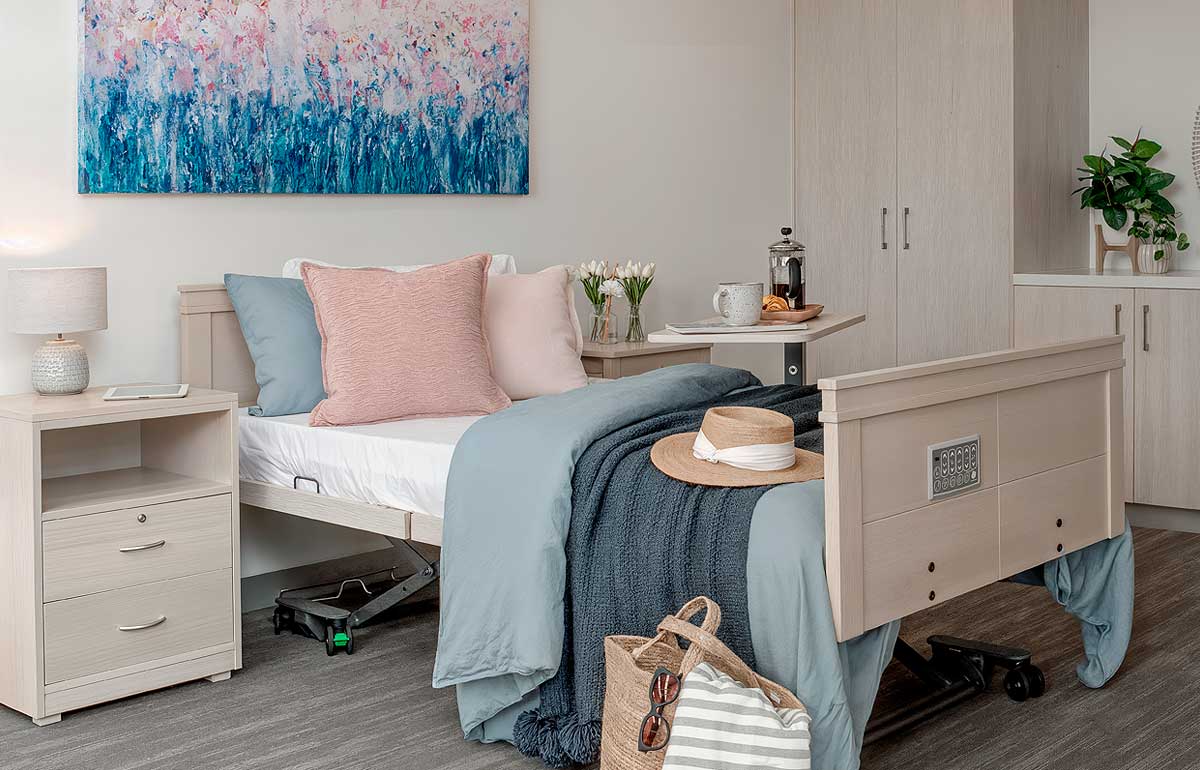
Gloss finishes on tables and armrests reflect light and increase visual distortion. Matte finishes reduce glare and support visual clarity.
Well-lit seating areas with clearly defined task lighting help residents recognise activity zones.
2. Acoustics
Hard surfaces amplify noise.
Noise increases agitation.
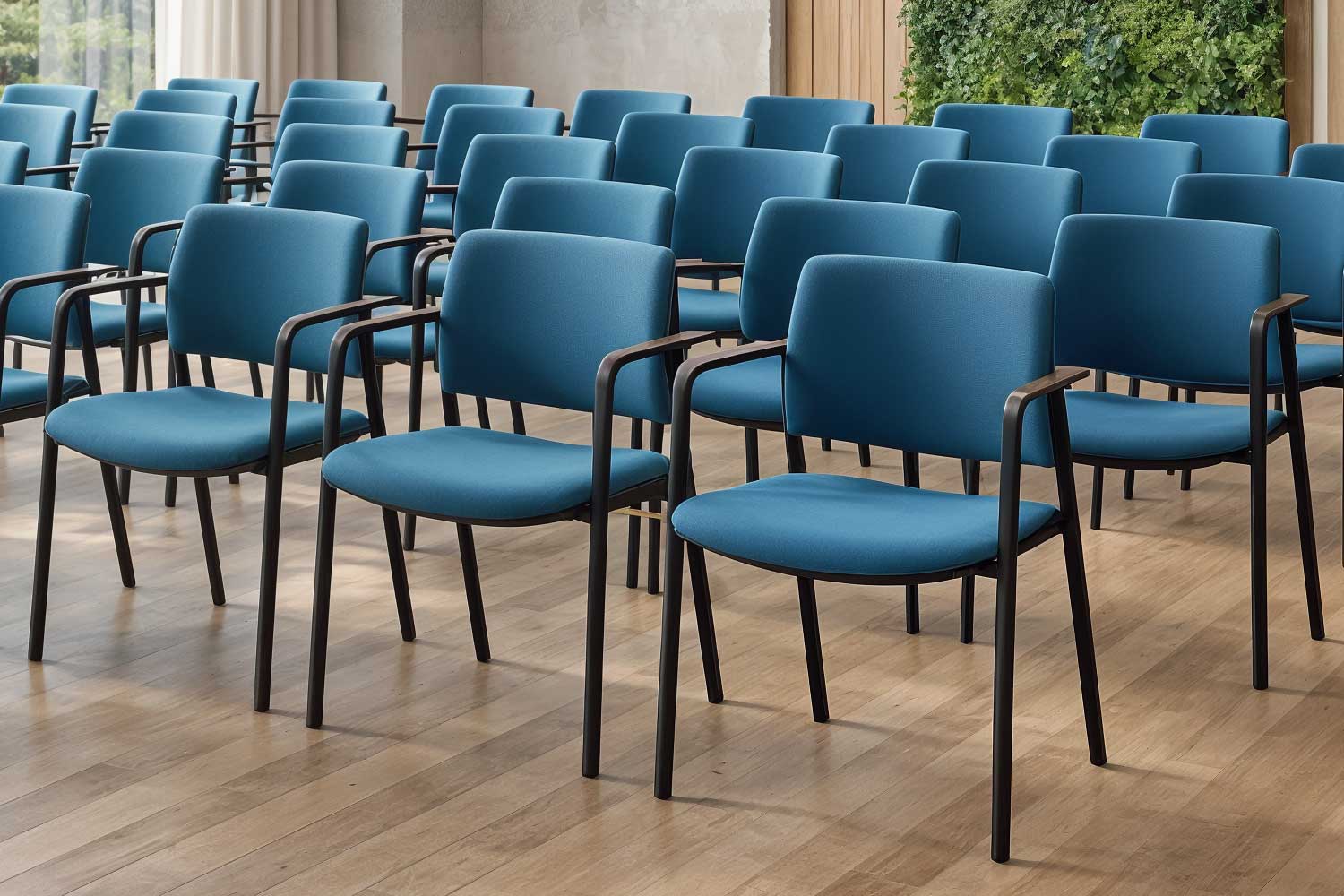
Open dining rooms with tiled floors and lightweight stacking chairs create echo chambers. Residents with dementia can struggle to filter background sound.
Furniture connection:
- Upholstered seating absorbs sound.
- Soft-backed dining chairs reduce scraping noise.
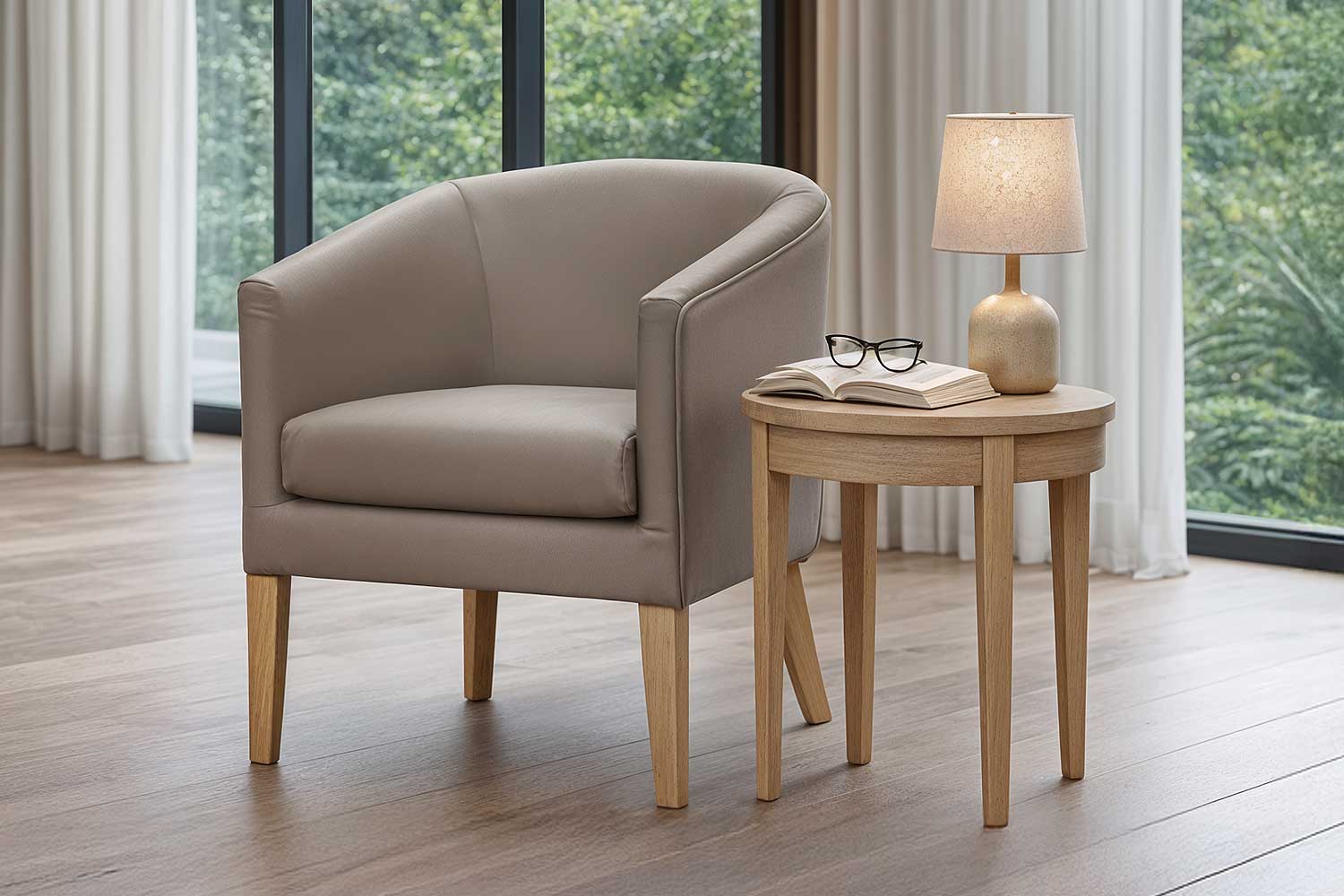
- Lounge furniture with padded arms softens acoustic impact.
Acoustically considerate furniture supports calm environments.
3. Colour & Contrast
Poor contrast creates perceptual confusion.
Examples:
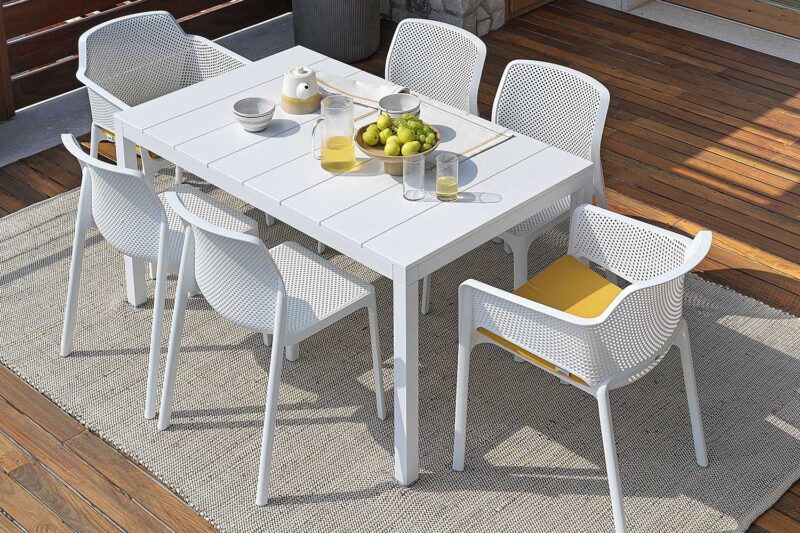
- White crockery on white tables.
- Low-contrast armchairs against walls.
- Toilets blending into tiled backgrounds.
Residents need visual cues to interpret space.
Furniture connection:
- Armrests in contrasting colours improve depth perception.
- Dining chairs that contrast with flooring define zones.
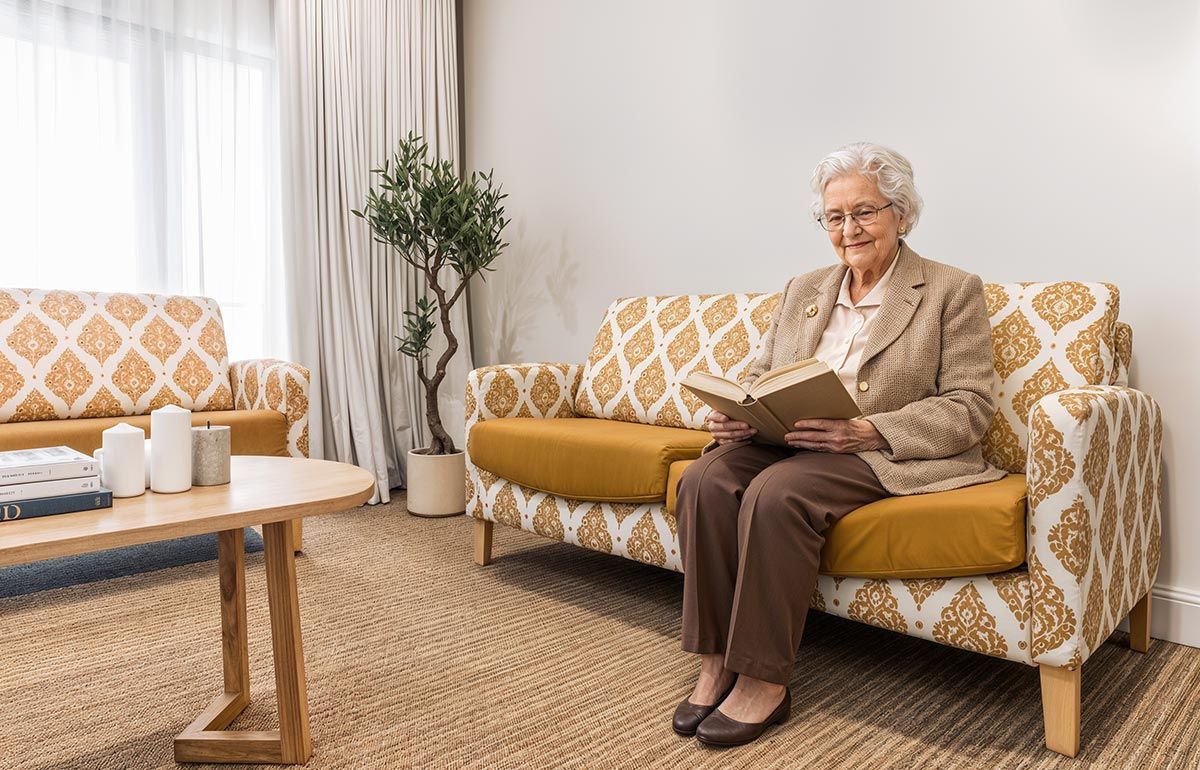
- Upholstery patterns should be calm, not busy or abstract.
Contrast supports independence. Overstimulating patterns undermine it.
4. Layout & Spatial Legibility
Long, identical corridors.
Furniture randomly positioned.
No visual anchors.
When spaces lack landmarks, residents rely on memory — which may be compromised.
Furniture connection:
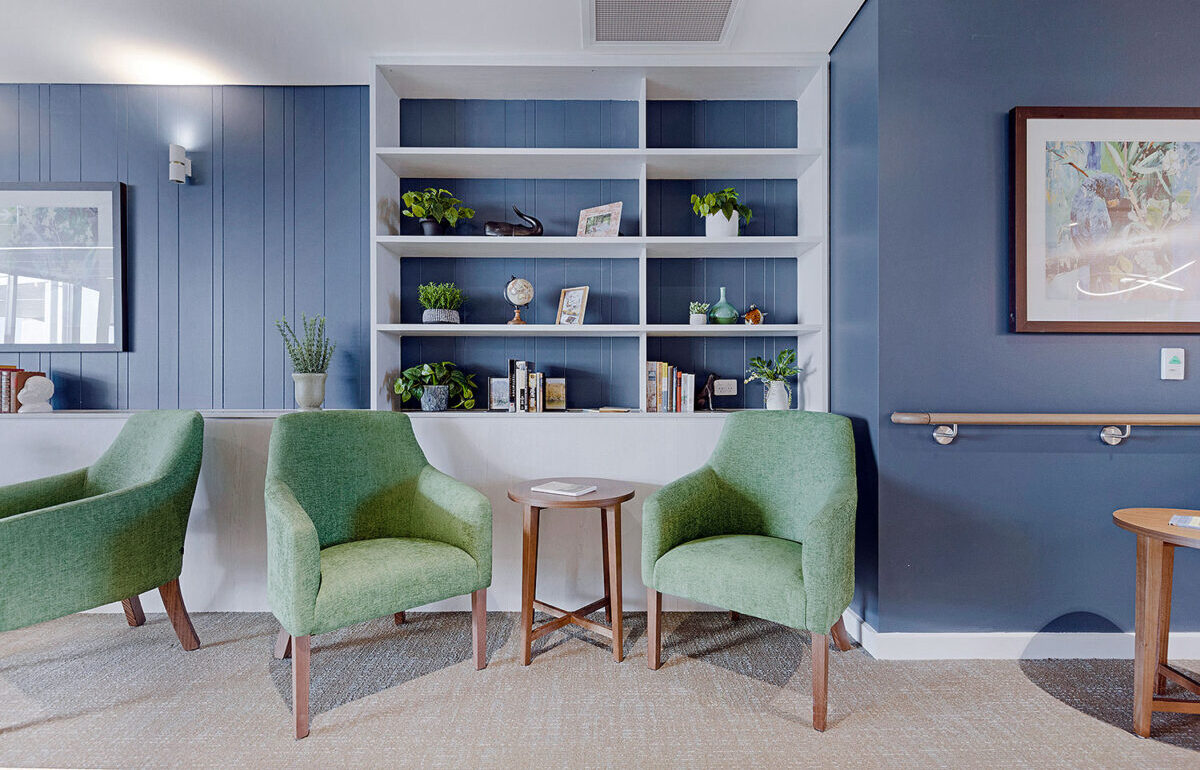
- Consistent lounge layouts create predictability.
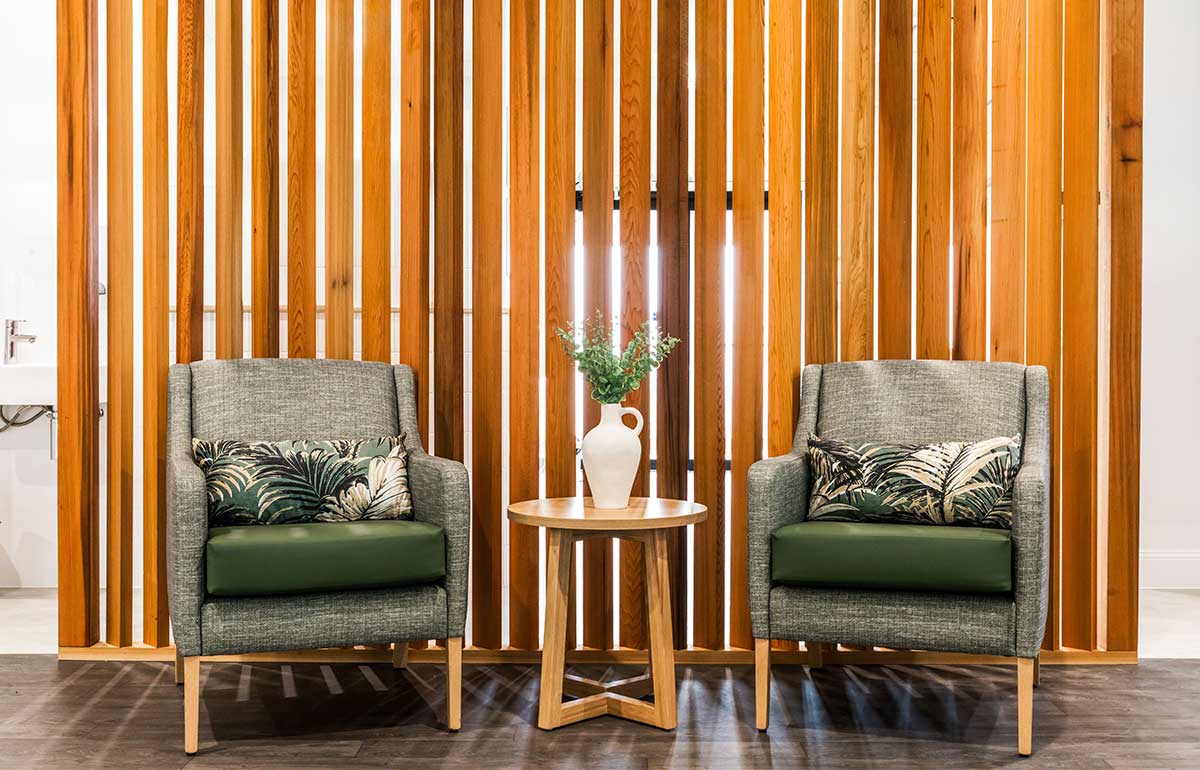
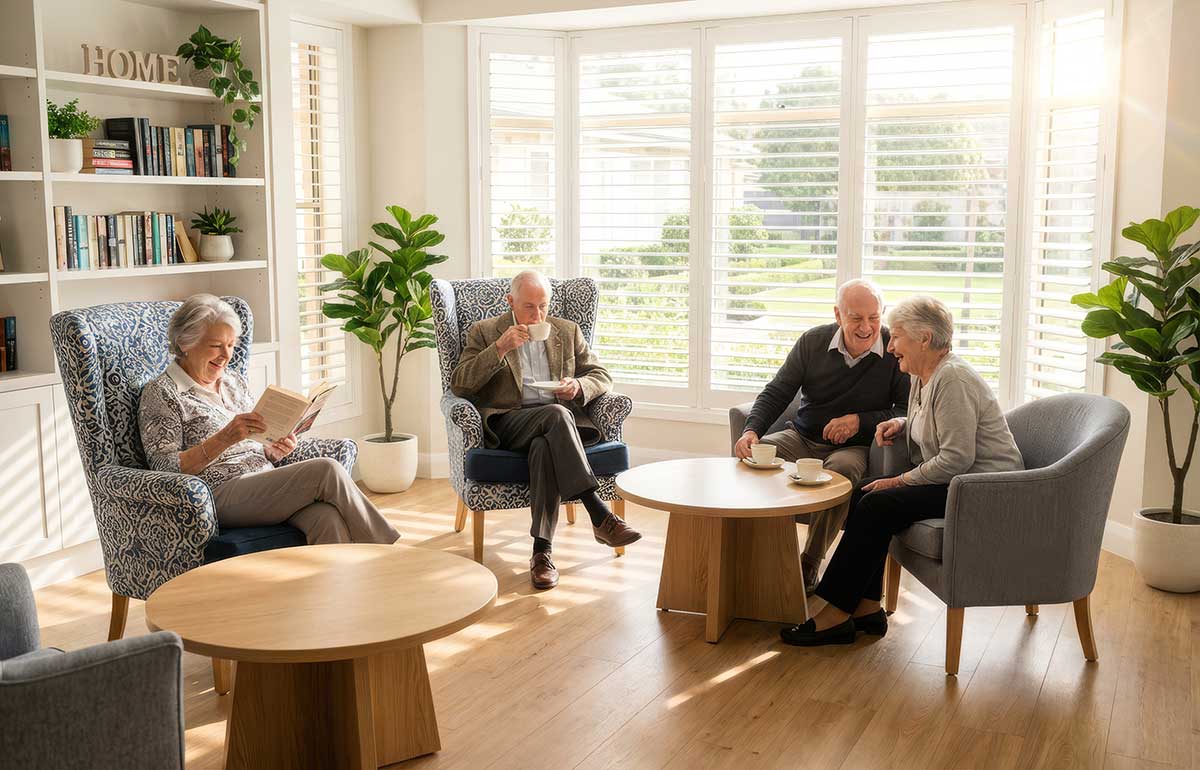
- Furniture arranged in small clusters encourages social connection.
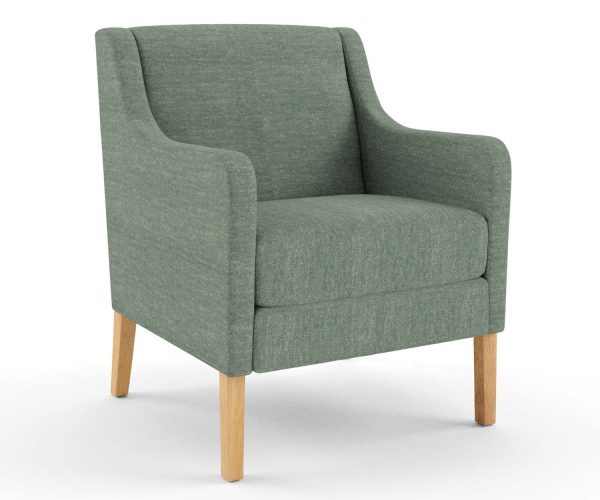
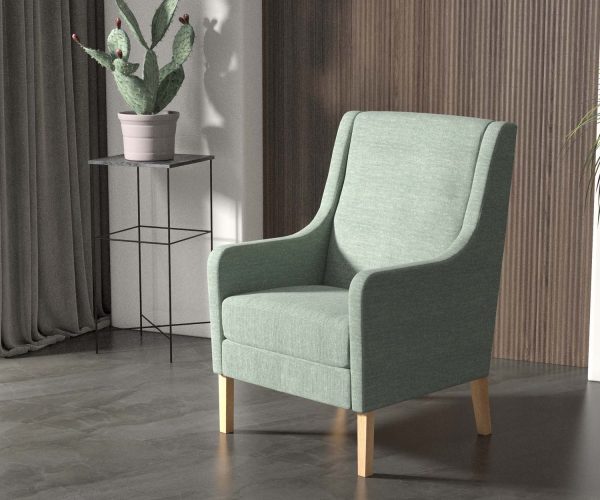
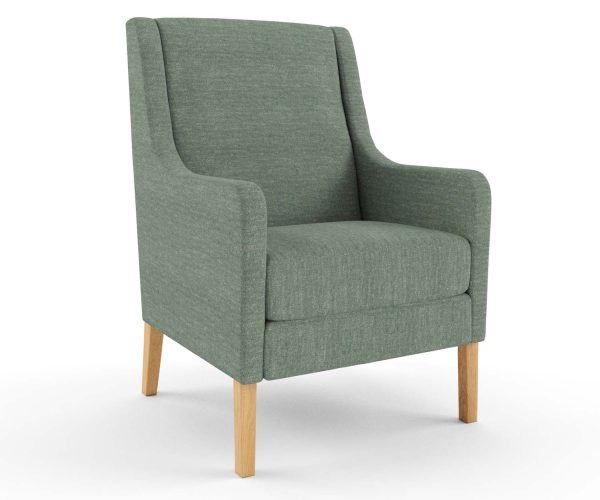
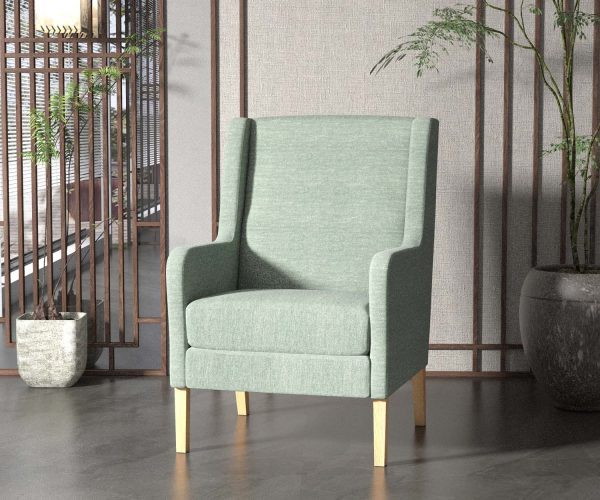
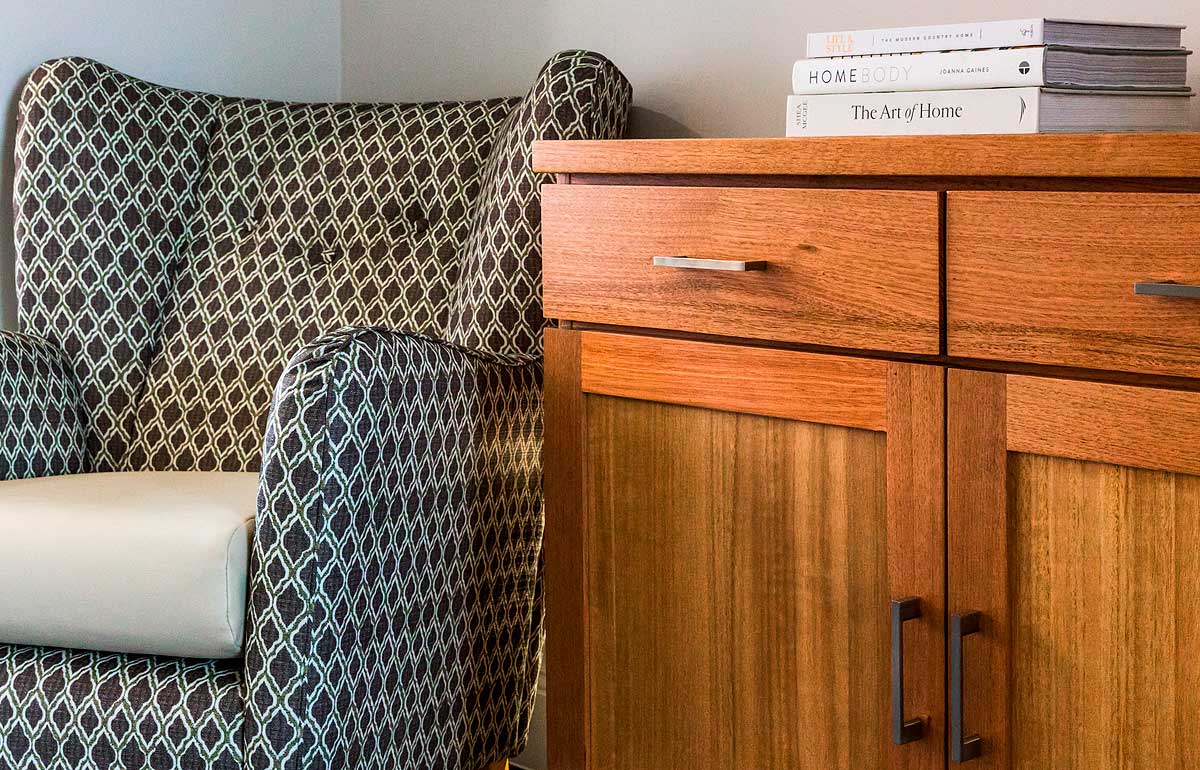
- Statement armchairs or feature cabinets can act as orientation markers.
Layout is not just about capacity. It is about legibility.
5. Wayfinding
Wayfinding is more than signage.
It includes:
- Visual sightlines
- Recognisable destinations
- Furniture cues that signal purpose
A dining table visible from the corridor signals “mealtime zone.”
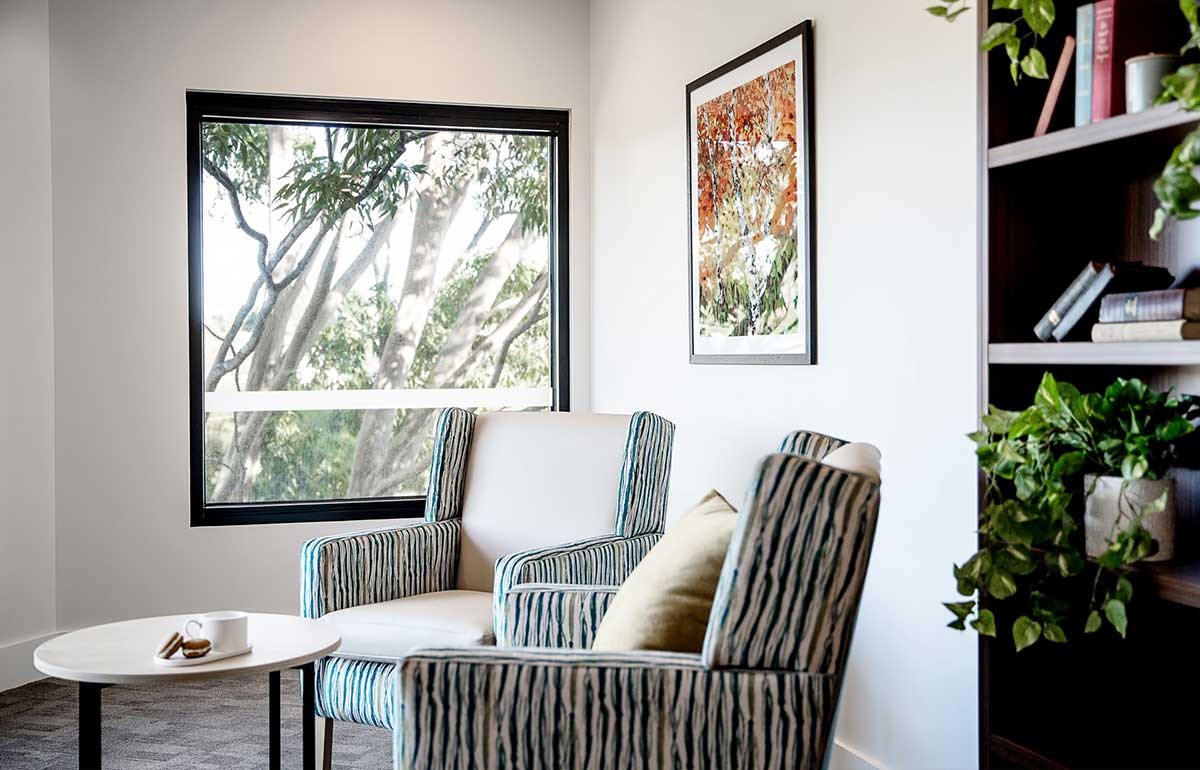
A comfortable reading chair near a bookshelf signals “quiet space.”
When furniture reinforces function, signage becomes secondary.
6. Outdoor Access
Connection to outdoors reduces agitation and improves mood.
But the transition must feel intuitive.
If outdoor areas are:
- Difficult to access
- Visually disconnected
- Furnished with lightweight, unstable chairs
Residents will not use them.
Furniture connection:
- Stable outdoor seating with supportive arms.
- Tables at accessible heights.
- Clear sightlines between indoors and outdoors.
Outdoor furniture should feel as secure and considered as indoor furniture.
Furniture Is Not Decoration. It Is Infrastructure.
Furniture in aged care performs multiple roles:
- Physical support
- Visual cue
- Acoustic moderator
- Emotional anchor
- Infection control surface
- Compliance requirement
Poorly selected furniture increases environmental triggers:
- Slippery armrests → falls risk
- Low seats → loss of independence
- Busy upholstery → visual confusion
- Identical room layouts → disorientation
Well-selected furniture reduces cognitive load:
- Supportive arms → easier transfers
- Defined seating clusters → clearer social cues
- Calm textiles → reduced overstimulation
- Familiar silhouettes → emotional reassurance
When furniture supports autonomy, it aligns directly with the Design Principles.
Linking Design to the National Aged Care Design Principles
Here’s how everyday furniture decisions align with the guidelines:
| Design Principle | Furniture Application |
|---|---|
| Enable Independence | Correct seat heights, supportive arms, stable frames |
| Support Safety & Risk Reduction | Non-slip feet, durable upholstery, no sharp edges |
| Promote Familiarity | Residential-style silhouettes, warm materials |
| Encourage Social Connection | Small-group lounge settings, flexible dining arrangements |
| Enhance Comfort & Dignity | Generous seat widths, pressure-supportive cushioning |
Compliance is not just about documentation.
It is embedded in the physical environment.
Designing for Calm
To reduce confusion, environments should:
- Minimise glare
- Soften noise
- Simplify visual information
- Provide consistent layout patterns
- Avoid overstimulation
Furniture contributes significantly to each of these.
Calm does not mean bland.
It means predictable, legible and comfortable.
When residents instinctively understand a space, they experience less stress.
When families see their loved one navigating confidently, trust increases.
When staff operate in clear, functional environments, efficiency improves.
The Real Test
Ask yourself:
- Would a new resident instantly understand where they are?
- Does each space clearly communicate its purpose?
- Are seating areas supportive, stable and calming?
- Is your furniture reducing stress — or contributing to it?
If the answer is uncertain, the environment may be working harder against your care team than you realise.
Final Thought
Dementia-supportive design is not about trends.
It is about dignity.
When environments are intuitive and comfortable, residents retain independence longer.
Families feel reassured.
Staff experience fewer behavioural escalations.
And facilities operate more smoothly.
If your aged care environment confuses residents, it is failing them.
But with intentional design — particularly in furniture selection — it can begin to support them instead.
Quality Australian Made Furniture for Aged Care
Recent Updates

If Your Aged Care Environment Confuses Residents, It’s Failing Them: 6 Environmental Triggers You Might Be Overlooking
In aged care, confusion is not a minor inconvenience.
It can trigger agitation, withdrawal, wandering, falls and family complaints.
When a resident hesitates at an intersection, struggles to recognise their room, or becomes distressed in a dining area, the environment is communicating poorly.
And when the environment confuses, it fails.
Design is not cosmetic. It is clinical, operational and deeply human. In dementia-supportive environments, every decision — particularly furniture — either reduces cognitive load or adds to it.
Let’s unpack what that means in practice.
Good Design Is Not a “Nice to Have”
The National Aged Care Design Principles and Guidelines place strong emphasis on:
- Enabling independence
- Supporting safety and dignity
- Promoting familiar, homelike environments
- Reducing confusion and distress
- Connecting residents to community and outdoors
These principles are not abstract ideals. They are directly influenced by physical design decisions — including lighting placement, acoustic treatment, colour palettes, furniture layout and material selection.
If your environment increases cognitive effort, it is working against these principles.
The Environmental Triggers You Might Be Overlooking
Confusion rarely comes from one dramatic flaw. It’s usually the accumulation of small environmental stressors.
1. Lighting
- Harsh downlights create glare and shadowing.
- Inconsistent lighting between corridors and rooms disorients.
- Dark flooring under bright lighting can appear as holes or voids.
Furniture connection:
Gloss finishes on tables and armrests reflect light and increase visual distortion. Matte finishes reduce glare and support visual clarity.
Well-lit seating areas with clearly defined task lighting help residents recognise activity zones.
2. Acoustics
Hard surfaces amplify noise.
Noise increases agitation.
Open dining rooms with tiled floors and lightweight stacking chairs create echo chambers. Residents with dementia can struggle to filter background sound.
Furniture connection:
- Upholstered seating absorbs sound.
- Soft-backed dining chairs reduce scraping noise.
- Lounge furniture with padded arms softens acoustic impact.
Acoustically considerate furniture supports calm environments.
3. Colour & Contrast
Poor contrast creates perceptual confusion.
Examples:
- White crockery on white tables.
- Low-contrast armchairs against walls.
- Toilets blending into tiled backgrounds.
Residents need visual cues to interpret space.
Furniture connection:
- Armrests in contrasting colours improve depth perception.
- Dining chairs that contrast with flooring define zones.
- Upholstery patterns should be calm, not busy or abstract.
Contrast supports independence. Overstimulating patterns undermine it.
4. Layout & Spatial Legibility
Long, identical corridors.
Furniture randomly positioned.
No visual anchors.
When spaces lack landmarks, residents rely on memory — which may be compromised.
Furniture connection:
- Consistent lounge layouts create predictability.
- Furniture arranged in small clusters encourages social connection.
- Statement armchairs or feature cabinets can act as orientation markers.
Layout is not just about capacity. It is about legibility.
5. Wayfinding
Wayfinding is more than signage.
It includes:
- Visual sightlines
- Recognisable destinations
- Furniture cues that signal purpose
A dining table visible from the corridor signals “mealtime zone.”
A comfortable reading chair near a bookshelf signals “quiet space.”
When furniture reinforces function, signage becomes secondary.
6. Outdoor Access
Connection to outdoors reduces agitation and improves mood.
But the transition must feel intuitive.
If outdoor areas are:
- Difficult to access
- Visually disconnected
- Furnished with lightweight, unstable chairs
Residents will not use them.
Furniture connection:
- Stable outdoor seating with supportive arms.
- Tables at accessible heights.
- Clear sightlines between indoors and outdoors.
Outdoor furniture should feel as secure and considered as indoor furniture.
Furniture Is Not Decoration. It Is Infrastructure.
Furniture in aged care performs multiple roles:
- Physical support
- Visual cue
- Acoustic moderator
- Emotional anchor
- Infection control surface
- Compliance requirement
Poorly selected furniture increases environmental triggers:
- Slippery armrests → falls risk
- Low seats → loss of independence
- Busy upholstery → visual confusion
- Identical room layouts → disorientation
Well-selected furniture reduces cognitive load:
- Supportive arms → easier transfers
- Defined seating clusters → clearer social cues
- Calm textiles → reduced overstimulation
- Familiar silhouettes → emotional reassurance
When furniture supports autonomy, it aligns directly with the Design Principles.
Linking Design to the National Aged Care Design Principles
Here’s how everyday furniture decisions align with the guidelines:
| Design Principle | Furniture Application |
|---|---|
| Enable Independence | Correct seat heights, supportive arms, stable frames |
| Support Safety & Risk Reduction | Non-slip feet, durable upholstery, no sharp edges |
| Promote Familiarity | Residential-style silhouettes, warm materials |
| Encourage Social Connection | Small-group lounge settings, flexible dining arrangements |
| Enhance Comfort & Dignity | Generous seat widths, pressure-supportive cushioning |
Compliance is not just about documentation.
It is embedded in the physical environment.
Designing for Calm
To reduce confusion, environments should:
- Minimise glare
- Soften noise
- Simplify visual information
- Provide consistent layout patterns
- Avoid overstimulation
Furniture contributes significantly to each of these.
Calm does not mean bland.
It means predictable, legible and comfortable.
When residents instinctively understand a space, they experience less stress.
When families see their loved one navigating confidently, trust increases.
When staff operate in clear, functional environments, efficiency improves.
The Real Test
Ask yourself:
- Would a new resident instantly understand where they are?
- Does each space clearly communicate its purpose?
- Are seating areas supportive, stable and calming?
- Is your furniture reducing stress — or contributing to it?
If the answer is uncertain, the environment may be working harder against your care team than you realise.
Final Thought
Dementia-supportive design is not about trends.
It is about dignity.
When environments are intuitive and comfortable, residents retain independence longer.
Families feel reassured.
Staff experience fewer behavioural escalations.
And facilities operate more smoothly.
If your aged care environment confuses residents, it is failing them.
But with intentional design — particularly in furniture selection — it can begin to support them instead.