Why Some Aged Care Furniture Lasts 15 Years And Others Fail Within 3
Walk through enough aged care facilities and you’ll start to notice a pattern.
Some aged care furniture still looks solid and comfortable years after installation. Chairs feel stable. Upholstery holds its shape. Residents continue using the same lounge areas day after day without issue.
In other places, the opposite happens. Seat cushions collapse. Arms loosen. Upholstery starts looking tired far earlier than expected. Suddenly furniture that was purchased only a few years ago is already being repaired or replaced.
This difference isn’t random.
In most cases, furniture either performs well for the long term because it was designed and specified correctly from the start of an aged care furniture project — or it struggles because it wasn’t built for the reality of aged care environments.
Over the years, we’ve seen a few key factors that almost always determine whether furniture becomes a reliable long-term asset or an ongoing problem.
Furniture in Aged Care Works Much Harder Than People Realise
In many commercial settings, furniture is used intermittently throughout the day. In aged care, it’s constant.
Residents rely on chairs to help them stand. Staff move furniture to assist with care. Cleaning teams disinfect surfaces repeatedly. Lounges, dining areas and common spaces are used from early morning through to late evening.
All of that activity places real pressure on furniture.
Pieces that perform well over time are usually designed specifically with this environment in mind — not simply adapted from residential products.
The Frame Is the Foundation
If a chair or lounge is going to last more than a decade, the frame needs to be strong enough to handle years of daily use.
Unfortunately, frame construction is one of the most overlooked aspects of furniture procurement because it’s hidden beneath upholstery.
In furniture that fails early, we often see:
- lightweight frames designed for residential use
- basic joints held together with staples or screws
- minimal reinforcement around arms and seat bases
Over time, those weak points start to show.
By contrast, long-lasting aged care furniture typically uses:
- solid hardwood frames
- reinforced joints
- additional structural support in high-stress areas
These internal differences are invisible on day one — but they make a significant difference over the next ten years.
Seat Foam Makes a Bigger Difference Than You Might Expect
When new furniture arrives, almost every chair feels comfortable.
The real test comes after years of use.
Lower-density foams tend to compress quickly under constant pressure. Once that happens, the chair becomes harder for residents to get out of and the furniture begins to look tired.
Higher-quality aged care seating often includes:
- commercial-grade high-density foam
- layered cushioning designed to retain shape
- reinforced seat platforms
These choices help maintain both comfort and appearance long after installation.
Upholstery Needs to Work With the Environment
Aged care environments demand far more from upholstery than most commercial settings.
Furniture is cleaned frequently. Surfaces need to withstand disinfectants. Spills and accidents are inevitable.
When fabrics aren’t chosen with these realities in mind, wear can appear surprisingly quickly.
For that reason, many facilities select upholstery designed specifically for healthcare environments, where durability and cleanability are essential.
Common considerations include:
- abrasion resistance
- ease of cleaning
- moisture protection
- colour longevity
Choosing the right upholstery doesn’t just improve durability — it can also make daily maintenance easier for staff.
The Best Furniture Can Be Maintained Over Time
Furniture that lasts fifteen years usually isn’t untouched for that entire time.
Small repairs and maintenance often happen along the way. What makes the difference is whether the furniture has been designed with this in mind.
Well-considered pieces often allow for:
- removable cushions
- replaceable upholstery panels
- repairable frames
This means furniture can be refreshed rather than replaced when wear eventually appears.
Design That Supports Residents Also Protects Furniture
Furniture in aged care has an important role to play in supporting mobility and independence.
Chairs that are difficult for residents to stand from tend to experience far more stress as people push on arms or lean heavily for support.
Over time, that pressure can weaken joints and frames.
Furniture that performs well typically considers:
- appropriate seat height
- firm supportive cushioning
- strong armrests
- stable construction
When furniture supports residents properly, it also tends to last longer.
The Procurement Stage Is Where Longevity Is Decided
One of the biggest surprises for many facilities is that the lifespan of furniture is often determined long before it arrives on site.
Decisions made during specification and procurement shape how well furniture performs for years to come.
Helpful questions to ask during the selection process might include:
- Is the furniture designed specifically for aged care environments?
- What type of frame construction is used?
- What density foam is specified?
- How suitable is the upholstery for healthcare cleaning regimes?
- Can components be repaired or replaced if needed?
Exploring these details early often prevents problems later.
When Furniture Fails Early, the Impact Adds Up
Replacing furniture sooner than expected rarely affects just one area of the facility.
It can create:
- unexpected capital expenditure
- operational disruption
- additional maintenance workload
- frustration for staff and residents
When furniture performs well, on the other hand, it quietly supports daily life without drawing attention to itself.
A Final Thought
In aged care environments, furniture is one of the most heavily used assets in the building. Residents rely on it every day, and staff depend on it to support safe care.
When furniture lasts fifteen years, it’s rarely because of luck.
It’s usually the result of thoughtful decisions about design, materials and procurement made long before the furniture ever arrives on site.
For facilities planning upgrades or new projects, taking the time to understand these factors can make the difference between furniture that quietly supports your environment for years — and furniture that becomes a problem far sooner than expected.
Frequently Asked Questions About Aged Care Furniture
1. How long should furniture last in an aged care facility?
Well-built aged care furniture can typically last 10–15 years or more when it is designed specifically for healthcare environments and properly maintained. Furniture designed for residential use may begin showing structural or upholstery wear within 3–5 years under the heavier daily use common in aged care settings.
2. Why does some aged care furniture fail so quickly?
Early furniture failure is usually caused by one or more of the following:
-
lightweight frames designed for residential use
-
low-density seat foam that compresses quickly
-
upholstery not suited to frequent cleaning
-
weak joints or structural components
-
furniture that isn’t designed for resident mobility needs
These factors often become visible only after several years of continuous use.
3. What type of frame construction is best for aged care furniture?
Furniture that lasts longer typically uses solid hardwood frames with reinforced joints. These provide better structural support than lightweight or stapled frame construction commonly found in residential furniture.
A strong internal frame helps prevent issues such as loose arms, unstable seating or frame cracking over time.
4. What foam density should be used in aged care seating?
High-density commercial foam is generally recommended for aged care seating. Higher-density foam maintains its shape longer, provides better support for residents and reduces the risk of seats compressing or collapsing prematurely.
Low-density foam may feel comfortable initially but tends to lose shape much faster under heavy use.
5. What upholstery works best in aged care environments?
Upholstery used in aged care furniture should be selected for durability and cleanability. Common options include healthcare-grade vinyls and high-performance woven fabrics designed for commercial use.
Key considerations include:
-
abrasion resistance
-
resistance to cleaning chemicals
-
moisture protection
-
stain resistance
6. Why is seat height important in aged care chairs?
Seat height plays an important role in resident mobility and safety. Chairs with appropriate seat height allow residents to stand up more easily and reduce strain on both residents and staff.
Chairs that are too low can make standing difficult and may lead residents to place excessive pressure on armrests or frames.
7. Can aged care furniture be repaired instead of replaced?
In many cases, yes. Furniture designed with replaceable components can often be maintained over time. For example, cushions may be replaced or upholstery refreshed without needing to discard the entire piece.
This approach can significantly extend the useful life of furniture.
8. Is residential furniture suitable for aged care facilities?
Residential furniture is generally not designed for the level of daily use experienced in aged care environments. While it may appear similar initially, it often lacks the structural strength and materials required for long-term durability.
Commercial furniture designed specifically for healthcare environments usually performs much better over time.
9. What questions should procurement managers ask furniture suppliers?
When evaluating furniture suppliers, procurement teams often ask questions such as:
-
Is the furniture designed specifically for healthcare environments?
-
What materials and frame construction are used?
-
What warranty is provided?
-
Can components be repaired or replaced?
-
What upholstery options are suitable for aged care cleaning protocols?
These questions help ensure furniture is suitable for the environment.
10. How can facilities make furniture last longer?
Furniture lifespan can often be extended through a combination of:
-
selecting furniture designed for healthcare environments
-
choosing durable upholstery and materials
-
carrying out periodic maintenance or refurbishment
-
replacing worn components such as cushions when required
These steps help maintain comfort and appearance while reducing the need for full replacement.
11. What makes furniture suitable for aged care facilities?
Furniture suitable for aged care facilities is designed to support resident comfort, mobility, durability and hygiene. Key features typically include:
-
appropriate seat height to help residents stand safely
-
strong armrests for support
-
durable frame construction for long-term use
-
upholstery designed for frequent cleaning
-
stable, well-balanced design to reduce movement
Furniture designed with these features helps create environments that are both comfortable for residents and practical for staff.
12. What rooms in an aged care facility require specialised furniture?
Aged care facilities typically require purpose-designed furniture across several areas, including:
-
resident bedrooms
-
lounge and social spaces
-
dining rooms
-
quiet rooms and family areas
-
reception and waiting areas
-
outdoor spaces
-
staff rooms and administration areas
Each space places different demands on furniture in terms of durability, comfort and maintenance.
13. What is the difference between healthcare furniture and standard commercial furniture?
Healthcare furniture is designed specifically for environments where durability, safety and hygiene are critical.
Compared with standard commercial furniture, healthcare furniture typically includes:
-
stronger structural frames
-
upholstery designed for frequent cleaning
-
materials resistant to moisture and stains
-
designs that support mobility and accessibility
These features help ensure the furniture performs reliably in high-use environments such as aged care and healthcare facilities.
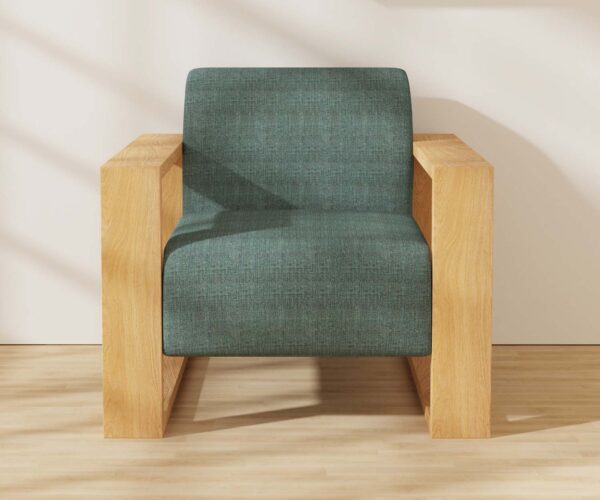
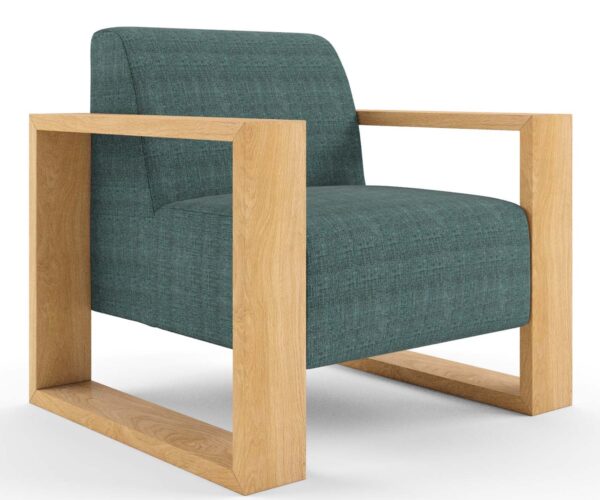
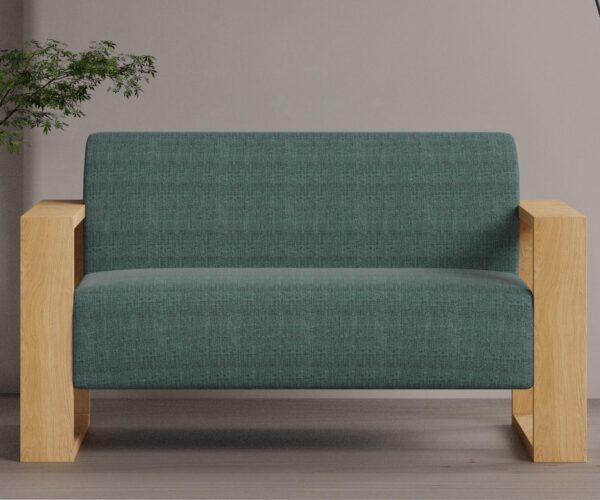
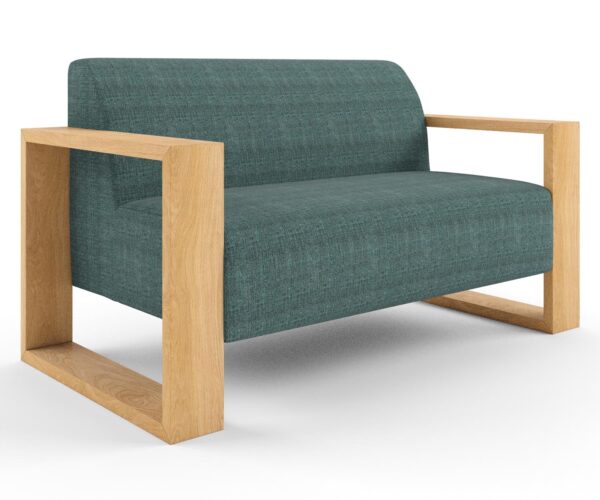
Quality Australian Made Furniture for Aged Care
Recent Updates

Why Some Aged Care Furniture Lasts 15 Years And Others Fail Within 3
Walk through enough aged care facilities and you’ll start to notice a pattern.
Some aged care furniture still looks solid and comfortable years after installation. Chairs feel stable. Upholstery holds its shape. Residents continue using the same lounge areas day after day without issue.
In other places, the opposite happens. Seat cushions collapse. Arms loosen. Upholstery starts looking tired far earlier than expected. Suddenly furniture that was purchased only a few years ago is already being repaired or replaced.
This difference isn’t random.
In most cases, furniture either performs well for the long term because it was designed and specified correctly from the start of an aged care furniture project — or it struggles because it wasn’t built for the reality of aged care environments.
Over the years, we’ve seen a few key factors that almost always determine whether furniture becomes a reliable long-term asset or an ongoing problem.
Furniture in Aged Care Works Much Harder Than People Realise
In many commercial settings, furniture is used intermittently throughout the day. In aged care, it’s constant.
Residents rely on chairs to help them stand. Staff move furniture to assist with care. Cleaning teams disinfect surfaces repeatedly. Lounges, dining areas and common spaces are used from early morning through to late evening.
All of that activity places real pressure on furniture.
Pieces that perform well over time are usually designed specifically with this environment in mind — not simply adapted from residential products.
The Frame Is the Foundation
If a chair or lounge is going to last more than a decade, the frame needs to be strong enough to handle years of daily use.
Unfortunately, frame construction is one of the most overlooked aspects of furniture procurement because it’s hidden beneath upholstery.
In furniture that fails early, we often see:
- lightweight frames designed for residential use
- basic joints held together with staples or screws
- minimal reinforcement around arms and seat bases
Over time, those weak points start to show.
By contrast, long-lasting aged care furniture typically uses:
- solid hardwood frames
- reinforced joints
- additional structural support in high-stress areas
These internal differences are invisible on day one — but they make a significant difference over the next ten years.
Seat Foam Makes a Bigger Difference Than You Might Expect
When new furniture arrives, almost every chair feels comfortable.
The real test comes after years of use.
Lower-density foams tend to compress quickly under constant pressure. Once that happens, the chair becomes harder for residents to get out of and the furniture begins to look tired.
Higher-quality aged care seating often includes:
- commercial-grade high-density foam
- layered cushioning designed to retain shape
- reinforced seat platforms
These choices help maintain both comfort and appearance long after installation.
Upholstery Needs to Work With the Environment
Aged care environments demand far more from upholstery than most commercial settings.
Furniture is cleaned frequently. Surfaces need to withstand disinfectants. Spills and accidents are inevitable.
When fabrics aren’t chosen with these realities in mind, wear can appear surprisingly quickly.
For that reason, many facilities select upholstery designed specifically for healthcare environments, where durability and cleanability are essential.
Common considerations include:
- abrasion resistance
- ease of cleaning
- moisture protection
- colour longevity
Choosing the right upholstery doesn’t just improve durability — it can also make daily maintenance easier for staff.
The Best Furniture Can Be Maintained Over Time
Furniture that lasts fifteen years usually isn’t untouched for that entire time.
Small repairs and maintenance often happen along the way. What makes the difference is whether the furniture has been designed with this in mind.
Well-considered pieces often allow for:
- removable cushions
- replaceable upholstery panels
- repairable frames
This means furniture can be refreshed rather than replaced when wear eventually appears.
Design That Supports Residents Also Protects Furniture
Furniture in aged care has an important role to play in supporting mobility and independence.
Chairs that are difficult for residents to stand from tend to experience far more stress as people push on arms or lean heavily for support.
Over time, that pressure can weaken joints and frames.
Furniture that performs well typically considers:
- appropriate seat height
- firm supportive cushioning
- strong armrests
- stable construction
When furniture supports residents properly, it also tends to last longer.
The Procurement Stage Is Where Longevity Is Decided
One of the biggest surprises for many facilities is that the lifespan of furniture is often determined long before it arrives on site.
Decisions made during specification and procurement shape how well furniture performs for years to come.
Helpful questions to ask during the selection process might include:
- Is the furniture designed specifically for aged care environments?
- What type of frame construction is used?
- What density foam is specified?
- How suitable is the upholstery for healthcare cleaning regimes?
- Can components be repaired or replaced if needed?
Exploring these details early often prevents problems later.
When Furniture Fails Early, the Impact Adds Up
Replacing furniture sooner than expected rarely affects just one area of the facility.
It can create:
- unexpected capital expenditure
- operational disruption
- additional maintenance workload
- frustration for staff and residents
When furniture performs well, on the other hand, it quietly supports daily life without drawing attention to itself.
A Final Thought
In aged care environments, furniture is one of the most heavily used assets in the building. Residents rely on it every day, and staff depend on it to support safe care.
When furniture lasts fifteen years, it’s rarely because of luck.
It’s usually the result of thoughtful decisions about design, materials and procurement made long before the furniture ever arrives on site.
For facilities planning upgrades or new projects, taking the time to understand these factors can make the difference between furniture that quietly supports your environment for years — and furniture that becomes a problem far sooner than expected.
Frequently Asked Questions About Aged Care Furniture
1. How long should furniture last in an aged care facility?
Well-built aged care furniture can typically last 10–15 years or more when it is designed specifically for healthcare environments and properly maintained. Furniture designed for residential use may begin showing structural or upholstery wear within 3–5 years under the heavier daily use common in aged care settings.
2. Why does some aged care furniture fail so quickly?
Early furniture failure is usually caused by one or more of the following:
-
lightweight frames designed for residential use
-
low-density seat foam that compresses quickly
-
upholstery not suited to frequent cleaning
-
weak joints or structural components
-
furniture that isn’t designed for resident mobility needs
These factors often become visible only after several years of continuous use.
3. What type of frame construction is best for aged care furniture?
Furniture that lasts longer typically uses solid hardwood frames with reinforced joints. These provide better structural support than lightweight or stapled frame construction commonly found in residential furniture.
A strong internal frame helps prevent issues such as loose arms, unstable seating or frame cracking over time.
4. What foam density should be used in aged care seating?
High-density commercial foam is generally recommended for aged care seating. Higher-density foam maintains its shape longer, provides better support for residents and reduces the risk of seats compressing or collapsing prematurely.
Low-density foam may feel comfortable initially but tends to lose shape much faster under heavy use.
5. What upholstery works best in aged care environments?
Upholstery used in aged care furniture should be selected for durability and cleanability. Common options include healthcare-grade vinyls and high-performance woven fabrics designed for commercial use.
Key considerations include:
-
abrasion resistance
-
resistance to cleaning chemicals
-
moisture protection
-
stain resistance
6. Why is seat height important in aged care chairs?
Seat height plays an important role in resident mobility and safety. Chairs with appropriate seat height allow residents to stand up more easily and reduce strain on both residents and staff.
Chairs that are too low can make standing difficult and may lead residents to place excessive pressure on armrests or frames.
7. Can aged care furniture be repaired instead of replaced?
In many cases, yes. Furniture designed with replaceable components can often be maintained over time. For example, cushions may be replaced or upholstery refreshed without needing to discard the entire piece.
This approach can significantly extend the useful life of furniture.
8. Is residential furniture suitable for aged care facilities?
Residential furniture is generally not designed for the level of daily use experienced in aged care environments. While it may appear similar initially, it often lacks the structural strength and materials required for long-term durability.
Commercial furniture designed specifically for healthcare environments usually performs much better over time.
9. What questions should procurement managers ask furniture suppliers?
When evaluating furniture suppliers, procurement teams often ask questions such as:
-
Is the furniture designed specifically for healthcare environments?
-
What materials and frame construction are used?
-
What warranty is provided?
-
Can components be repaired or replaced?
-
What upholstery options are suitable for aged care cleaning protocols?
These questions help ensure furniture is suitable for the environment.
10. How can facilities make furniture last longer?
Furniture lifespan can often be extended through a combination of:
-
selecting furniture designed for healthcare environments
-
choosing durable upholstery and materials
-
carrying out periodic maintenance or refurbishment
-
replacing worn components such as cushions when required
These steps help maintain comfort and appearance while reducing the need for full replacement.
11. What makes furniture suitable for aged care facilities?
Furniture suitable for aged care facilities is designed to support resident comfort, mobility, durability and hygiene. Key features typically include:
-
appropriate seat height to help residents stand safely
-
strong armrests for support
-
durable frame construction for long-term use
-
upholstery designed for frequent cleaning
-
stable, well-balanced design to reduce movement
Furniture designed with these features helps create environments that are both comfortable for residents and practical for staff.
12. What rooms in an aged care facility require specialised furniture?
Aged care facilities typically require purpose-designed furniture across several areas, including:
-
resident bedrooms
-
lounge and social spaces
-
dining rooms
-
quiet rooms and family areas
-
reception and waiting areas
-
outdoor spaces
-
staff rooms and administration areas
Each space places different demands on furniture in terms of durability, comfort and maintenance.
13. What is the difference between healthcare furniture and standard commercial furniture?
Healthcare furniture is designed specifically for environments where durability, safety and hygiene are critical.
Compared with standard commercial furniture, healthcare furniture typically includes:
-
stronger structural frames
-
upholstery designed for frequent cleaning
-
materials resistant to moisture and stains
-
designs that support mobility and accessibility
These features help ensure the furniture performs reliably in high-use environments such as aged care and healthcare facilities.