Aged Care Procurement Has Changed in 2026: Here’s How Your Furniture Strategy Needs to Keep Up with the New Aged Care Standards

What’s changed in 2026 and what facility managers need to do now?
The short answer is this: furniture procurement in aged care is no longer about compliance. It is about proving measurable resident outcomes.
Under the Aged Care Act 2024, which commenced in November 2025, and the Strengthened Quality Standards (1–7), procurement teams now expect evidence that every purchasing decision contributes to:
- Improved resident safety
- Better clinical outcomes
- Measurable quality of life improvements
This shift is already changing how tenders are evaluated in 2026. A specification sheet and a price are no longer enough.
According to the Australian Institute of Health and Welfare (AIHW), over 1 in 5 aged care residents experience at least one adverse event annually, including falls and pressure injuries. Furniture now plays a direct role in reducing these risks.
As the Aged Care Quality and Safety Commission states, providers must demonstrate how care and services deliver measurable outcomes for consumers.
For aged care facility managers, this means your furniture strategy must now be:
- Evidence-based
- Outcome-driven
- Aligned to each quality standard
Why furniture now directly impacts tender success
Furniture used to sit under “non-clinical procurement”. That is no longer the case.
Under Standard 5: Clinical Care, and Standard 1: The Individual, furniture directly contributes to:
- Falls prevention
- Pressure care management
- Infection control
- Independence and mobility
For example:
- A poorly specified chair increases fall risk during transfers
- Incorrect seat height contributes to loss of independence
- Non-compliant materials increase infection control risks
A 2023 report by Dementia Australia highlights that up to 70% of residents in aged care live with cognitive impairment, which makes environmental design and furniture selection critical to safety and behaviour management.
Procurement teams are now asking a different question:
“Show us how your environment improves outcomes.”
Pro Tip:
When reviewing furniture, ask your supplier:
- What clinical risks does this product reduce?
- What data or case studies support this?
- How does this align with specific quality standards?
If they cannot answer clearly, it will show in your tender.
How to align your furniture strategy with the Strengthened Quality Standards
Standard 1: The Individual
Furniture must support choice, dignity, and independence.
That means:
- Adjustable seating options
- Bariatric and mobility-inclusive designs
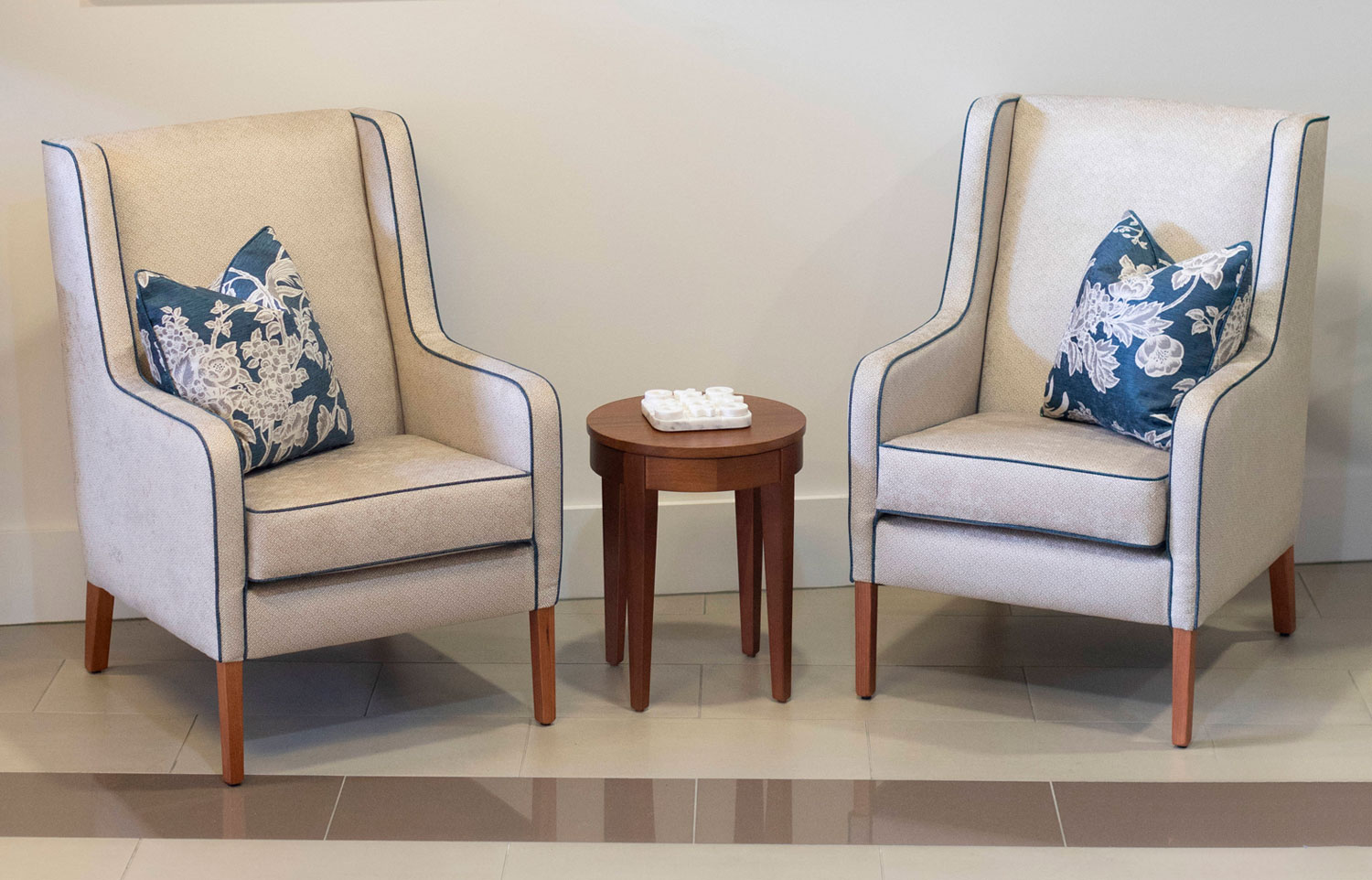
- Residential-style finishes that reduce institutional feel
Step-by-Step:
- Audit current furniture against resident mobility levels
- Identify gaps in accessibility and independence
- Introduce standardised ranges with configurable options
Pro Tip:
Document how furniture changes improve resident engagement or mobility scores. This is powerful tender evidence.
Standard 5: Clinical Care
Furniture must support safe care delivery and risk reduction.
Focus areas:
- Pressure-relieving seating
- Correct seat heights for safe transfers
- Stability and anti-tip design
Research published in the Journal of Patient Safety indicates that falls account for up to 42% of adverse events in residential care settings. Furniture specification plays a direct role in reducing this.
Step-by-Step:
- Standardise seat heights across resident cohorts
- Specify pressure-rated foam and support surfaces
- Work with clinical teams to match furniture to care plans
Pro Tip:
Track and report reductions in falls or pressure injuries linked to furniture upgrades.
Standard 6: Food and Nutrition
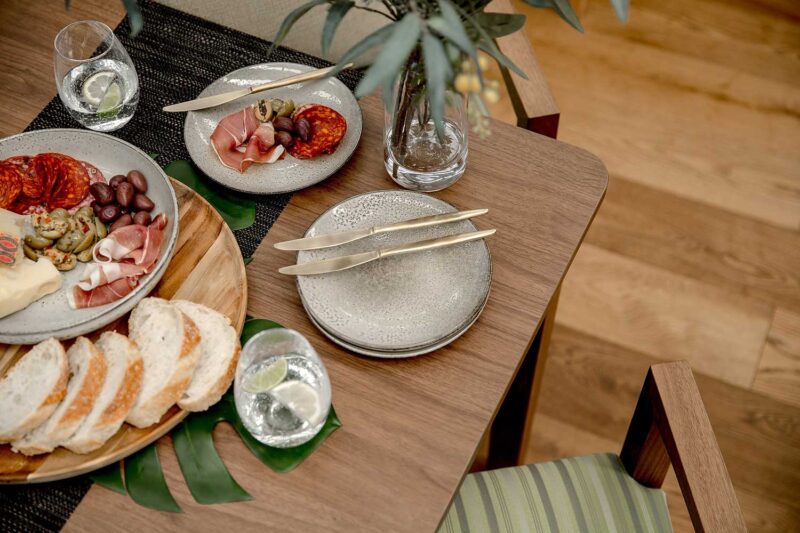
Dining is now measured by experience, not just nutrition.
Furniture impacts:
- Time spent in dining areas
- Social interaction
- Resident satisfaction
Step-by-Step:
- Replace institutional dining chairs with comfortable, supportive seating
- Ensure correct table heights for wheelchair access
- Introduce smaller dining settings to improve engagement
Pro Tip:
Run quarterly resident dining surveys and track satisfaction before and after upgrades.
The shift to evidence-based procurement: what you must include in your next tender
In 2026, procurement teams expect data. Not opinions.
Your furniture strategy should include:
1. Quality Indicator Trends
- Falls rates
- Pressure injury prevalence
- Resident mobility improvements
2. Benchmarking
Compare your outcomes to industry averages. Highlight where you sit in the top 10%.
3. Case Studies
Show before-and-after results:
- Reduced falls after seating upgrades
- Improved dining participation
- Increased resident independence
4. Real-Time Reporting
Digital tracking of:
- Maintenance
- Usage
- Clinical outcomes linked to environment
According to KPMG analysis, “intelligent procurement” using advanced analytics and data-driven insights enables providers to identify significant savings and streamline operations. Under the Aged Care Act 2024 and Strengthened Quality Standards, procurement is shifting toward evidence-based strategies that demonstrate improved resident safety and quality-of-life outcomes.
Pro Tip:
Create a Furniture Outcomes Register that tracks:
- Product type
- Clinical intent
- Measurable outcome
- Review date
This becomes a powerful tool in every tender submission.
What procurement teams are really looking for now
Based on current tender evaluations, procurement teams want:
- Clear link between furniture and resident outcomes
- Evidence of continuous improvement
- Integration between operations and executive reporting
- Transparency and real-time data
They are also assessing your understanding of:
- Registered supporter engagement
- Communication systems
- Access to care plans and environments
Your furniture supplier should not just manufacture products. They should help you:
- Interpret the standards
- Provide documentation
- Support your tender responses
Pro Tip:
Selecting suppliers focused on product suitability ensures compliance with the Strengthened Quality Standards through technical specifications and expert consultations. Choosing partners who prioritize functional needs over mere pricing helps procurement teams meet 2026 requirements.
A new opportunity for providers who get this right
These changes are strict, but they create a clear advantage.
Providers who can prove outcomes with data and demonstrate alignment with the standards will:
- Win more tenders
- Reduce clinical risk
- Improve resident satisfaction
Furniture is no longer a background decision. It is now a visible contributor to care quality.
FAQ: Aged Care Procurement and Furniture in 2026
What are the biggest changes to aged care procurement in 2026?
Procurement has shifted from compliance-based to outcomes-based evaluation. Providers must show measurable improvements in resident care, not just policies or intent.
How does furniture impact aged care quality standards?
Furniture directly affects:
- Falls prevention
- Pressure care
- Infection control
- Resident independence and dignity
It now plays a measurable role in meeting Standards 1, 5 and 6.
What evidence do I need to include in a tender?
You need:
- Data on clinical outcomes
- Benchmarking against industry averages
- Case studies with measurable results
- Real-time reporting capabilities
What is a simple first step to improve our furniture strategy?
Start with a facility-wide furniture audit:
- Assess risk areas
- Align products to resident needs
- Document gaps against the standards
How do I choose the right furniture supplier in 2026?
Look for a partner who can:
- Link products to clinical outcomes
- Provide evidence and documentation
- Support your procurement and tender process
If your current approach to furniture procurement is still based on compliance and cost, you are already behind. The providers who adapt now will be the ones setting the benchmark in 2026 and beyond.
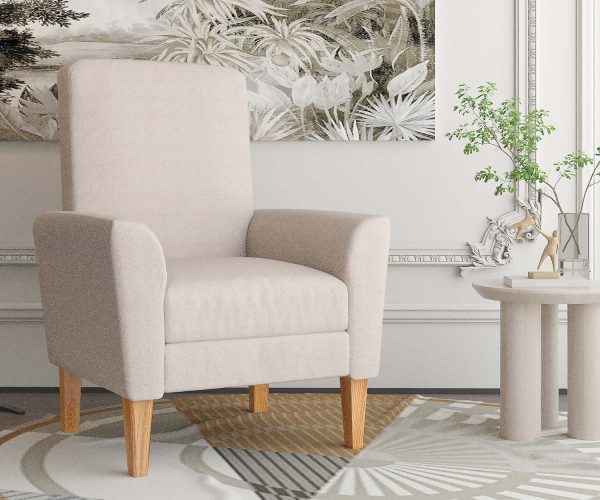
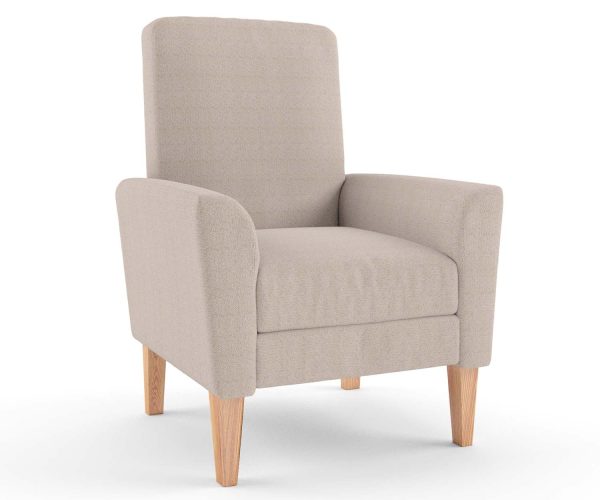
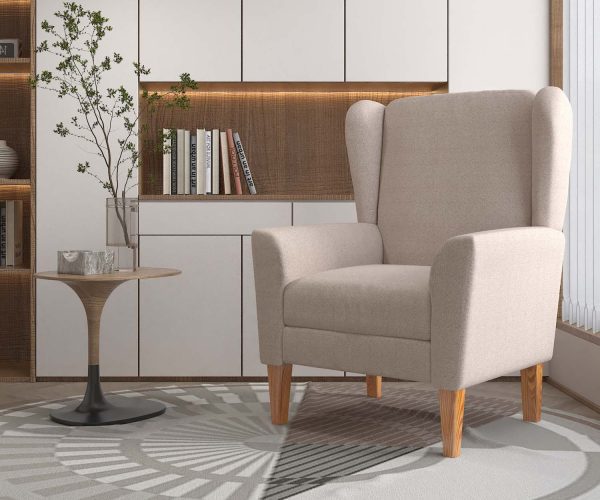
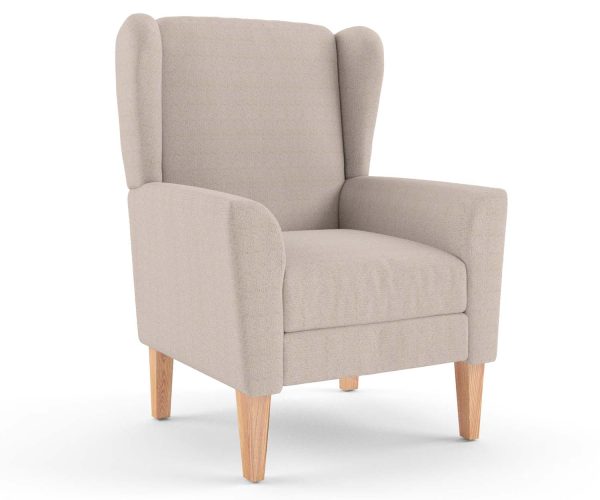
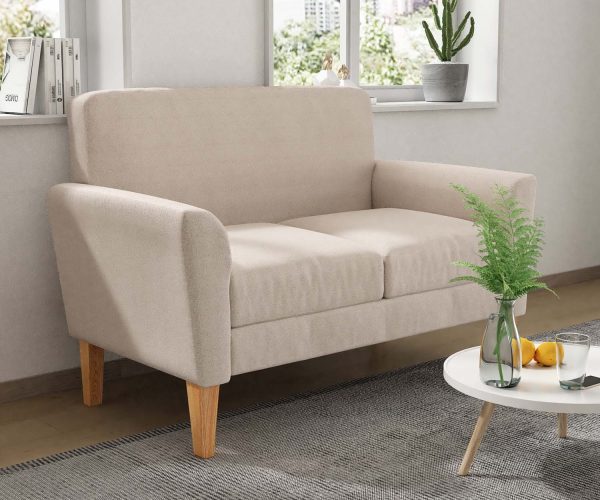
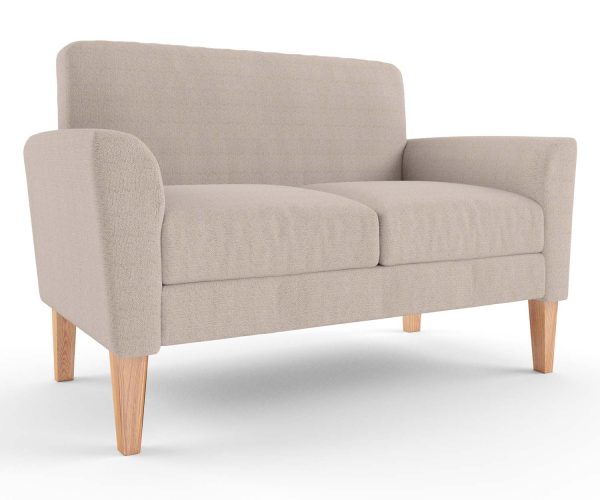
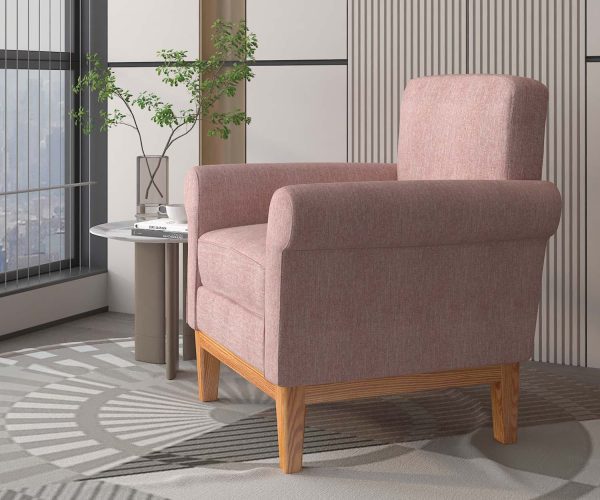
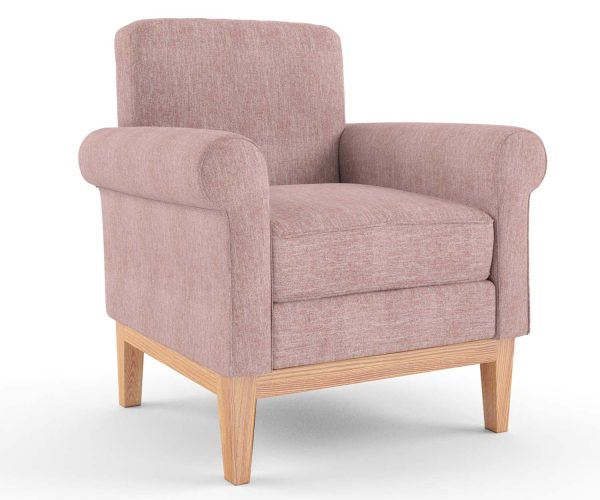
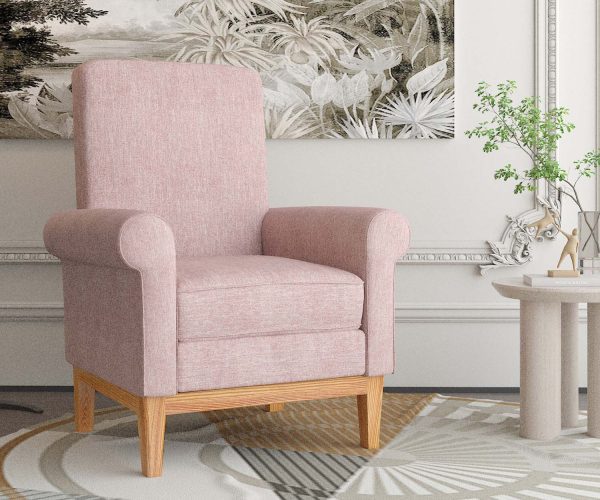
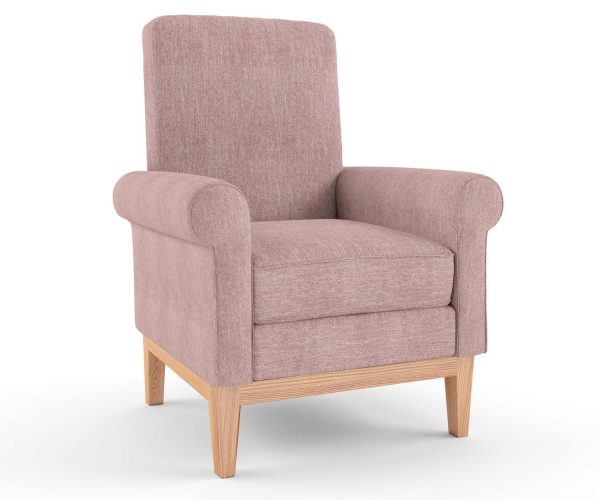
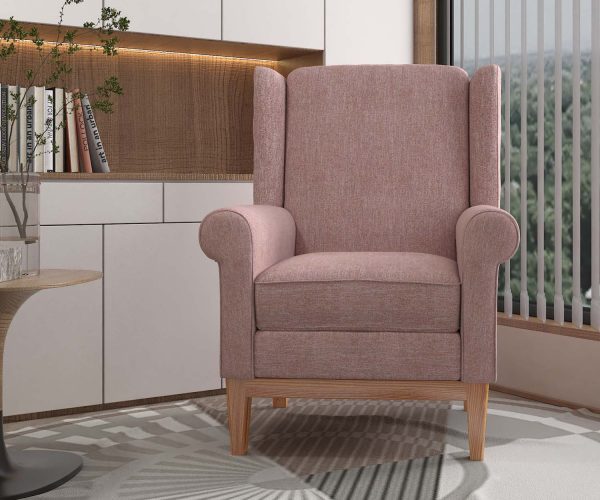
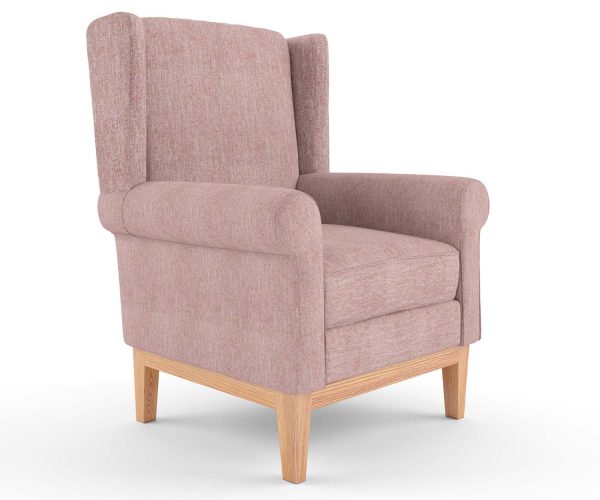
Fit-For-Purpose Australian Made Aged Care Furniture
Recent Updates


Aged Care Procurement Has Changed in 2026: Here’s How Your Furniture Strategy Needs to Keep Up with the New Aged Care Standards
What’s changed in 2026 and what facility managers need to do now?
The short answer is this: furniture procurement in aged care is no longer about compliance. It is about proving measurable resident outcomes.
Under the Aged Care Act 2024, which commenced in November 2025, and the Strengthened Quality Standards (1–7), procurement teams now expect evidence that every purchasing decision contributes to:
- Improved resident safety
- Better clinical outcomes
- Measurable quality of life improvements
This shift is already changing how tenders are evaluated in 2026. A specification sheet and a price are no longer enough.
According to the Australian Institute of Health and Welfare (AIHW), over 1 in 5 aged care residents experience at least one adverse event annually, including falls and pressure injuries. Furniture now plays a direct role in reducing these risks.
As the Aged Care Quality and Safety Commission states, providers must demonstrate how care and services deliver measurable outcomes for consumers.
For aged care facility managers, this means your furniture strategy must now be:
- Evidence-based
- Outcome-driven
- Aligned to each quality standard
Why furniture now directly impacts tender success
Furniture used to sit under “non-clinical procurement”. That is no longer the case.
Under Standard 5: Clinical Care, and Standard 1: The Individual, furniture directly contributes to:
- Falls prevention
- Pressure care management
- Infection control
- Independence and mobility
For example:
- A poorly specified chair increases fall risk during transfers
- Incorrect seat height contributes to loss of independence
- Non-compliant materials increase infection control risks
A 2023 report by Dementia Australia highlights that up to 70% of residents in aged care live with cognitive impairment, which makes environmental design and furniture selection critical to safety and behaviour management.
Procurement teams are now asking a different question:
“Show us how your environment improves outcomes.”
Pro Tip:
When reviewing furniture, ask your supplier:
- What clinical risks does this product reduce?
- What data or case studies support this?
- How does this align with specific quality standards?
If they cannot answer clearly, it will show in your tender.
How to align your furniture strategy with the Strengthened Quality Standards
Standard 1: The Individual
Furniture must support choice, dignity, and independence.
That means:
- Adjustable seating options
- Bariatric and mobility-inclusive designs
- Residential-style finishes that reduce institutional feel
Step-by-Step:
- Audit current furniture against resident mobility levels
- Identify gaps in accessibility and independence
- Introduce standardised ranges with configurable options
Pro Tip:
Document how furniture changes improve resident engagement or mobility scores. This is powerful tender evidence.
Standard 5: Clinical Care
Furniture must support safe care delivery and risk reduction.
Focus areas:
- Pressure-relieving seating
- Correct seat heights for safe transfers
- Stability and anti-tip design
Research published in the Journal of Patient Safety indicates that falls account for up to 42% of adverse events in residential care settings. Furniture specification plays a direct role in reducing this.
Step-by-Step:
- Standardise seat heights across resident cohorts
- Specify pressure-rated foam and support surfaces
- Work with clinical teams to match furniture to care plans
Pro Tip:
Track and report reductions in falls or pressure injuries linked to furniture upgrades.
Standard 6: Food and Nutrition
Dining is now measured by experience, not just nutrition.
Furniture impacts:
- Time spent in dining areas
- Social interaction
- Resident satisfaction
Step-by-Step:
- Replace institutional dining chairs with comfortable, supportive seating
- Ensure correct table heights for wheelchair access
- Introduce smaller dining settings to improve engagement
Pro Tip:
Run quarterly resident dining surveys and track satisfaction before and after upgrades.
The shift to evidence-based procurement: what you must include in your next tender
In 2026, procurement teams expect data. Not opinions.
Your furniture strategy should include:
1. Quality Indicator Trends
- Falls rates
- Pressure injury prevalence
- Resident mobility improvements
2. Benchmarking
Compare your outcomes to industry averages. Highlight where you sit in the top 10%.
3. Case Studies
Show before-and-after results:
- Reduced falls after seating upgrades
- Improved dining participation
- Increased resident independence
4. Real-Time Reporting
Digital tracking of:
- Maintenance
- Usage
- Clinical outcomes linked to environment
According to KPMG analysis, “intelligent procurement” using advanced analytics and data-driven insights enables providers to identify significant savings and streamline operations. Under the Aged Care Act 2024 and Strengthened Quality Standards, procurement is shifting toward evidence-based strategies that demonstrate improved resident safety and quality-of-life outcomes.
Pro Tip:
Create a Furniture Outcomes Register that tracks:
- Product type
- Clinical intent
- Measurable outcome
- Review date
This becomes a powerful tool in every tender submission.
What procurement teams are really looking for now
Based on current tender evaluations, procurement teams want:
- Clear link between furniture and resident outcomes
- Evidence of continuous improvement
- Integration between operations and executive reporting
- Transparency and real-time data
They are also assessing your understanding of:
- Registered supporter engagement
- Communication systems
- Access to care plans and environments
Your furniture supplier should not just manufacture products. They should help you:
- Interpret the standards
- Provide documentation
- Support your tender responses
Pro Tip:
Selecting suppliers focused on product suitability ensures compliance with the Strengthened Quality Standards through technical specifications and expert consultations. Choosing partners who prioritize functional needs over mere pricing helps procurement teams meet 2026 requirements.
A new opportunity for providers who get this right
These changes are strict, but they create a clear advantage.
Providers who can prove outcomes with data and demonstrate alignment with the standards will:
- Win more tenders
- Reduce clinical risk
- Improve resident satisfaction
Furniture is no longer a background decision. It is now a visible contributor to care quality.
FAQ: Aged Care Procurement and Furniture in 2026
What are the biggest changes to aged care procurement in 2026?
Procurement has shifted from compliance-based to outcomes-based evaluation. Providers must show measurable improvements in resident care, not just policies or intent.
How does furniture impact aged care quality standards?
Furniture directly affects:
- Falls prevention
- Pressure care
- Infection control
- Resident independence and dignity
It now plays a measurable role in meeting Standards 1, 5 and 6.
What evidence do I need to include in a tender?
You need:
- Data on clinical outcomes
- Benchmarking against industry averages
- Case studies with measurable results
- Real-time reporting capabilities
What is a simple first step to improve our furniture strategy?
Start with a facility-wide furniture audit:
- Assess risk areas
- Align products to resident needs
- Document gaps against the standards
How do I choose the right furniture supplier in 2026?
Look for a partner who can:
- Link products to clinical outcomes
- Provide evidence and documentation
- Support your procurement and tender process
If your current approach to furniture procurement is still based on compliance and cost, you are already behind. The providers who adapt now will be the ones setting the benchmark in 2026 and beyond.