How Aged Care Furniture Projects Get Approved (and Why Most Don’t)
If you’ve ever tried to get a furniture project approved in aged care, you already know this truth:
good furniture ideas don’t get knocked back — unclear, poorly justified ones do.
Under the new Aged Care Act, the bar has been raised. Decisions must be defensible, resident-focused, value-driven, and clearly aligned with quality standards and governance obligations. That means furniture projects now live in the same approval ecosystem as clinical upgrades, staffing models, and compliance initiatives.
I see furniture projects approved quickly and smoothly every year — and I also see plenty stall, shrink, or quietly disappear.
Here’s how approvals actually work in Australian aged care today, why most furniture projects fail, and what you can do to dramatically improve your success rate.
First: Who Really Approves Aged Care Furniture?
On paper, approval might sit with one person. In reality, it’s usually a chain of confidence.
Most furniture projects must satisfy:
-
Facility Manager
-
Operations / Asset Manager
-
Finance
-
Executive or Board
-
Sometimes Clinical Governance or Quality teams
Each group is asking a different question.
Projects fail when the submission answers only one of them.
The 5 Questions Every Approved Furniture Project Answers
1. “How does this support residents under the new Aged Care Act?”
This is now non-negotiable.
Furniture must clearly support:
-
Dignity, independence, and choice
-
Social connection and community
-
Safe movement and daily living
-
A homelike, non-institutional environment
Actionable tip:
Frame your project using resident outcomes, not products.
Instead of:
“We need new dining chairs.”
Try:
“Current dining chairs no longer support safe transfers, resident comfort, or social engagement, which impacts mealtime experience and dignity.”
That language aligns with the intent of the Act, not just procurement.
2. “Is this a risk reduction or a risk creation?”
Executives and Boards think in risk.
They want to know:
-
Will this reduce manual handling risk?
-
Does it lower WHS incidents?
-
Will it reduce complaints or incidents?
-
Is the furniture compliant and fit-for-purpose?
Actionable tip:
Always include a short risk statement, even for small projects:
-
Stability
-
Infection control
-
Weight ratings
-
Maintenance and cleaning
-
Replacement cycles
Approved projects often succeed because they remove risk, not because they look nice.
3. “Is this good value — not just low cost?”
This is where many projects fall over.
Under scrutiny, “cheapest option” often becomes:
-
Short lifespan
-
Frequent replacement
-
Higher maintenance costs
-
Poor resident outcomes
Actionable tip:
Position value over time:
-
Expected lifespan
-
Warranty
-
Repairability
-
Local manufacturing and lead time certainty
A simple line like:
“This option has a higher upfront cost but a longer replacement cycle and lower total cost of ownership.”
…goes a long way with finance teams.
4. “Is this scoped properly, or will it blow out later?”
Unclear scope is a red flag.
Approvers worry about:
-
Missing items
-
Inconsistent finishes
-
Staged purchases increasing costs
-
Disruption to residents during installation
Actionable tip:
Before submission, confirm:
-
Exact quantities
-
Rooms and spaces included
-
Finishes locked in
-
Installation plan
-
Timeline
Furniture projects that get approved quickly feel finished, not “still being worked out”.
5. “Does this align with our broader strategy?”
This is the silent approval killer.
Even good projects fail if they feel disconnected from:
-
Accreditation outcomes
-
Refurbishment cycles
-
Occupancy strategy
-
Reputation and market positioning
Actionable tip:
Link your furniture project to something leadership already cares about:
-
Improving resident experience scores
-
Supporting premium accommodation
-
Refreshing tired common areas
-
Preparing for audits or reaccreditation
Furniture becomes easier to approve when it’s part of a story, not a standalone request.
Why Most Aged Care Furniture Projects Don’t Get Approved
In my experience, projects fail approval because they:
-
Focus on furniture, not outcomes
-
Don’t reference the Aged Care Act or quality expectations
-
Look like discretionary spending instead of operational need
-
Are rushed or under-scoped
-
Don’t anticipate finance or board questions
It’s rarely because the furniture is wrong.
It’s because the case wasn’t made clearly enough.
A Simple Approval Checklist You Can Use Tomorrow
Before submitting your next furniture project, ask yourself:
-
Can I clearly explain how this benefits residents?
-
Have I addressed safety, risk, and compliance?
-
Can I defend the value, not just the price?
-
Is the scope complete and clear?
-
Does this align with our broader goals?
If you can confidently answer yes to all five, your approval odds increase significantly.
Final Thought: Furniture Is No Longer “Just Furniture”
Under the new Aged Care Act, furniture is part of:
-
Resident dignity
-
Daily living experience
-
Risk management
-
Governance and accountability
The facilities that get projects approved aren’t asking for furniture —
they’re presenting well-reasoned, resident-focused improvements.
And that’s exactly what decision-makers want to say yes to.
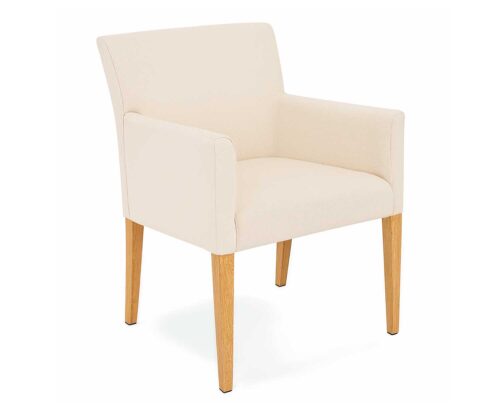
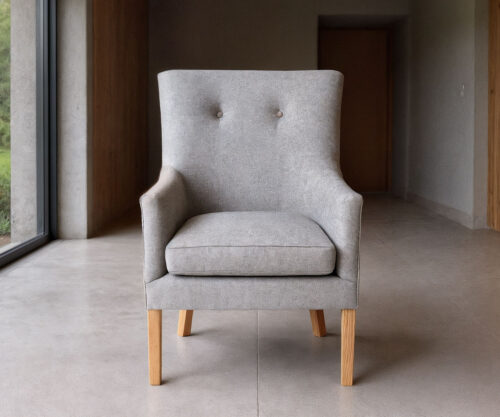
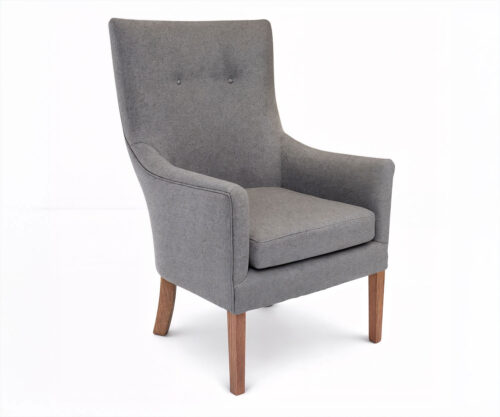
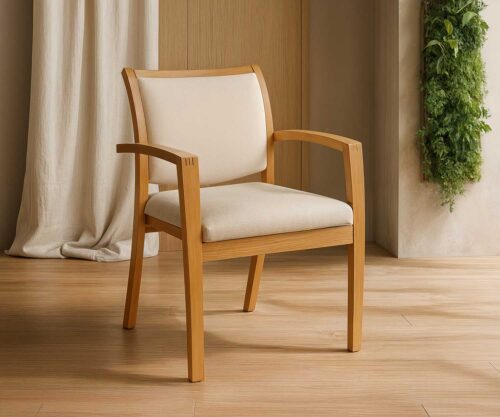
Custom Furniture for Aged Care Facilities

Recent Updates



How Aged Care Furniture Projects Get Approved (and Why Most Don’t)
If you’ve ever tried to get a furniture project approved in aged care, you already know this truth:
good furniture ideas don’t get knocked back — unclear, poorly justified ones do.
Under the new Aged Care Act, the bar has been raised. Decisions must be defensible, resident-focused, value-driven, and clearly aligned with quality standards and governance obligations. That means furniture projects now live in the same approval ecosystem as clinical upgrades, staffing models, and compliance initiatives.
I see furniture projects approved quickly and smoothly every year — and I also see plenty stall, shrink, or quietly disappear.
Here’s how approvals actually work in Australian aged care today, why most furniture projects fail, and what you can do to dramatically improve your success rate.
First: Who Really Approves Aged Care Furniture?
On paper, approval might sit with one person. In reality, it’s usually a chain of confidence.
Most furniture projects must satisfy:
-
Facility Manager
-
Operations / Asset Manager
-
Finance
-
Executive or Board
-
Sometimes Clinical Governance or Quality teams
Each group is asking a different question.
Projects fail when the submission answers only one of them.
The 5 Questions Every Approved Furniture Project Answers
1. “How does this support residents under the new Aged Care Act?”
This is now non-negotiable.
Furniture must clearly support:
-
Dignity, independence, and choice
-
Social connection and community
-
Safe movement and daily living
-
A homelike, non-institutional environment
Actionable tip:
Frame your project using resident outcomes, not products.
Instead of:
“We need new dining chairs.”
Try:
“Current dining chairs no longer support safe transfers, resident comfort, or social engagement, which impacts mealtime experience and dignity.”
That language aligns with the intent of the Act, not just procurement.
2. “Is this a risk reduction or a risk creation?”
Executives and Boards think in risk.
They want to know:
-
Will this reduce manual handling risk?
-
Does it lower WHS incidents?
-
Will it reduce complaints or incidents?
-
Is the furniture compliant and fit-for-purpose?
Actionable tip:
Always include a short risk statement, even for small projects:
-
Stability
-
Infection control
-
Weight ratings
-
Maintenance and cleaning
-
Replacement cycles
Approved projects often succeed because they remove risk, not because they look nice.
3. “Is this good value — not just low cost?”
This is where many projects fall over.
Under scrutiny, “cheapest option” often becomes:
-
Short lifespan
-
Frequent replacement
-
Higher maintenance costs
-
Poor resident outcomes
Actionable tip:
Position value over time:
-
Expected lifespan
-
Warranty
-
Repairability
-
Local manufacturing and lead time certainty
A simple line like:
“This option has a higher upfront cost but a longer replacement cycle and lower total cost of ownership.”
…goes a long way with finance teams.
4. “Is this scoped properly, or will it blow out later?”
Unclear scope is a red flag.
Approvers worry about:
-
Missing items
-
Inconsistent finishes
-
Staged purchases increasing costs
-
Disruption to residents during installation
Actionable tip:
Before submission, confirm:
-
Exact quantities
-
Rooms and spaces included
-
Finishes locked in
-
Installation plan
-
Timeline
Furniture projects that get approved quickly feel finished, not “still being worked out”.
5. “Does this align with our broader strategy?”
This is the silent approval killer.
Even good projects fail if they feel disconnected from:
-
Accreditation outcomes
-
Refurbishment cycles
-
Occupancy strategy
-
Reputation and market positioning
Actionable tip:
Link your furniture project to something leadership already cares about:
-
Improving resident experience scores
-
Supporting premium accommodation
-
Refreshing tired common areas
-
Preparing for audits or reaccreditation
Furniture becomes easier to approve when it’s part of a story, not a standalone request.
Why Most Aged Care Furniture Projects Don’t Get Approved
In my experience, projects fail approval because they:
-
Focus on furniture, not outcomes
-
Don’t reference the Aged Care Act or quality expectations
-
Look like discretionary spending instead of operational need
-
Are rushed or under-scoped
-
Don’t anticipate finance or board questions
It’s rarely because the furniture is wrong.
It’s because the case wasn’t made clearly enough.
A Simple Approval Checklist You Can Use Tomorrow
Before submitting your next furniture project, ask yourself:
-
Can I clearly explain how this benefits residents?
-
Have I addressed safety, risk, and compliance?
-
Can I defend the value, not just the price?
-
Is the scope complete and clear?
-
Does this align with our broader goals?
If you can confidently answer yes to all five, your approval odds increase significantly.
Final Thought: Furniture Is No Longer “Just Furniture”
Under the new Aged Care Act, furniture is part of:
-
Resident dignity
-
Daily living experience
-
Risk management
-
Governance and accountability
The facilities that get projects approved aren’t asking for furniture —
they’re presenting well-reasoned, resident-focused improvements.
And that’s exactly what decision-makers want to say yes to.