[Aged Care Quality Standards] We Asked Residents What Makes Furniture ‘Feel Like Home’ — Here’s What They Told Us
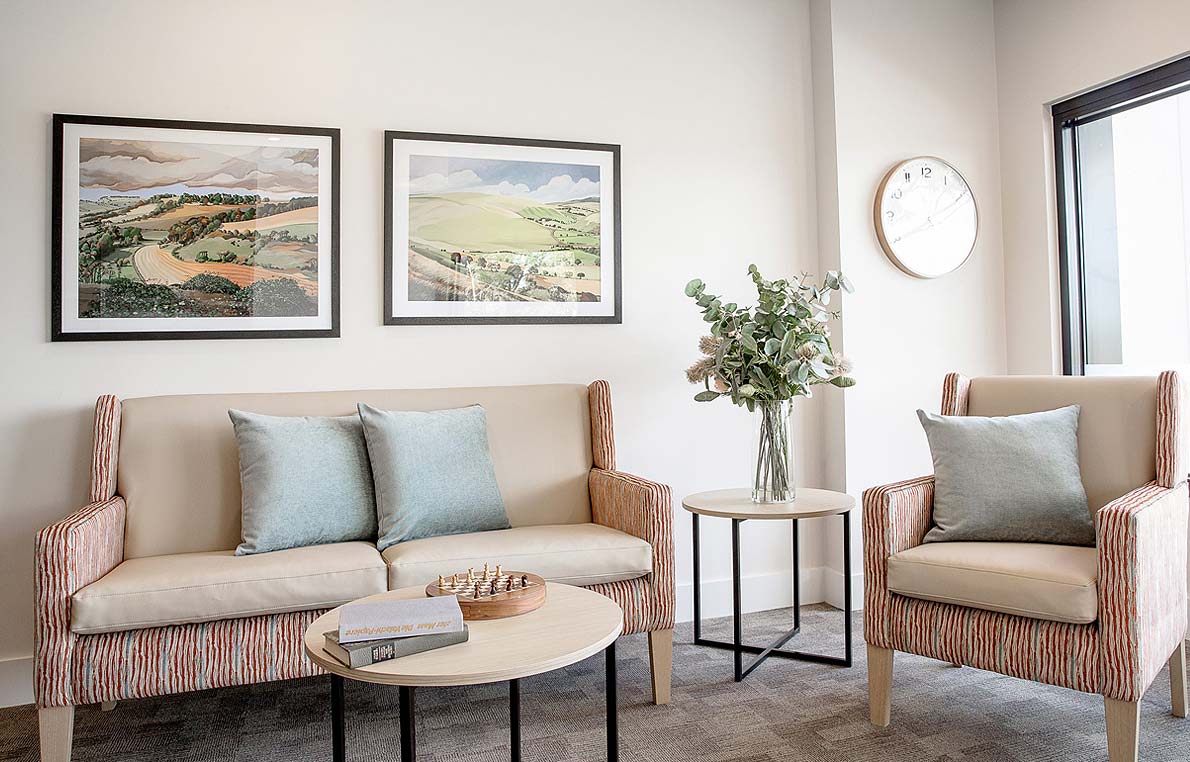
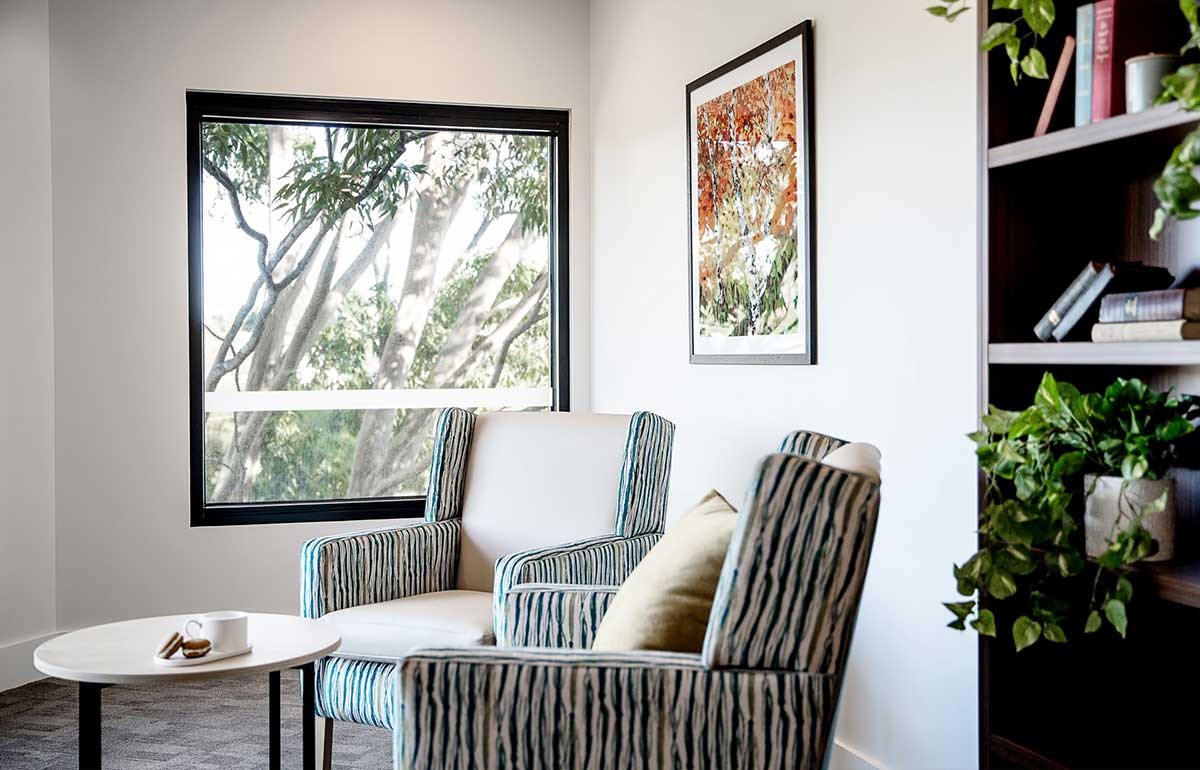
Creating a truly homely environment in aged care and retirement living isn’t about choosing a “nice” aged care chair chair or coordinating colours. In Australia, the concept of “homely” is embedded in several Aged Care Quality Standards — particularly Standard 1: The Individual, Standard 4: The Environment, and Standard 7: The Residential Community. These standards place strong emphasis on dignity, personal preference, identity, and a genuine sense of belonging.
When we asked aged care residents what makes furniture feel like home, their answers mirrored those expectations. They highlighted comfort, familiarity, independence, and the emotional cues that help them feel like themselves in their living environment. If you are an Aged Care Facility Manager or Retirement Village Manager, the insights below offer practical steps to meet resident expectations while strengthening your alignment with the Quality Standards.
The Little Details Residents Notice Immediately
Residents are highly perceptive. They recognise details that are often overlooked during procurement.
1. Furniture That Looks Like It Belongs in a Home — Not a Hospital
Many residents shared the same sentiment: “I don’t want to feel like I’m in a medical ward.”
This aligns strongly with Standard 4, which emphasises environments that are welcoming and supportive. Consider:
-
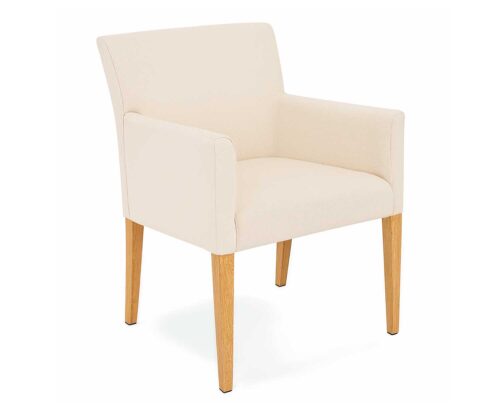
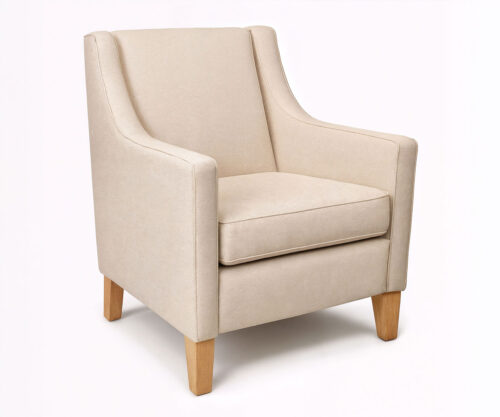
Softer silhouettes instead of sharp, clinical lines
-
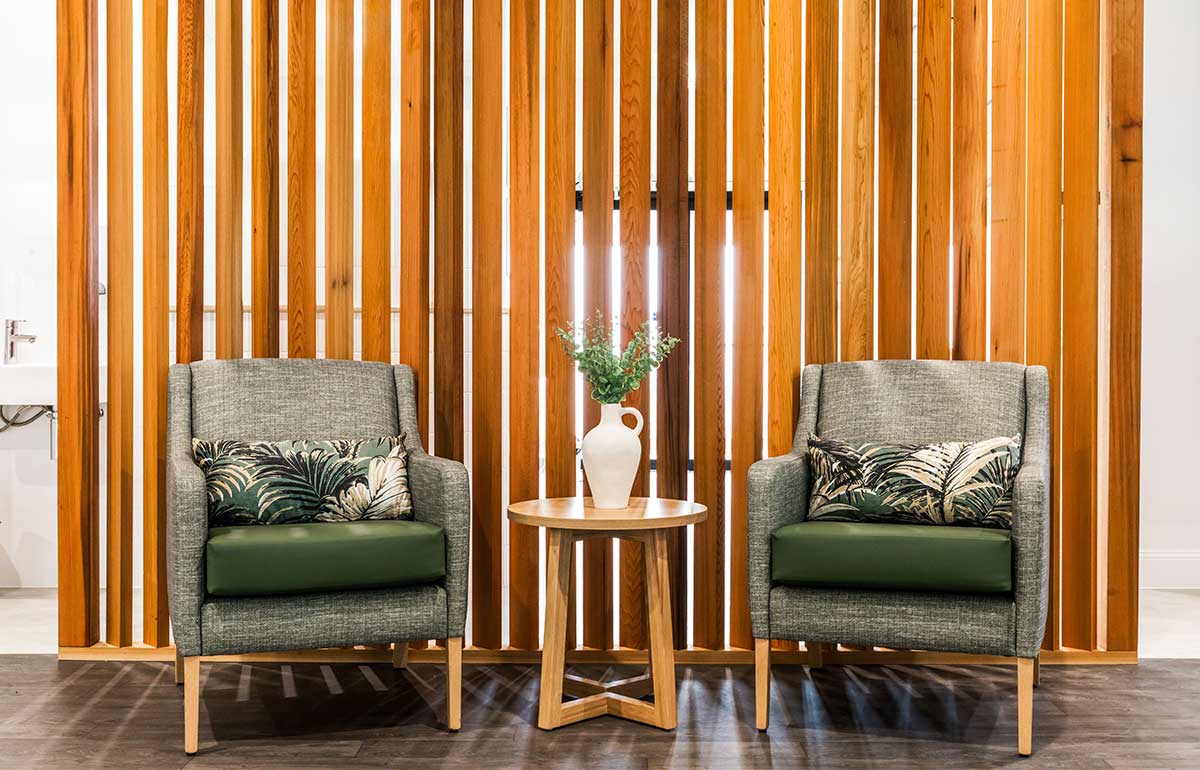
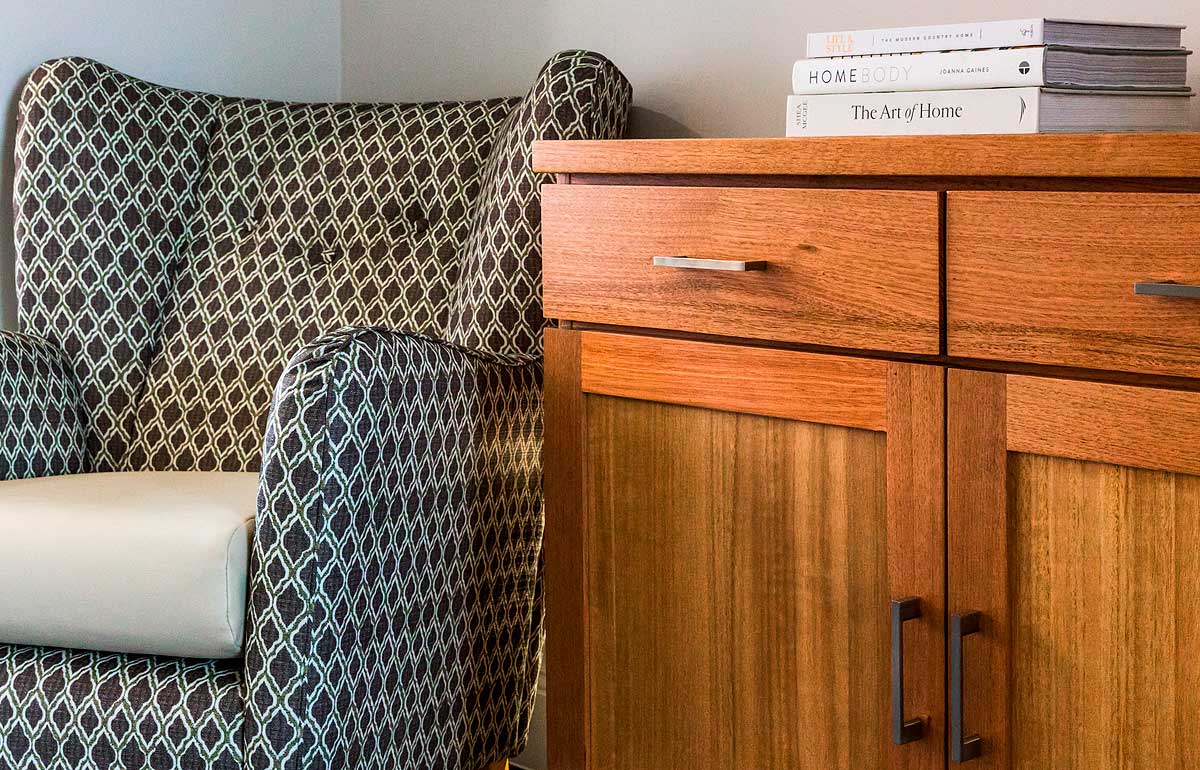
Warm timber tones over cold metal finishes
-
Fabrics with natural textures rather than glossy surfaces
With the right commercial fabrics, you can support infection control without losing the feeling of home.
2. Colours That Feel Familiar
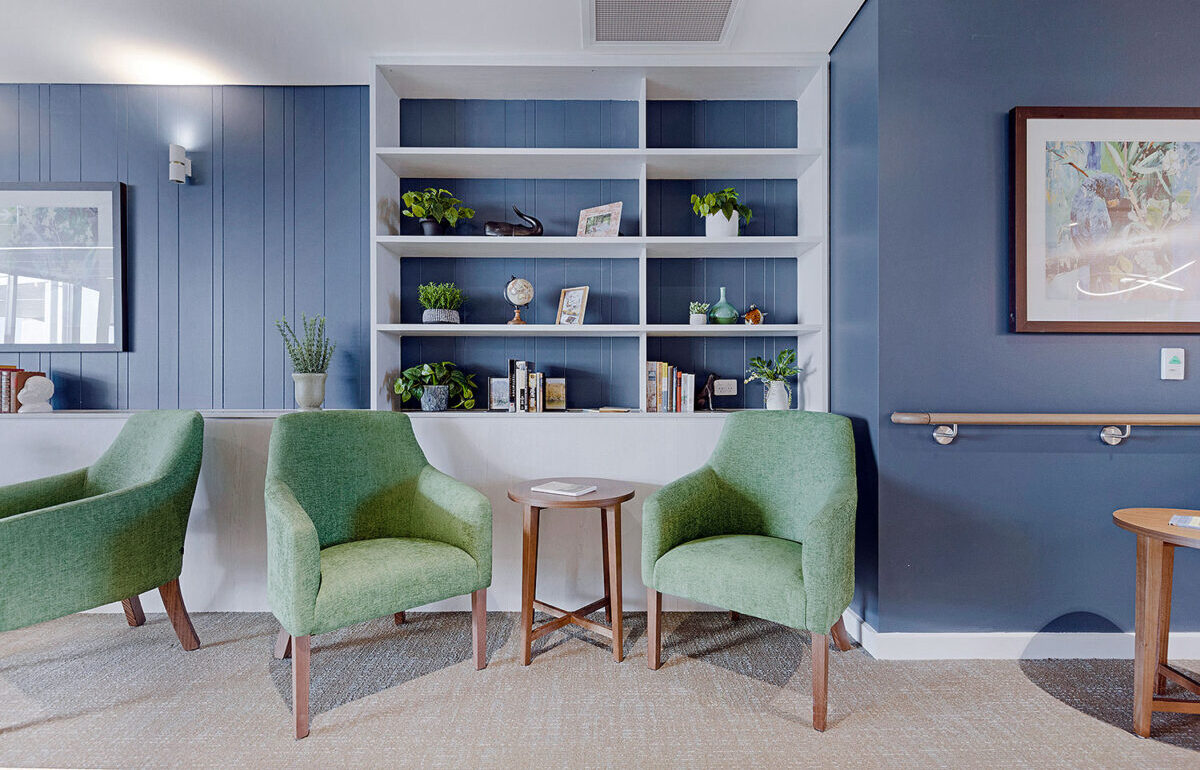
A homely environment is often tied to familiarity, a key component of Standard 1. Residents respond positively to colour palettes that reflect their past homes:
-
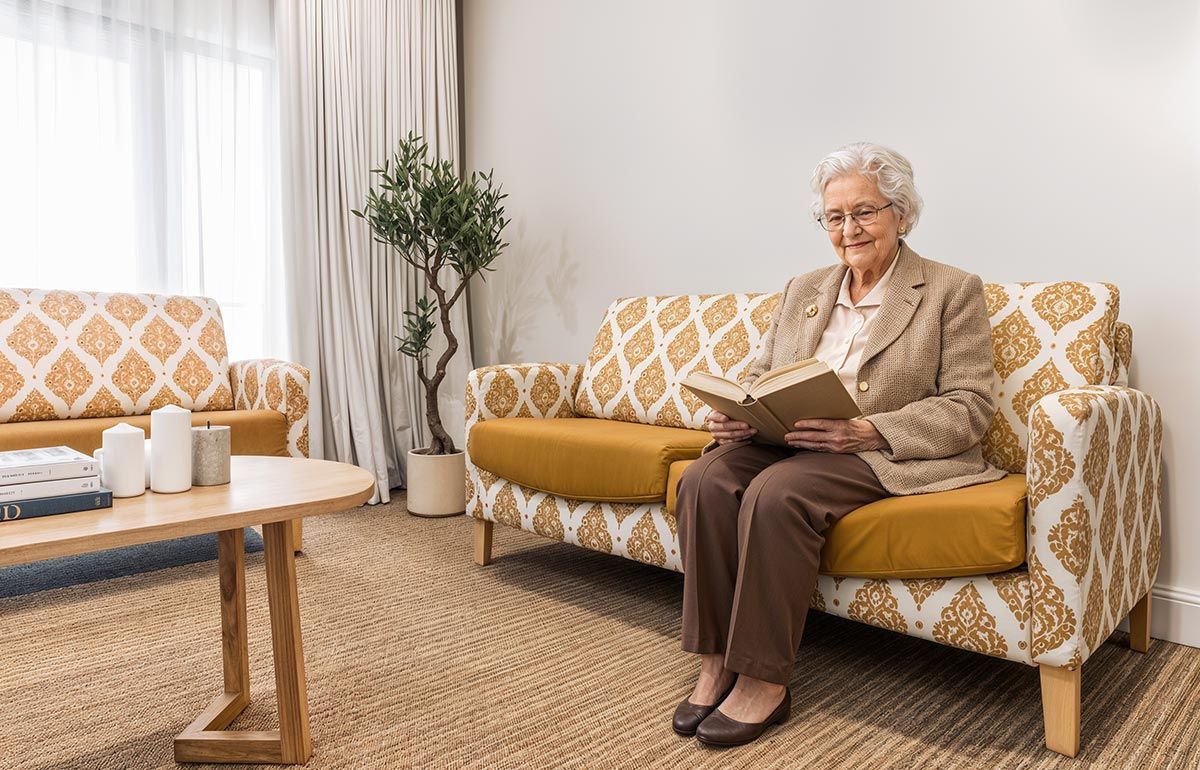
Soft blues, warm neutrals, muted greens
-
Avoiding stark whites
-
Fabrics and finishes that integrate comfortably with existing décor
Small shifts in colour can significantly improve comfort and reduce anxiety.
It Must Be Comfortable in the Way They Define Comfort
“Comfort” for residents goes beyond cushioning. It is closely tied to independence, self-worth, and the ease with which they can go about daily life.
3. Chairs That Are Easy to Get Out Of
Maintaining independence contributes directly to dignity, which sits at the heart of Standard 1. Residents often say: “I don’t want to feel stuck in my chair.”
Key features to look for:
-
Appropriate seat height (typically 480–520 mm)
-
Firm, supportive seat bases
-
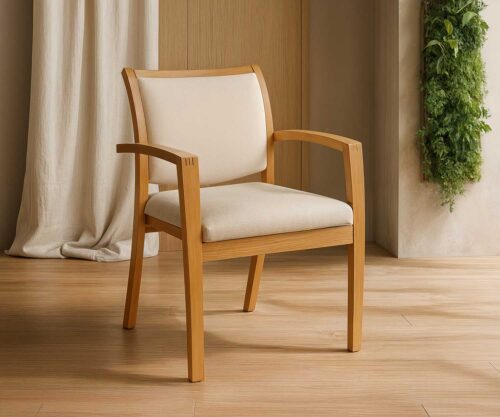
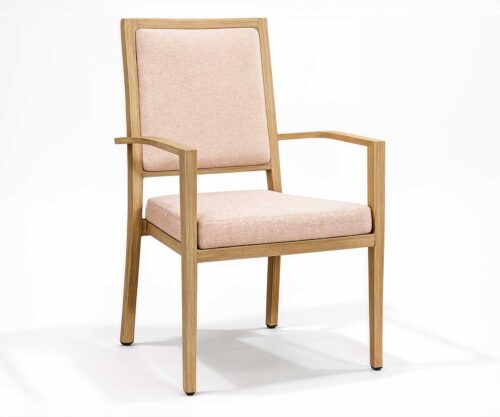
Armrests that enable safe standing
-
Backrests that support posture without feeling restrictive
4. Furniture That Supports Daily Routines
Standard 7 highlights supporting residents’ daily rhythms and participation in community life. Residents value furniture that makes their routines easier:
-
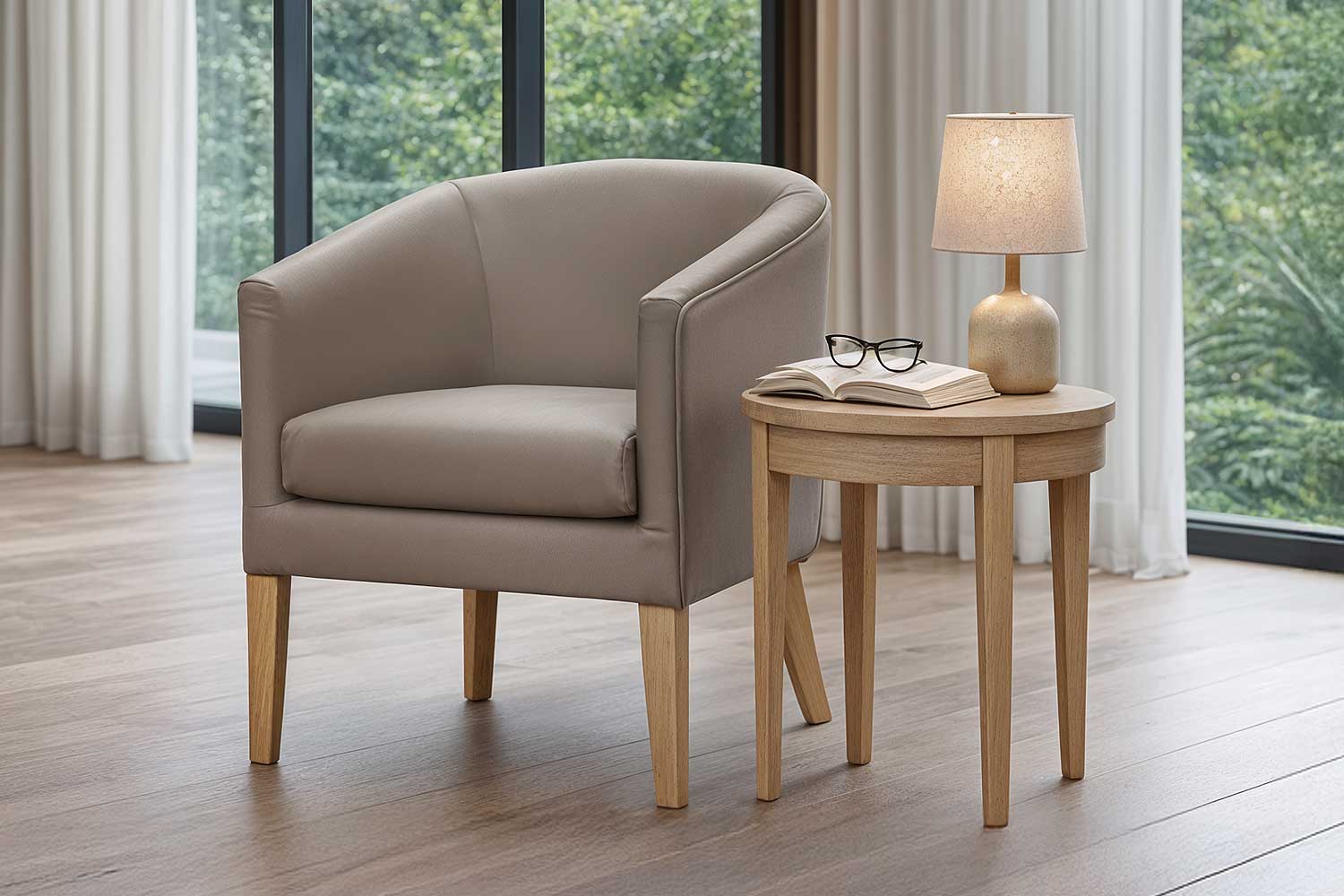
Side tables at an accessible height for glasses or remotes
-
Dining chairs that glide smoothly without strain
-
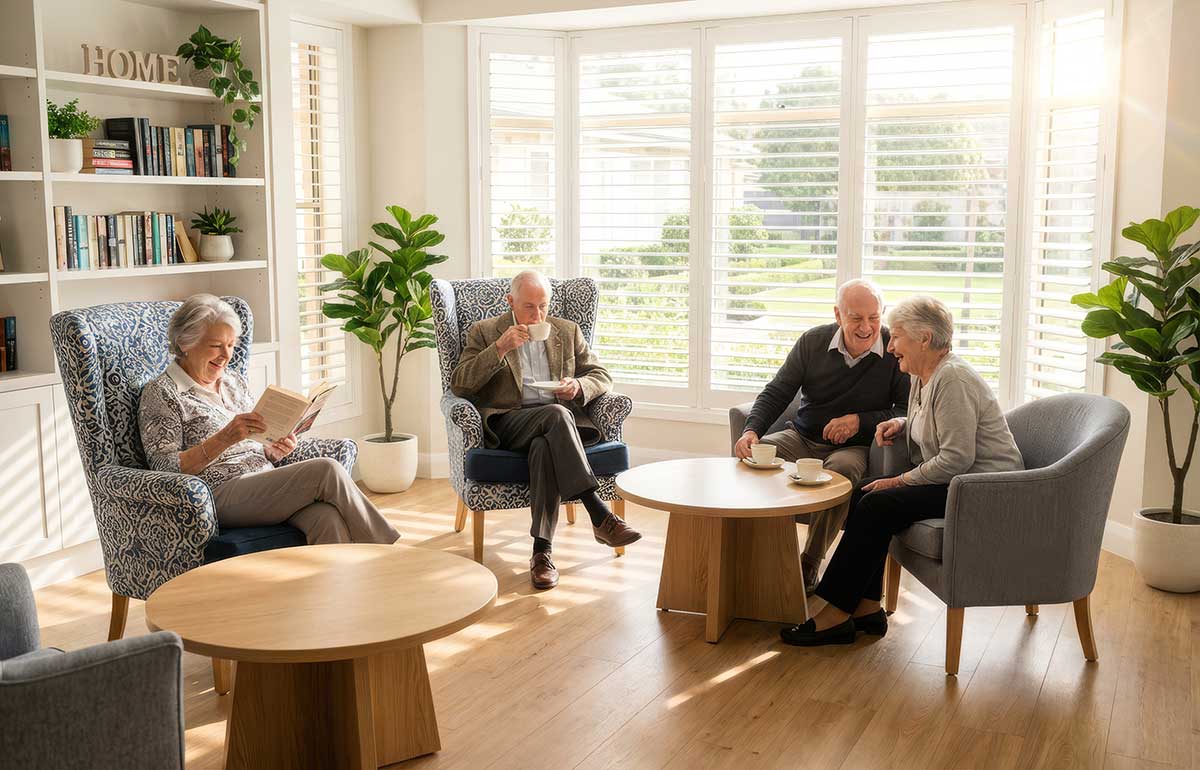
Lounge seating arranged for natural lighting without glare
-
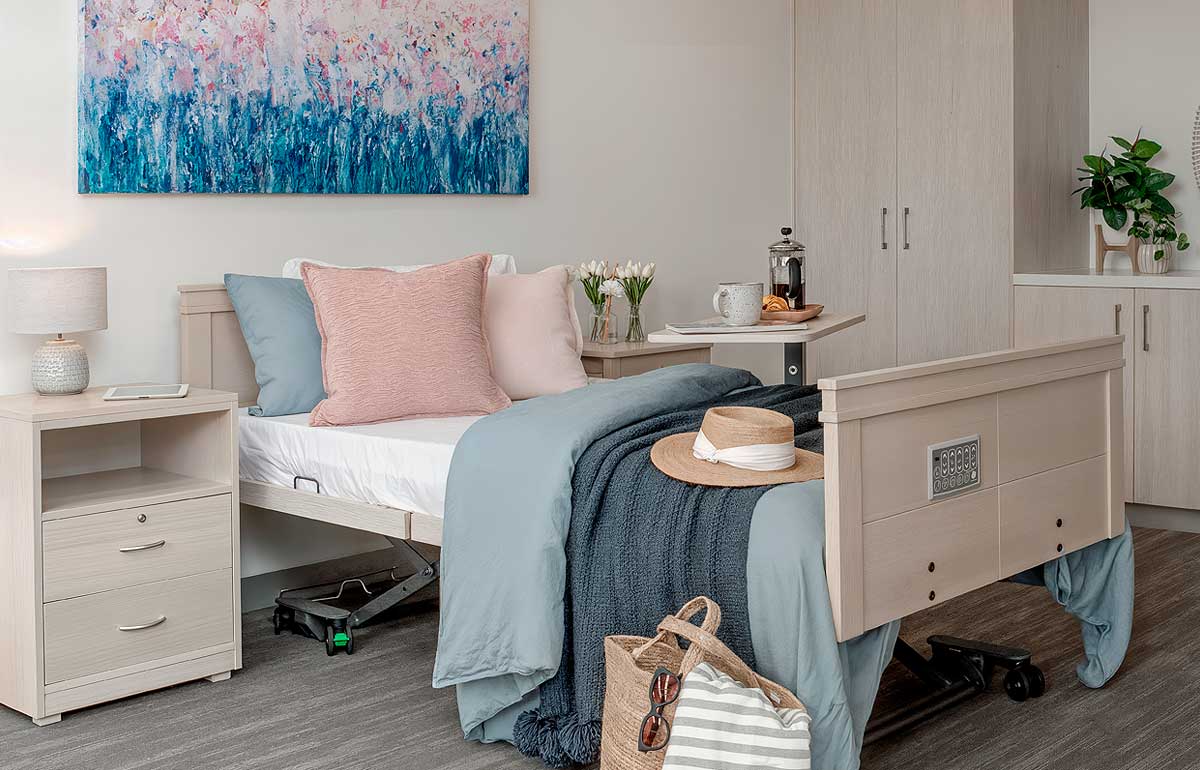
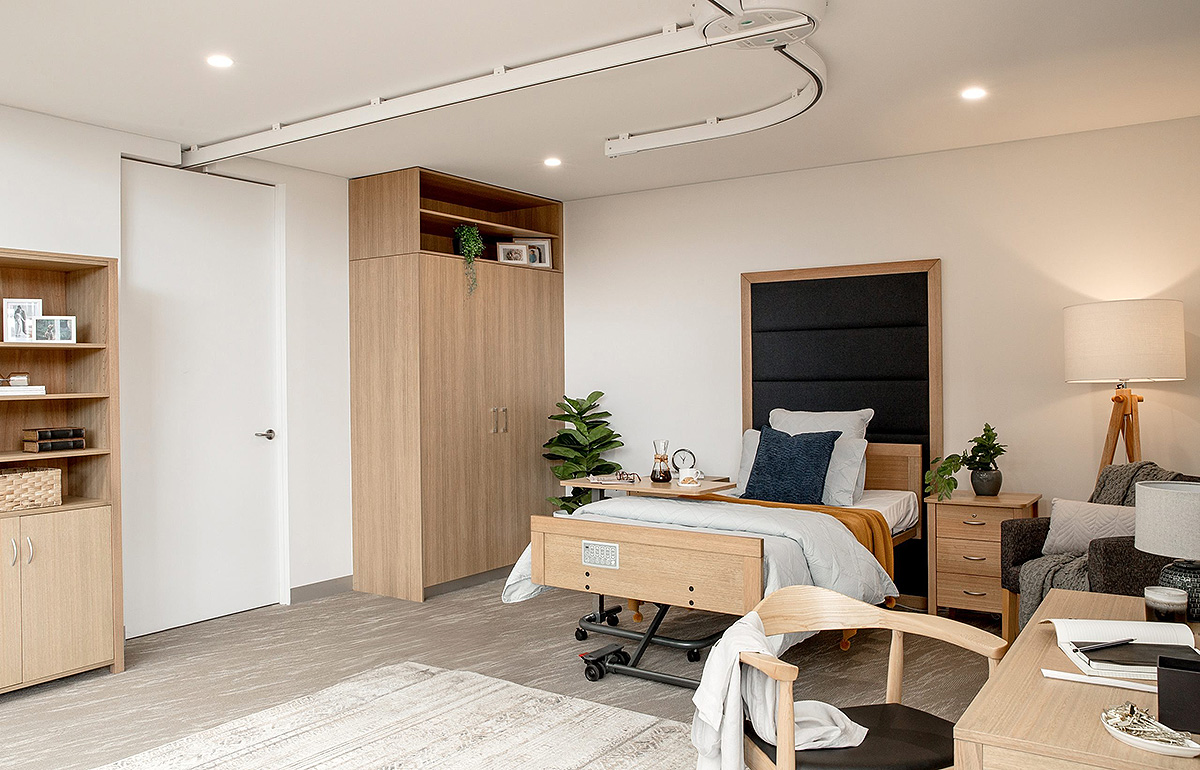
Bedroom furniture that leaves clear pathways for mobility aids
Furniture that supports daily living increases comfort, confidence, and participation.
Personalisation Is More Important Than You Think
Personal identity is central to belonging — and belonging is essential to Standards 1 and 7.
5. Spaces That Allow for Personal Touches
Residents want their environment to reflect who they are. Furniture that supports personalisation helps maintain identity and connection.
Examples include:
-
Sideboards for family photos
-
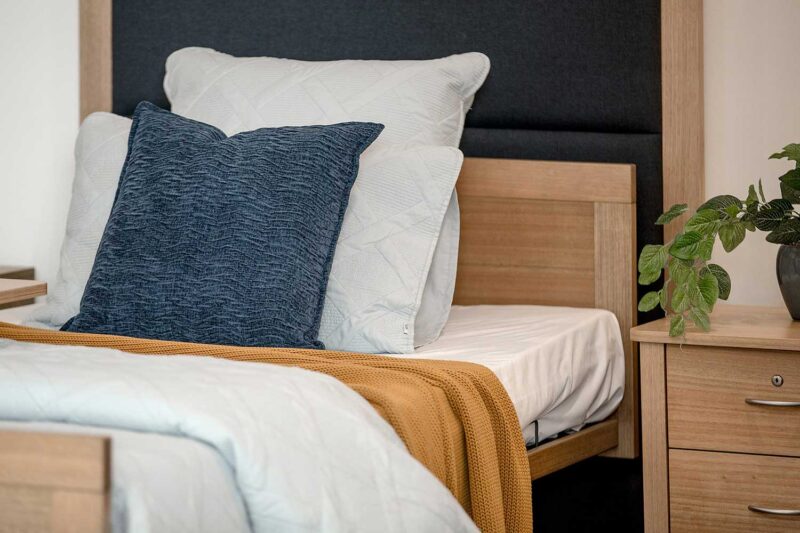
Bedside tables with space for meaningful keepsakes
-
Bookshelves for hobbies and favourite books
-
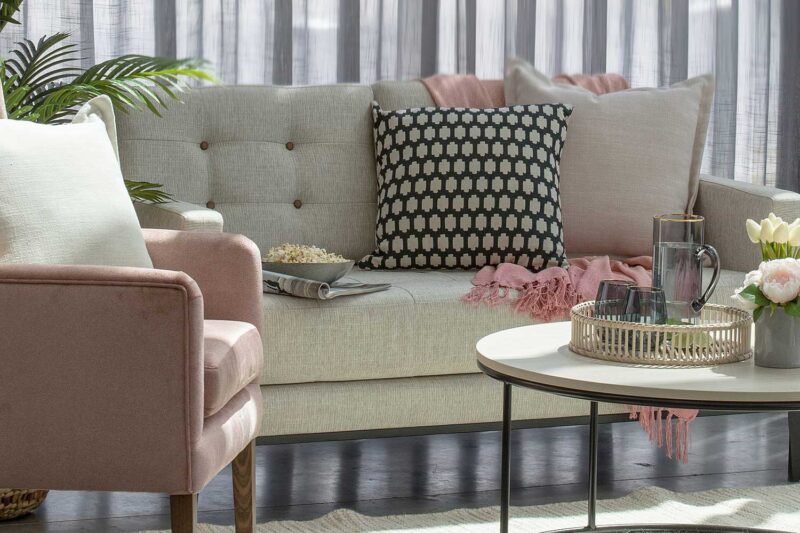
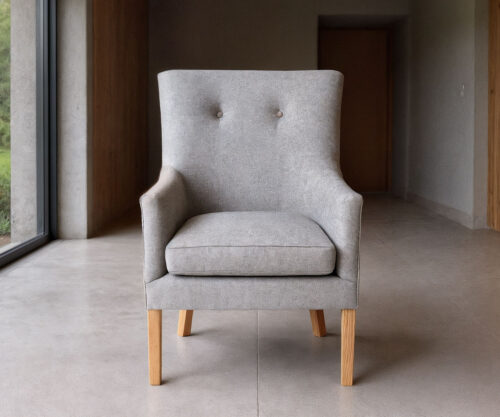
Occasional chairs with resident-selected fabrics
Even small choices foster a powerful sense of ownership.
6. Furniture That Doesn’t Overwhelm the Room
A homely environment feels balanced, not institutional. Residents prefer:
-
Slimmer profiles
-
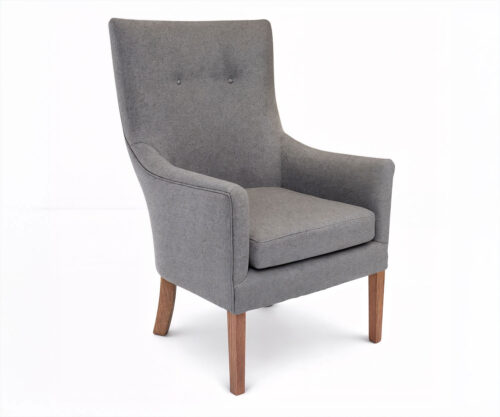
Raised legs that visually lighten the room
-
Pieces that don’t block light
-
Proportionate furniture suited to room scale
Thoughtful proportions help residents feel comfortable and grounded.
Texture and Tactility Make a Major Difference
Textures are emotional cues. They signal warmth, comfort, and familiarity — all essential to creating a homely feel under Standard 4.
7. Fabrics That Feel Warm, Soft, and Inviting
Residents notice tactility more than most managers expect. Favourites include:
-
Soft chenille
-
Textured weaves
-
Linen-look fabrics
-
Warm-feel leather alternatives
All can be specified in high-performance commercial grades.
8. Natural Timber Tones
Natural-looking timber instantly communicates warmth. Popular choices include:
-
Light oak for a Scandinavian feel
-
Walnut for traditional familiarity
-
Low-sheen finishes for a handcrafted look
Even small timber accents help reduce the “institutional” feel.
Quiet Comfort Matters More Than Ever
Noise control strongly supports Standards 4 and 7, contributing to comfort, calm, and community wellbeing.
9. Chairs That Don’t Scrape
A surprisingly common frustration among residents is noisy chairs. Solutions include:
-
High-quality glides
-
Chairs designed to move easily without excessive weight
10. Furniture That Minimises Daily Disruptions
Residents value a calm environment free from rattling, buzzing, or scraping. Look for:
-
Quiet-close drawers
-
Sturdy construction
-
Upholstered elements that soften acoustics
Quietness equals comfort — and comfort equals home.
The Emotional Layer: What Really Makes Furniture Feel Like Home
The Quality Standards emphasise dignity, respect, and a sense of community. Residents express this as:
“I want to feel like myself here.”
Furniture plays a central role in shaping that emotional experience.
Practical ways to reflect this:
-
Offer small but meaningful choices in fabrics or styles
-
Involve residents where possible in selection processes
-
Choose furniture with warmth and character
-
Prioritise comfort and humanity over strict minimalism
These touches transform a facility into a community that residents feel they belong to.
Final Thoughts: Homeliness Is a Strategy — Not an Aesthetic
Meeting the Aged Care Quality Standards means moving beyond basic safety. A genuinely homely environment improves:
-
Resident satisfaction
-
Mood and engagement
-
Family confidence
-
Occupancy appeal
-
Day-to-day operational ease
Furniture is central to achieving this. Residents know what feels homely — and when you listen to them, the entire facility benefits.
If you would like support reviewing your current spaces or selecting furniture that meets the Quality Standards while delivering genuine comfort and familiarity, FHG’s Project Consultants can guide you through a tailored, resident-centred process.
Custom Furniture for Aged Care Facilities

Recent Updates

[Aged Care Quality Standards] We Asked Residents What Makes Furniture ‘Feel Like Home’ — Here’s What They Told Us
Creating a truly homely environment in aged care and retirement living isn’t about choosing a “nice” aged care chair chair or coordinating colours. In Australia, the concept of “homely” is embedded in several Aged Care Quality Standards — particularly Standard 1: The Individual, Standard 4: The Environment, and Standard 7: The Residential Community. These standards place strong emphasis on dignity, personal preference, identity, and a genuine sense of belonging.
When we asked aged care residents what makes furniture feel like home, their answers mirrored those expectations. They highlighted comfort, familiarity, independence, and the emotional cues that help them feel like themselves in their living environment. If you are an Aged Care Facility Manager or Retirement Village Manager, the insights below offer practical steps to meet resident expectations while strengthening your alignment with the Quality Standards.
The Little Details Residents Notice Immediately
Residents are highly perceptive. They recognise details that are often overlooked during procurement.
1. Furniture That Looks Like It Belongs in a Home — Not a Hospital
Many residents shared the same sentiment: “I don’t want to feel like I’m in a medical ward.”
This aligns strongly with Standard 4, which emphasises environments that are welcoming and supportive. Consider:
-
Softer silhouettes instead of sharp, clinical lines
-
Warm timber tones over cold metal finishes
-
Fabrics with natural textures rather than glossy surfaces
With the right commercial fabrics, you can support infection control without losing the feeling of home.
2. Colours That Feel Familiar
A homely environment is often tied to familiarity, a key component of Standard 1. Residents respond positively to colour palettes that reflect their past homes:
-
Soft blues, warm neutrals, muted greens
-
Avoiding stark whites
-
Fabrics and finishes that integrate comfortably with existing décor
Small shifts in colour can significantly improve comfort and reduce anxiety.
It Must Be Comfortable in the Way They Define Comfort
“Comfort” for residents goes beyond cushioning. It is closely tied to independence, self-worth, and the ease with which they can go about daily life.
3. Chairs That Are Easy to Get Out Of
Maintaining independence contributes directly to dignity, which sits at the heart of Standard 1. Residents often say: “I don’t want to feel stuck in my chair.”
Key features to look for:
-
Appropriate seat height (typically 480–520 mm)
-
Firm, supportive seat bases
-
Armrests that enable safe standing
-
Backrests that support posture without feeling restrictive
4. Furniture That Supports Daily Routines
Standard 7 highlights supporting residents’ daily rhythms and participation in community life. Residents value furniture that makes their routines easier:
-
Side tables at an accessible height for glasses or remotes
-
Dining chairs that glide smoothly without strain
-
Lounge seating arranged for natural lighting without glare
-
Bedroom furniture that leaves clear pathways for mobility aids
Furniture that supports daily living increases comfort, confidence, and participation.
Personalisation Is More Important Than You Think
Personal identity is central to belonging — and belonging is essential to Standards 1 and 7.
5. Spaces That Allow for Personal Touches
Residents want their environment to reflect who they are. Furniture that supports personalisation helps maintain identity and connection.
Examples include:
-
Sideboards for family photos
-
Bedside tables with space for meaningful keepsakes
-
Bookshelves for hobbies and favourite books
-
Occasional chairs with resident-selected fabrics
Even small choices foster a powerful sense of ownership.
6. Furniture That Doesn’t Overwhelm the Room
A homely environment feels balanced, not institutional. Residents prefer:
-
Slimmer profiles
-
Raised legs that visually lighten the room
-
Pieces that don’t block light
-
Proportionate furniture suited to room scale
Thoughtful proportions help residents feel comfortable and grounded.
Texture and Tactility Make a Major Difference
Textures are emotional cues. They signal warmth, comfort, and familiarity — all essential to creating a homely feel under Standard 4.
7. Fabrics That Feel Warm, Soft, and Inviting
Residents notice tactility more than most managers expect. Favourites include:
-
Soft chenille
-
Textured weaves
-
Linen-look fabrics
-
Warm-feel leather alternatives
All can be specified in high-performance commercial grades.
8. Natural Timber Tones
Natural-looking timber instantly communicates warmth. Popular choices include:
-
Light oak for a Scandinavian feel
-
Walnut for traditional familiarity
-
Low-sheen finishes for a handcrafted look
Even small timber accents help reduce the “institutional” feel.
Quiet Comfort Matters More Than Ever
Noise control strongly supports Standards 4 and 7, contributing to comfort, calm, and community wellbeing.
9. Chairs That Don’t Scrape
A surprisingly common frustration among residents is noisy chairs. Solutions include:
-
High-quality glides
-
Chairs designed to move easily without excessive weight
10. Furniture That Minimises Daily Disruptions
Residents value a calm environment free from rattling, buzzing, or scraping. Look for:
-
Quiet-close drawers
-
Sturdy construction
-
Upholstered elements that soften acoustics
Quietness equals comfort — and comfort equals home.
The Emotional Layer: What Really Makes Furniture Feel Like Home
The Quality Standards emphasise dignity, respect, and a sense of community. Residents express this as:
“I want to feel like myself here.”
Furniture plays a central role in shaping that emotional experience.
Practical ways to reflect this:
-
Offer small but meaningful choices in fabrics or styles
-
Involve residents where possible in selection processes
-
Choose furniture with warmth and character
-
Prioritise comfort and humanity over strict minimalism
These touches transform a facility into a community that residents feel they belong to.
Final Thoughts: Homeliness Is a Strategy — Not an Aesthetic
Meeting the Aged Care Quality Standards means moving beyond basic safety. A genuinely homely environment improves:
-
Resident satisfaction
-
Mood and engagement
-
Family confidence
-
Occupancy appeal
-
Day-to-day operational ease
Furniture is central to achieving this. Residents know what feels homely — and when you listen to them, the entire facility benefits.
If you would like support reviewing your current spaces or selecting furniture that meets the Quality Standards while delivering genuine comfort and familiarity, FHG’s Project Consultants can guide you through a tailored, resident-centred process.