5 Ugly Truths About Some Australian Furniture Suppliers in Health & Aged Care

At the start of a new year, many aged care and health facilities begin reviewing furniture: what’s worn, what’s no longer compliant, and what’s starting to create risk.
On paper, choosing a furniture supplier should be straightforward. In reality, this is where many projects quietly go wrong.
Over the years, I’ve seen the same issues repeat themselves — often not because facility managers made poor decisions, but because they were given incomplete information, unrealistic promises, or advice that didn’t fully consider the environment they were working in.
So let’s talk honestly about some of the less comfortable truths in this space — and what a good furniture partner should be doing differently.
1. “Australian made” doesn’t always mean “fit for aged care”
Many suppliers promote local manufacturing, which is important. But being Australian made alone doesn’t guarantee suitability for health or aged care environments.
What’s often missing:
-
Real understanding of infection control requirements
-
Knowledge of how furniture behaves under constant use
-
Experience designing for mobility aids, staff workflows, and resident safety
Furniture that looks good in a showroom can fail quickly in a care setting if it hasn’t been designed for:
-
Frequent cleaning with harsh products
-
Weight-bearing use (armrests, backs, edges)
-
High turnover and 24/7 operation
Good suppliers design for real-world use, not ideal conditions.
2. Compliance is treated as a checkbox, not a responsibility
One of the biggest risks I see is compliance being handled reactively — or worse, assumed.
Some suppliers:
-
Rely on generic statements rather than documented testing
-
Leave compliance interpretation to the facility
-
Provide furniture that technically complies, but creates operational issues
In aged care, furniture decisions are tied to:
-
Accreditation outcomes
-
Resident safety
-
Staff injury risk
-
Infection control audits
A good furniture partner should be able to clearly explain:
-
What standards apply
-
How their products meet them
-
Where limitations exist (and how to manage them)
If you’re doing the interpretation work yourself, something is wrong.
3. Lead times are often optimistic — not realistic
Another uncomfortable truth: lead times are frequently sold based on best-case scenarios.
This becomes a problem when:
-
Refurbishments are staged
-
Occupancy pressures exist
-
Internal deadlines are immovable
Missed or shifting lead times don’t just cause inconvenience — they affect:
-
Resident moves
-
Staff planning
-
Contractor schedules
-
Budget certainty
A strong supplier doesn’t promise speed at all costs. They:
-
Explain manufacturing realities upfront
-
Flag risks early
-
Build timelines around your operational constraints
Predictability matters more than optimism.
4. Too many suppliers disappear after installation
Once furniture is delivered and installed, many suppliers consider the job “done”.
In practice, this is when real issues often emerge:
-
Adjustments required after use
-
Damage during early occupancy
-
Questions about maintenance or replacement
-
Warranty claims that need clarity
After-sales support isn’t a bonus — it’s part of the job.
Facilities should expect:
-
Clear warranty processes
-
Accountability for defects
-
Ongoing advice as spaces evolve
A supplier who stays engaged after installation is one who understands long-term partnerships.
5. Not every project needs “more furniture” — sometimes it needs better advice
One of the most overlooked issues is over-specification.
I’ve seen projects where:
-
Custom furniture wasn’t necessary
-
Speed mattered more than bespoke design
-
Budget was stretched unnecessarily
A good furniture partner isn’t afraid to say:
-
“You don’t need to custom-make this.”
-
“There’s a simpler way to achieve the outcome.”
-
“This part of the project doesn’t need us.”
That kind of honesty builds trust — and usually leads to better long-term relationships.
What good furniture partners actually do differently: A checklist
A good furniture partner doesn’t just manufacture and deliver. They reduce risk, create clarity, and support better decisions throughout the life of a project.
Use the checklist below as a practical way to assess whether a supplier is genuinely equipped to support your facility.
1. They invest time upfront to understand your environment
-
Ask how spaces are used day to day — not just how they look
-
Understand resident mobility, staffing patterns and cleaning regimes
-
Clarify who will use the furniture and how often
-
Identify pressure points before design begins
If a supplier jumps straight to quoting, they’re likely missing something.
2. They guide scope — instead of automatically increasing it
-
Recommend where custom furniture adds value
-
Flag areas where off-the-shelf solutions are more appropriate
-
Help balance budget, durability and lead time
-
Push back when complexity isn’t necessary
Good advice often saves money — and avoids future regret.
3. They take responsibility for compliance
-
Clearly explain which standards apply to your project
-
Provide documented evidence, not assumptions
-
Identify compliance risks early
-
Help facilities interpret requirements rather than leaving them to guess
Compliance should feel supported, not stressful.
4. They design for real-world use, not ideal conditions
-
Account for mobility aids, cleaning products and constant use
-
Design weight-bearing components properly
-
Select materials based on durability, not trends
-
Consider long-term maintenance and replacement
Furniture should perform well at year five — not just on day one.
5. They are transparent about lead times
-
Provide realistic manufacturing timelines
-
Explain what can and can’t be accelerated
-
Communicate early if risks arise
-
Align delivery with your operational deadlines
Reliability is more valuable than speed that can’t be kept.
6. They manage projects, not just products
-
Coordinate across multiple items and spaces
-
Track progress and keep stakeholders informed
-
Understand how furniture fits into wider construction or refurbishment schedules
-
Reduce the administrative burden on the facility team
This is especially critical in staged or live environments.
7. They support installation properly
-
Plan access, staging and protection of existing spaces
-
Coordinate with other trades where required
-
Resolve issues quickly during install
-
Ensure furniture is ready for immediate use
Installation should feel controlled — not chaotic.
8. They stay involved after delivery
-
Provide clear warranty processes
-
Respond to post-installation issues
-
Offer advice as spaces evolve
-
Support repairs, replacements or additions over time
After-sales support is part of the service, not an extra.
9. They share insight, not just options
-
Explain trade-offs between materials, cost and performance
-
Share lessons from similar facilities
-
Help clients avoid common mistakes
-
Educate rather than pressure
The best suppliers help you make better decisions — even when it doesn’t benefit them immediately.
10. They build long-term relationships, not one-off transactions
-
Maintain contact beyond the project
-
Understand future planning cycles
-
Adjust advice as regulations and needs change
-
Act as a trusted resource over time
This is where the real value compounds.
This checklist isn’t about finding perfection — it’s about finding a partner who understands the realities of health and aged care environments and takes responsibility beyond the quote.
If a supplier meets most of these points, you’re likely in good hands.
A final thought for 2026 planning
Furniture decisions in aged care aren’t just about aesthetics or price. They influence:
-
Resident comfort and dignity
-
Staff safety and efficiency
-
Compliance outcomes
-
Long-term operational costs
As you plan projects this year, it’s worth asking not just what a supplier is offering — but how they work, what they take responsibility for, and where they add value beyond the quote.
That difference is rarely visible upfront, but it becomes very clear over time.
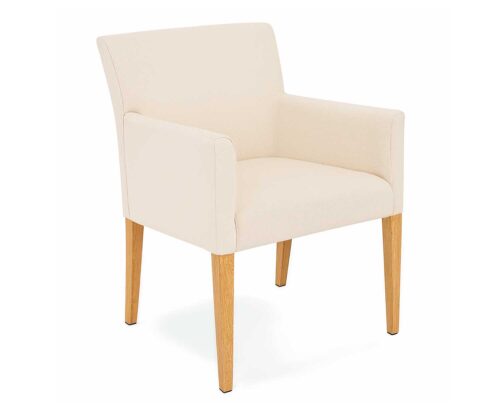
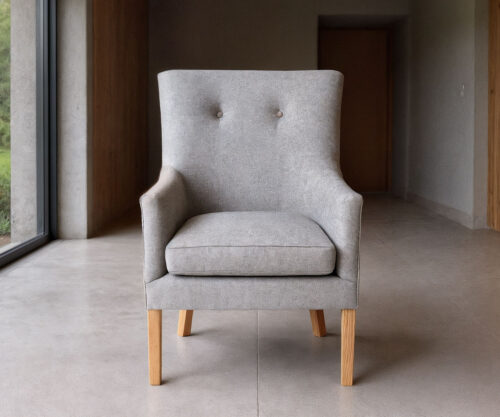
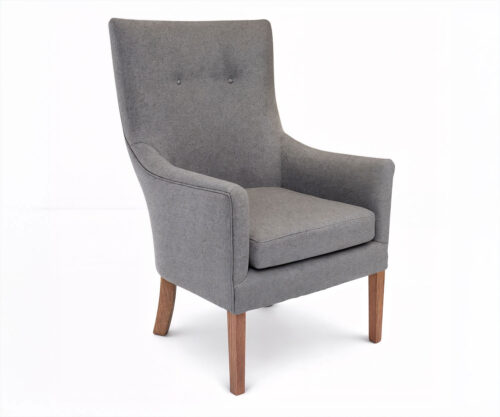
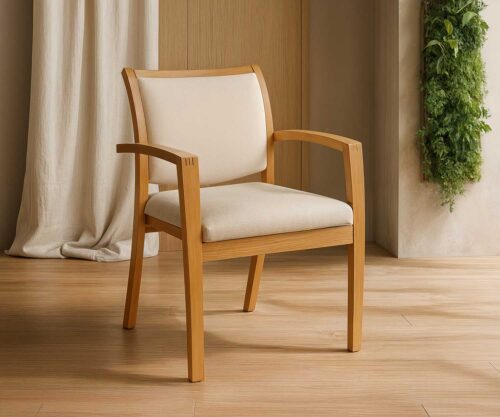
Custom Furniture for Aged Care Facilities


Recent Updates



5 Ugly Truths About Some Australian Furniture Suppliers in Health & Aged Care
At the start of a new year, many aged care and health facilities begin reviewing furniture: what’s worn, what’s no longer compliant, and what’s starting to create risk.
On paper, choosing a furniture supplier should be straightforward. In reality, this is where many projects quietly go wrong.
Over the years, I’ve seen the same issues repeat themselves — often not because facility managers made poor decisions, but because they were given incomplete information, unrealistic promises, or advice that didn’t fully consider the environment they were working in.
So let’s talk honestly about some of the less comfortable truths in this space — and what a good furniture partner should be doing differently.
1. “Australian made” doesn’t always mean “fit for aged care”
Many suppliers promote local manufacturing, which is important. But being Australian made alone doesn’t guarantee suitability for health or aged care environments.
What’s often missing:
-
Real understanding of infection control requirements
-
Knowledge of how furniture behaves under constant use
-
Experience designing for mobility aids, staff workflows, and resident safety
Furniture that looks good in a showroom can fail quickly in a care setting if it hasn’t been designed for:
-
Frequent cleaning with harsh products
-
Weight-bearing use (armrests, backs, edges)
-
High turnover and 24/7 operation
Good suppliers design for real-world use, not ideal conditions.
2. Compliance is treated as a checkbox, not a responsibility
One of the biggest risks I see is compliance being handled reactively — or worse, assumed.
Some suppliers:
-
Rely on generic statements rather than documented testing
-
Leave compliance interpretation to the facility
-
Provide furniture that technically complies, but creates operational issues
In aged care, furniture decisions are tied to:
-
Accreditation outcomes
-
Resident safety
-
Staff injury risk
-
Infection control audits
A good furniture partner should be able to clearly explain:
-
What standards apply
-
How their products meet them
-
Where limitations exist (and how to manage them)
If you’re doing the interpretation work yourself, something is wrong.
3. Lead times are often optimistic — not realistic
Another uncomfortable truth: lead times are frequently sold based on best-case scenarios.
This becomes a problem when:
-
Refurbishments are staged
-
Occupancy pressures exist
-
Internal deadlines are immovable
Missed or shifting lead times don’t just cause inconvenience — they affect:
-
Resident moves
-
Staff planning
-
Contractor schedules
-
Budget certainty
A strong supplier doesn’t promise speed at all costs. They:
-
Explain manufacturing realities upfront
-
Flag risks early
-
Build timelines around your operational constraints
Predictability matters more than optimism.
4. Too many suppliers disappear after installation
Once furniture is delivered and installed, many suppliers consider the job “done”.
In practice, this is when real issues often emerge:
-
Adjustments required after use
-
Damage during early occupancy
-
Questions about maintenance or replacement
-
Warranty claims that need clarity
After-sales support isn’t a bonus — it’s part of the job.
Facilities should expect:
-
Clear warranty processes
-
Accountability for defects
-
Ongoing advice as spaces evolve
A supplier who stays engaged after installation is one who understands long-term partnerships.
5. Not every project needs “more furniture” — sometimes it needs better advice
One of the most overlooked issues is over-specification.
I’ve seen projects where:
-
Custom furniture wasn’t necessary
-
Speed mattered more than bespoke design
-
Budget was stretched unnecessarily
A good furniture partner isn’t afraid to say:
-
“You don’t need to custom-make this.”
-
“There’s a simpler way to achieve the outcome.”
-
“This part of the project doesn’t need us.”
That kind of honesty builds trust — and usually leads to better long-term relationships.
What good furniture partners actually do differently: A checklist
A good furniture partner doesn’t just manufacture and deliver. They reduce risk, create clarity, and support better decisions throughout the life of a project.
Use the checklist below as a practical way to assess whether a supplier is genuinely equipped to support your facility.
1. They invest time upfront to understand your environment
-
Ask how spaces are used day to day — not just how they look
-
Understand resident mobility, staffing patterns and cleaning regimes
-
Clarify who will use the furniture and how often
-
Identify pressure points before design begins
If a supplier jumps straight to quoting, they’re likely missing something.
2. They guide scope — instead of automatically increasing it
-
Recommend where custom furniture adds value
-
Flag areas where off-the-shelf solutions are more appropriate
-
Help balance budget, durability and lead time
-
Push back when complexity isn’t necessary
Good advice often saves money — and avoids future regret.
3. They take responsibility for compliance
-
Clearly explain which standards apply to your project
-
Provide documented evidence, not assumptions
-
Identify compliance risks early
-
Help facilities interpret requirements rather than leaving them to guess
Compliance should feel supported, not stressful.
4. They design for real-world use, not ideal conditions
-
Account for mobility aids, cleaning products and constant use
-
Design weight-bearing components properly
-
Select materials based on durability, not trends
-
Consider long-term maintenance and replacement
Furniture should perform well at year five — not just on day one.
5. They are transparent about lead times
-
Provide realistic manufacturing timelines
-
Explain what can and can’t be accelerated
-
Communicate early if risks arise
-
Align delivery with your operational deadlines
Reliability is more valuable than speed that can’t be kept.
6. They manage projects, not just products
-
Coordinate across multiple items and spaces
-
Track progress and keep stakeholders informed
-
Understand how furniture fits into wider construction or refurbishment schedules
-
Reduce the administrative burden on the facility team
This is especially critical in staged or live environments.
7. They support installation properly
-
Plan access, staging and protection of existing spaces
-
Coordinate with other trades where required
-
Resolve issues quickly during install
-
Ensure furniture is ready for immediate use
Installation should feel controlled — not chaotic.
8. They stay involved after delivery
-
Provide clear warranty processes
-
Respond to post-installation issues
-
Offer advice as spaces evolve
-
Support repairs, replacements or additions over time
After-sales support is part of the service, not an extra.
9. They share insight, not just options
-
Explain trade-offs between materials, cost and performance
-
Share lessons from similar facilities
-
Help clients avoid common mistakes
-
Educate rather than pressure
The best suppliers help you make better decisions — even when it doesn’t benefit them immediately.
10. They build long-term relationships, not one-off transactions
-
Maintain contact beyond the project
-
Understand future planning cycles
-
Adjust advice as regulations and needs change
-
Act as a trusted resource over time
This is where the real value compounds.
This checklist isn’t about finding perfection — it’s about finding a partner who understands the realities of health and aged care environments and takes responsibility beyond the quote.
If a supplier meets most of these points, you’re likely in good hands.
A final thought for 2026 planning
Furniture decisions in aged care aren’t just about aesthetics or price. They influence:
-
Resident comfort and dignity
-
Staff safety and efficiency
-
Compliance outcomes
-
Long-term operational costs
As you plan projects this year, it’s worth asking not just what a supplier is offering — but how they work, what they take responsibility for, and where they add value beyond the quote.
That difference is rarely visible upfront, but it becomes very clear over time.