Designing for Dementia: How Furniture Shapes Independence, Comfort, and Daily Life in Aged Care

Creating supportive, homely environments for residents living with dementia is no longer optional — it’s now central to best practice in Australian aged care. As the sector moves toward the new National Aged Care Design Principles and Guidelines, it’s clear that furniture plays a far more significant role than many realise.
Recently, one of our FHG Project Consultants attended a specialist Dementia Design Seminar and shared key insights that highlight just how directly aged care furniture impacts three out of the four new Design Principles. From acoustic performance to visual contrast, from layout to outdoor access — furniture is now one of the strongest tools we have to improve residents’ quality of life.
In this article, I break down these learnings into practical recommendations you can use in your facility today.
Why Design Matters — And Why Furniture Is Central
Dementia affects memory, sensory processing, problem solving, planning and orientation. This means that everyday activities and spatial navigation require much more environmental support.
The new Design Principles reinforce that furniture is not simply decorative. It:
-
Enables independence
-
Improves comprehension and reduces anxiety
-
Supports mobility and balance
-
Shapes social engagement
-
Provides sensory comfort
-
Influences the usability of outdoor areas
With more than half of aged care residents now living with dementia, small design decisions — especially furniture decisions — can have a profound effect on wellbeing.
1. Enable Me: Supporting Independence Through Sound, Sight and Space
Acoustic Comfort
Poor acoustics increase agitation, confusion and fatigue. Furniture contributes significantly to acoustic quality by absorbing sound rather than amplifying it.
Practical tips:
-
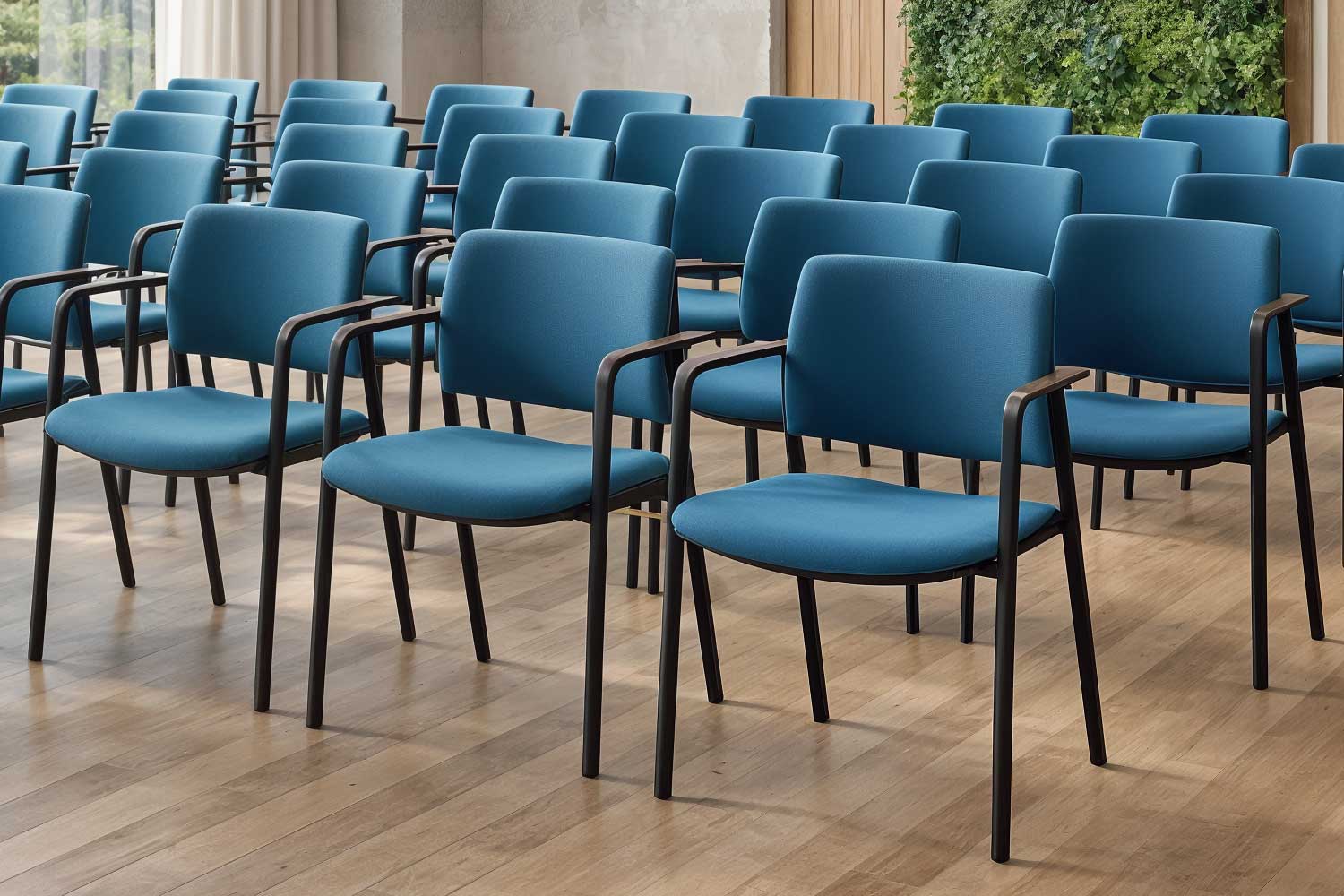
Choose upholstered chairs and sofas over hard surfaces.
-
Avoid chairs that scrape loudly — select glides or frames that minimise noise.
-
Use soft furnishings strategically to reduce echo in dining rooms and lounges.
Tonal Contrast (LRV) and Visual Clarity
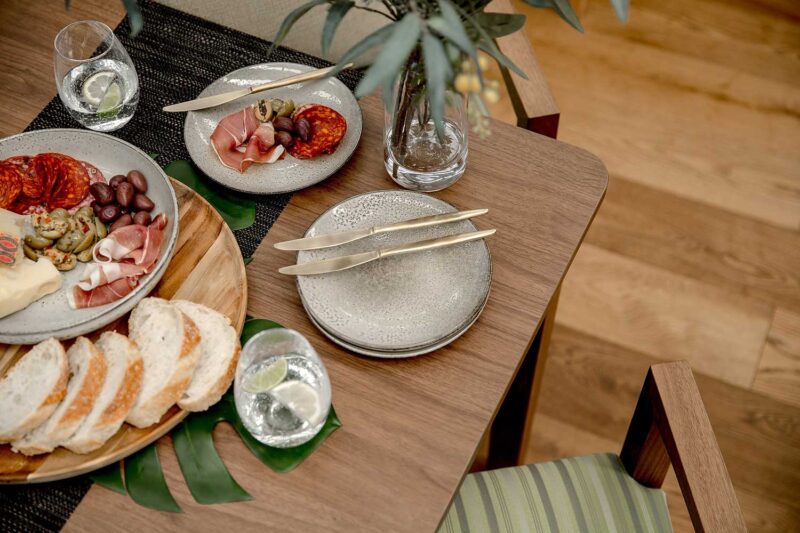
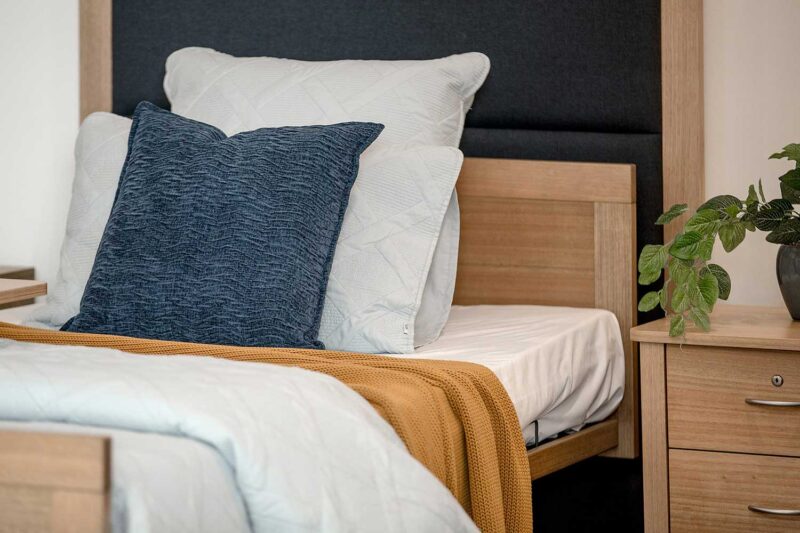
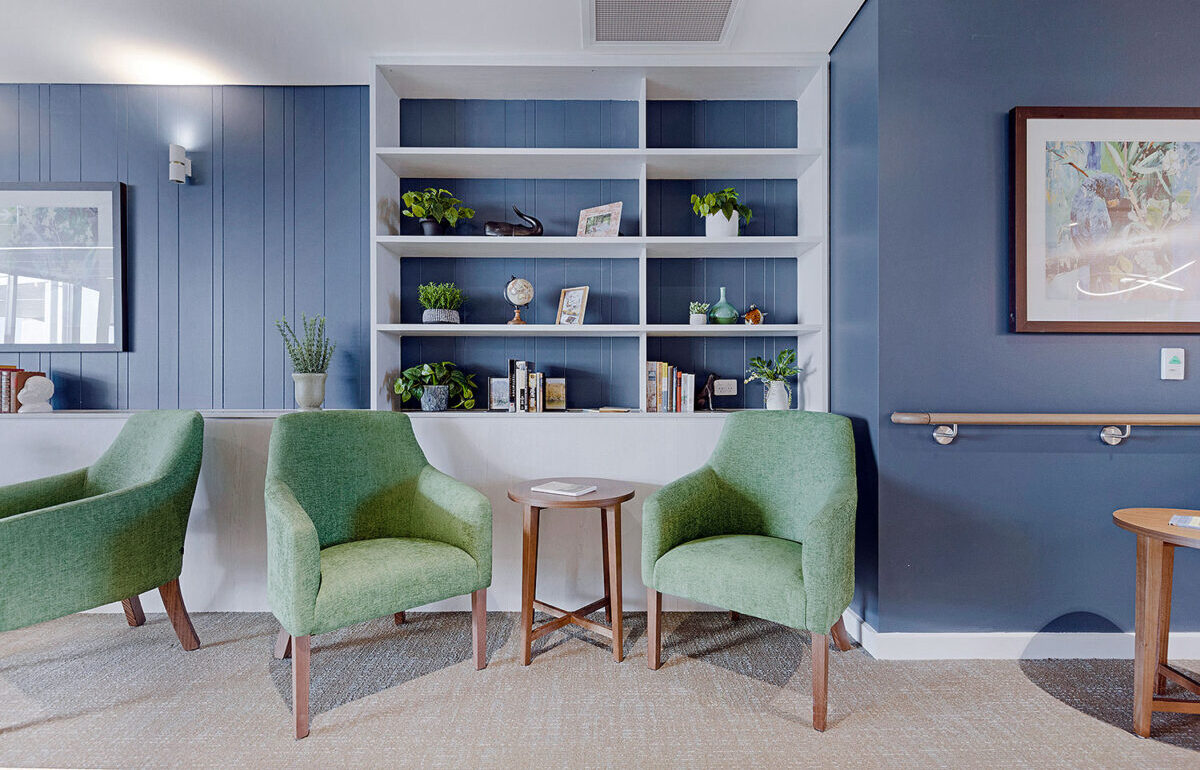
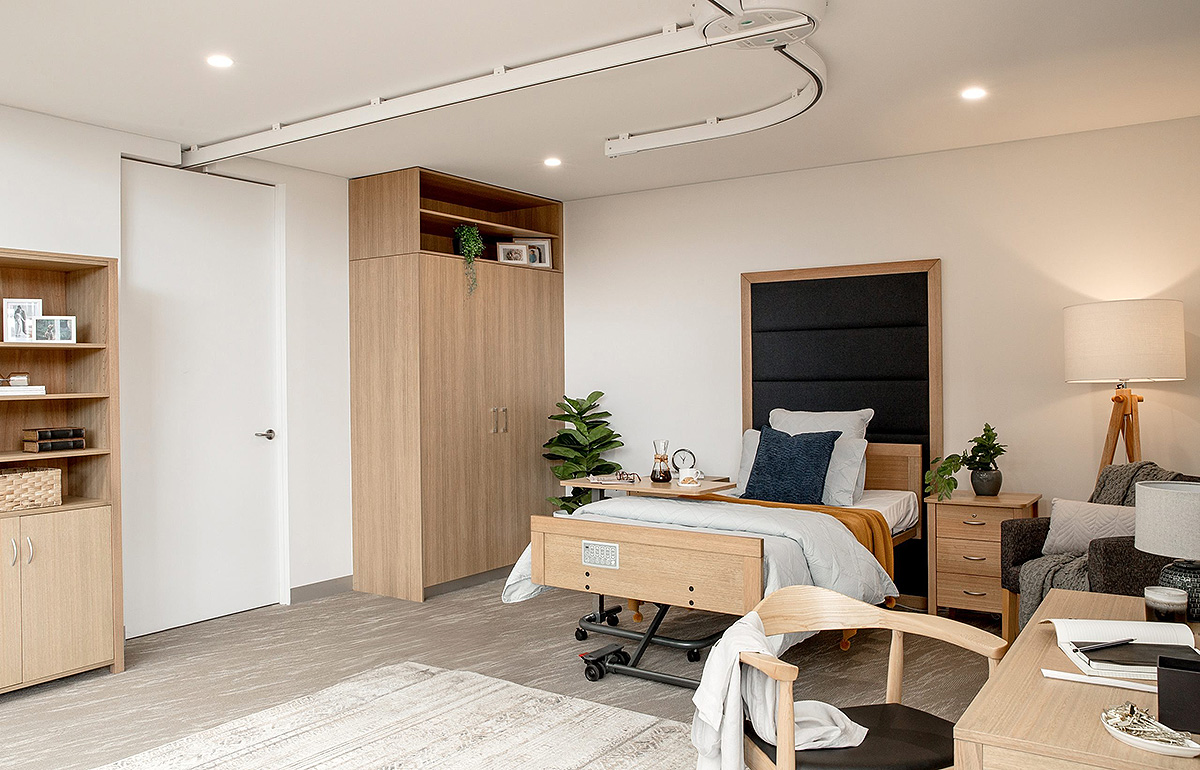
A consistent finding in dementia design is the need for strong tonal contrast. A recommended 30% Light Reflectance Value (LRV) contrast between surfaces helps residents accurately judge depth, distance, and object boundaries.
This is especially important for:
-
Seating (e.g., fabric contrasting with the flooring)
-
Tabletops
-
Bed bases
-
Handrails
-
Doorways
If a chair blends into the floor, it becomes “invisible”, increasing fall risk and making it harder for residents to sit safely.
Line of Sight and Intuitive Navigation
Furniture can act as a landmark, helping residents understand where they are and where they are going — particularly in long corridors or open-plan areas.
Design strategies:
-
Use colour or fabric variations to signal different zones.
-
Create visual destinations using a favourite armchair, plant stand or bookcase.
-
Avoid cluttered layouts that force residents to navigate tightly around furniture.
Nature Indoors and Clean Air
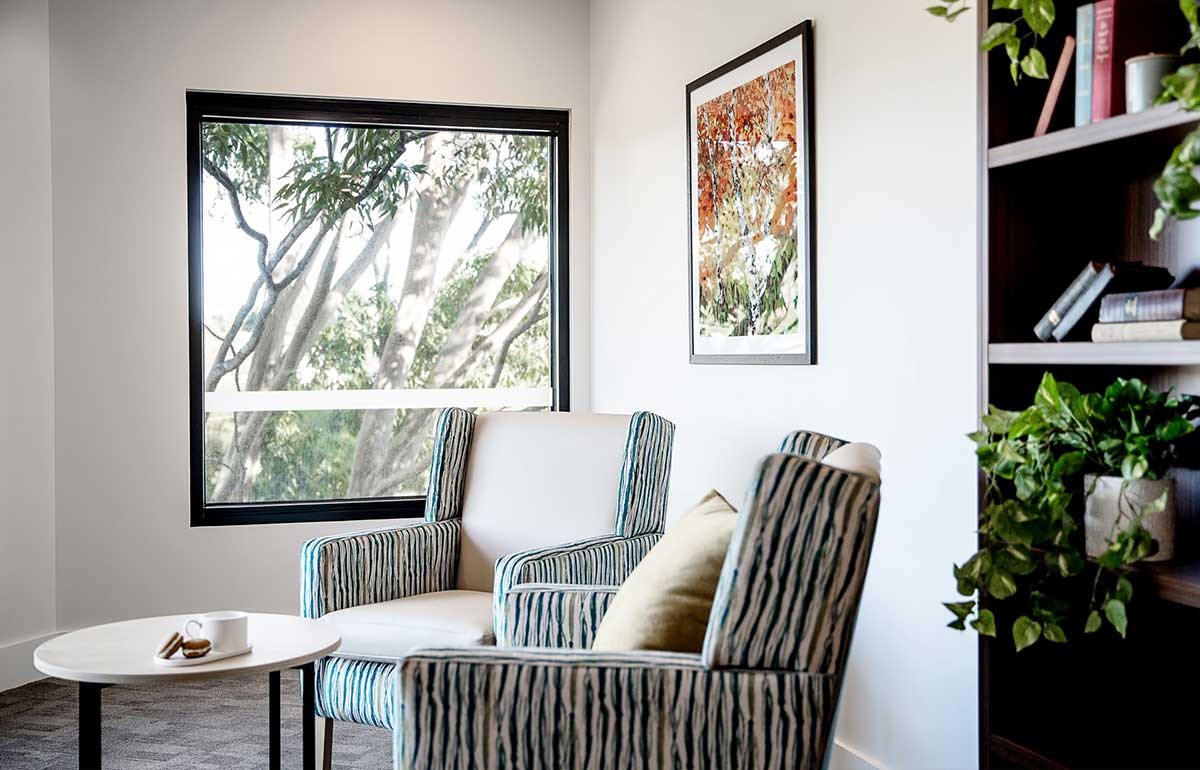
Planters, greenery and biophilic design support calmness, sensory engagement and a sense of orientation. Furniture that integrates plant displays or complements natural materials enhances this effect.
2. Cultivate a Home: The Power of Familiarity
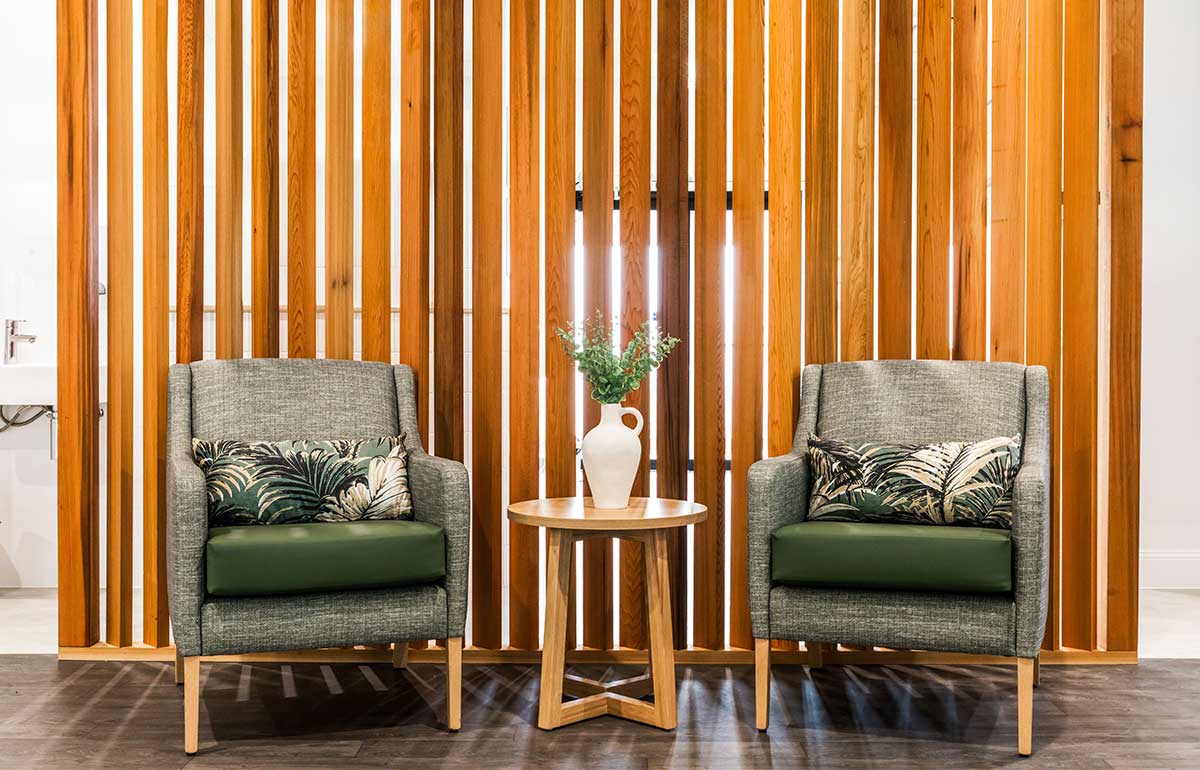
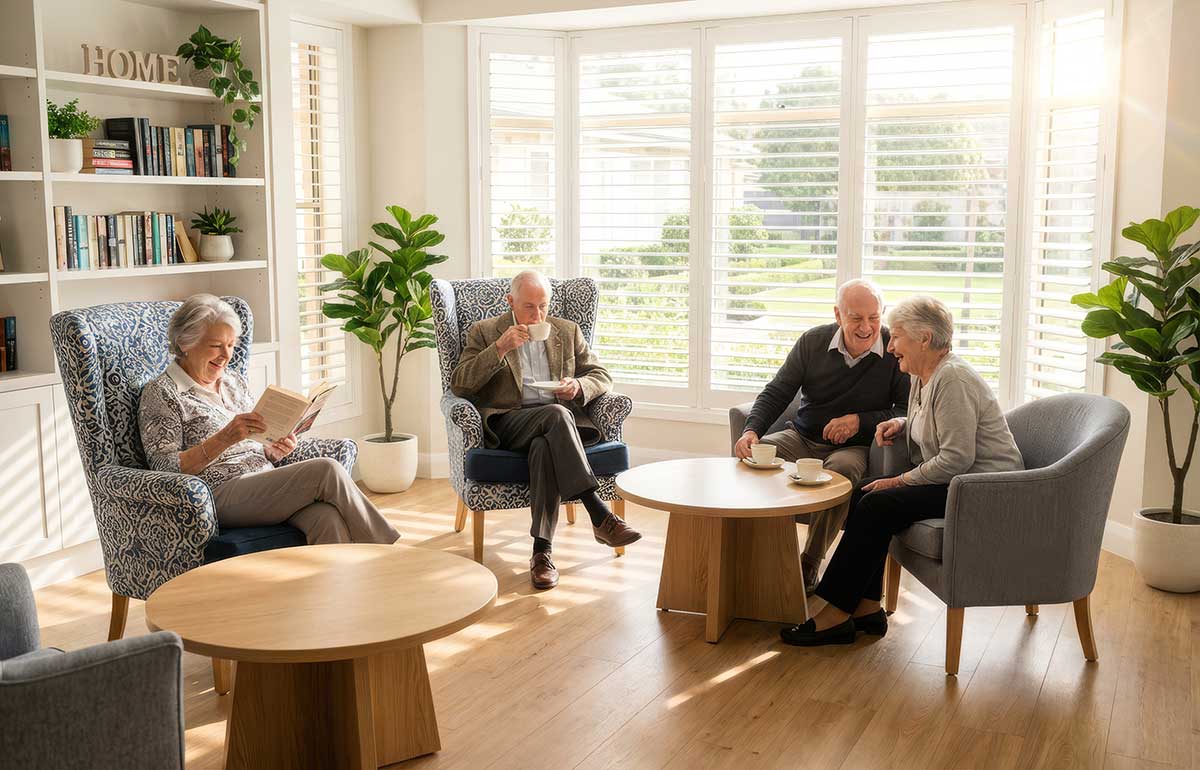
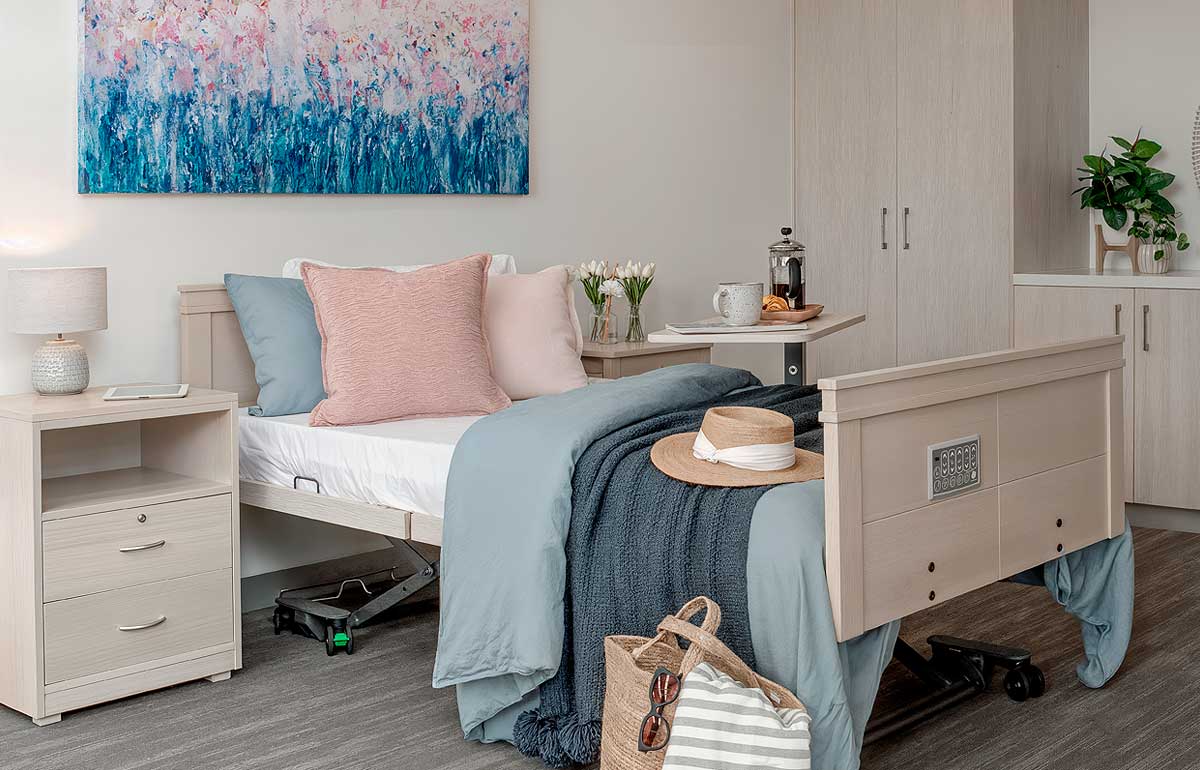
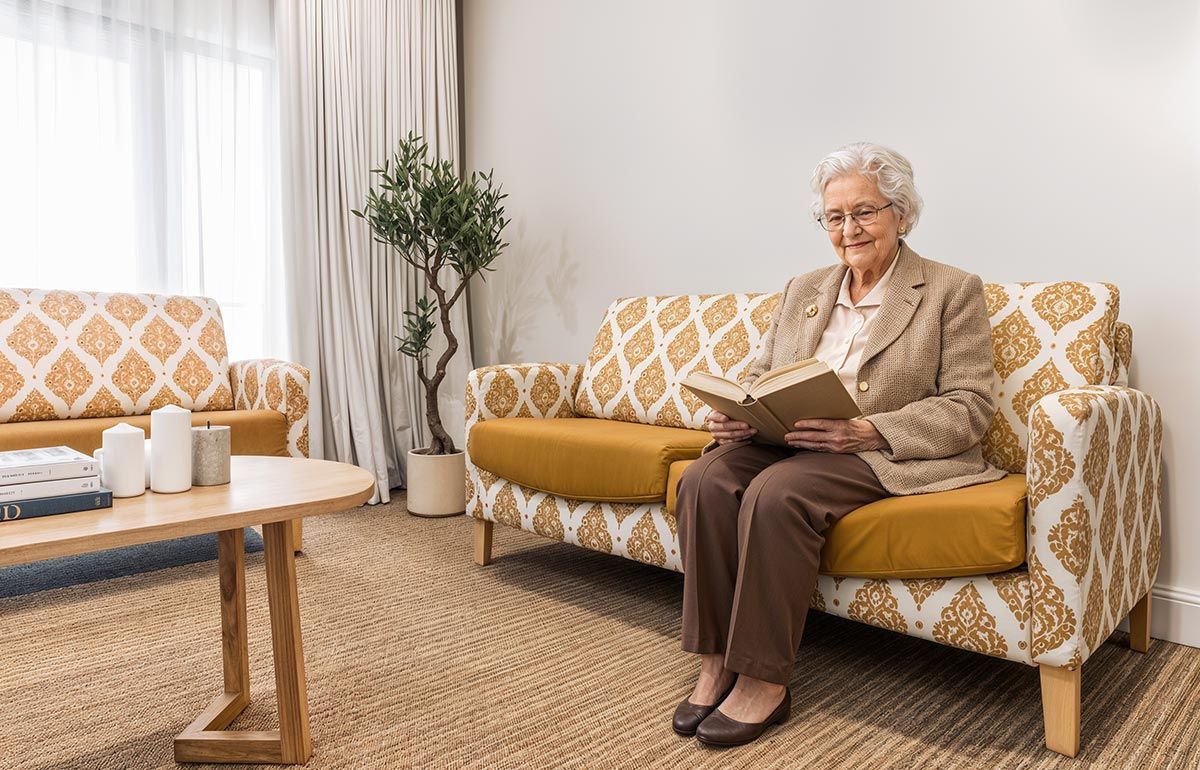
One of the clearest messages from the seminar was this: residents respond better to environments that feel like home — not hospitals.
That means:
-
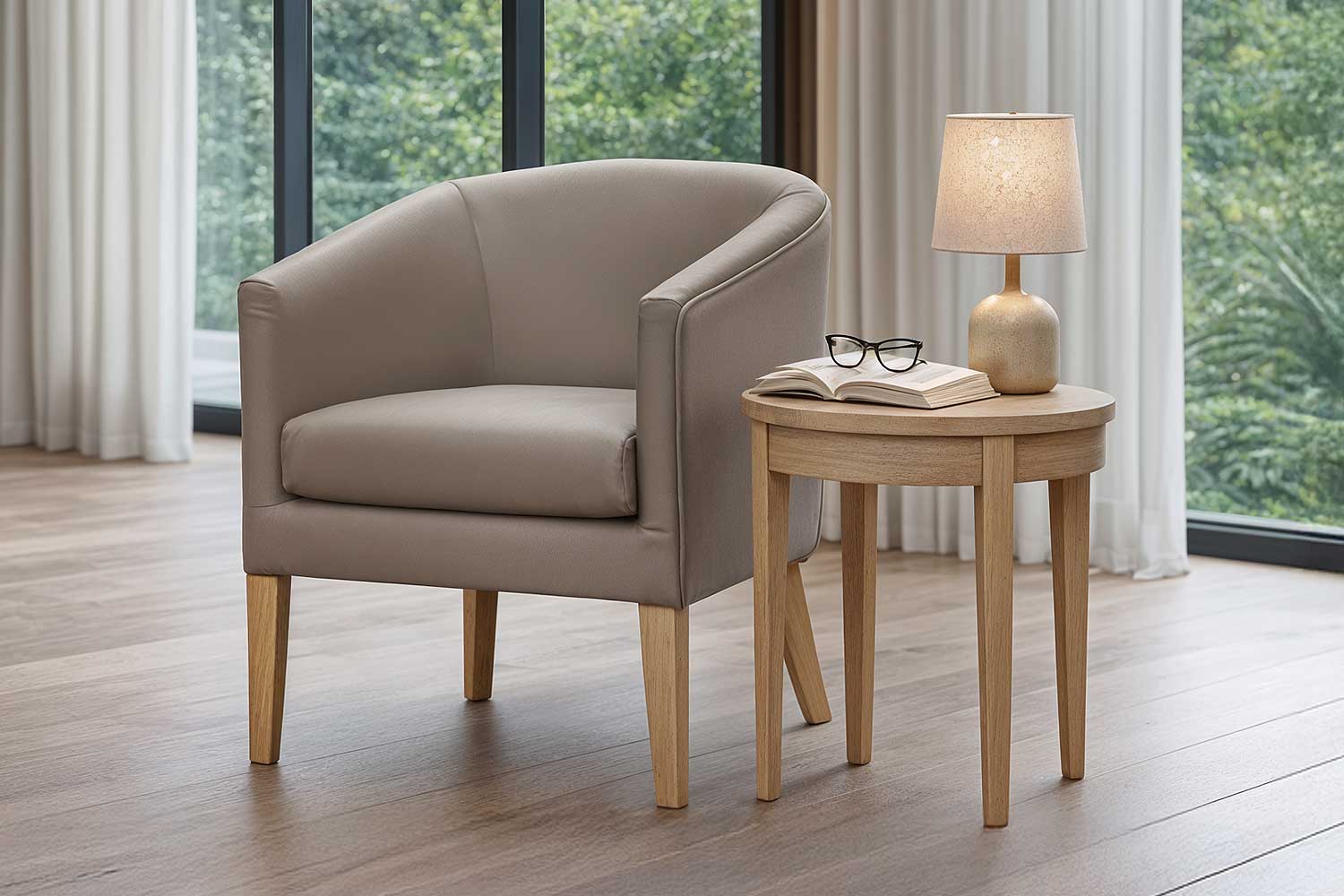
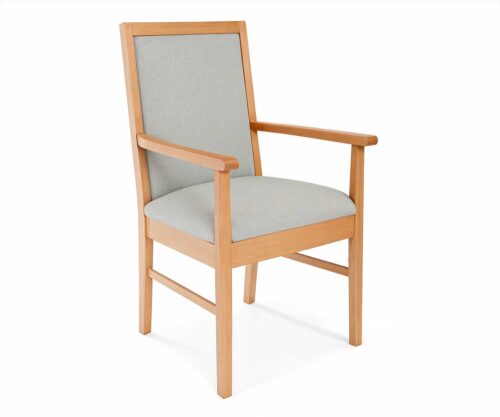
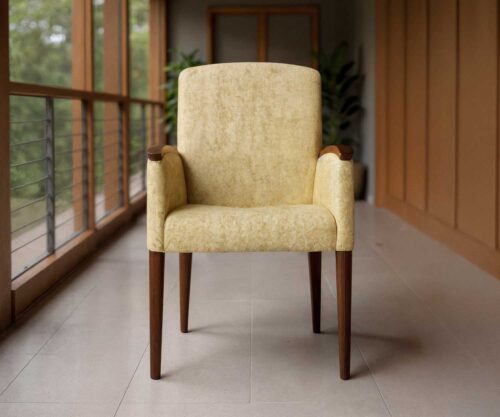
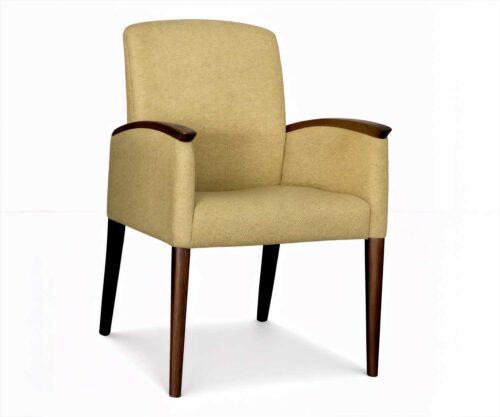
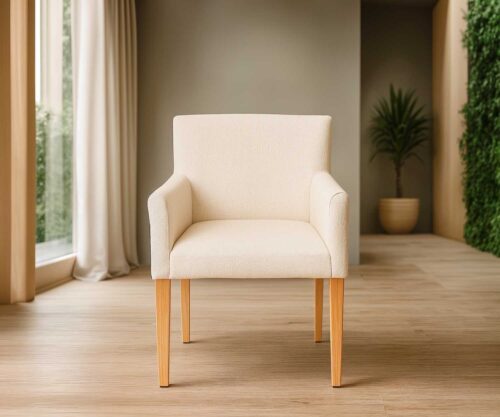
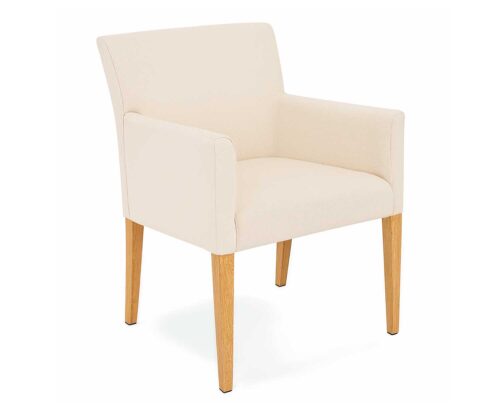
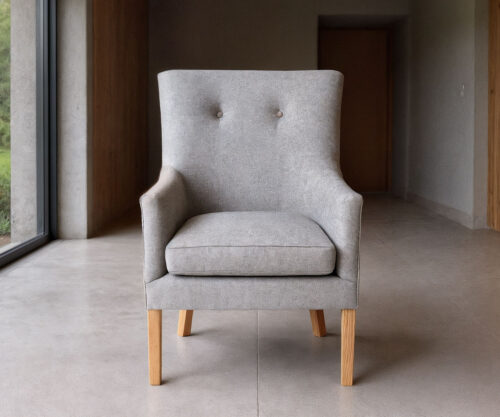
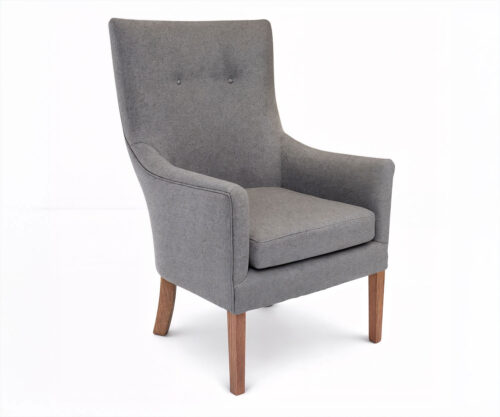
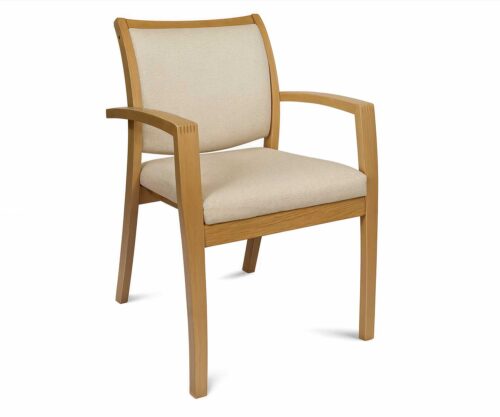
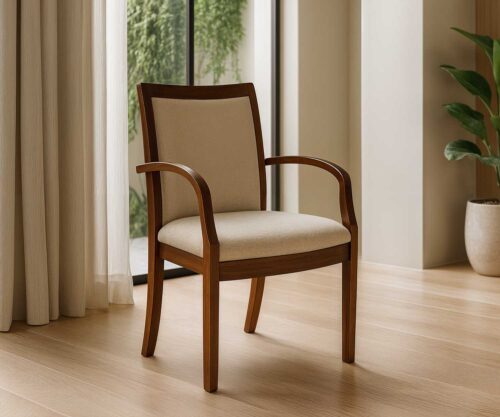
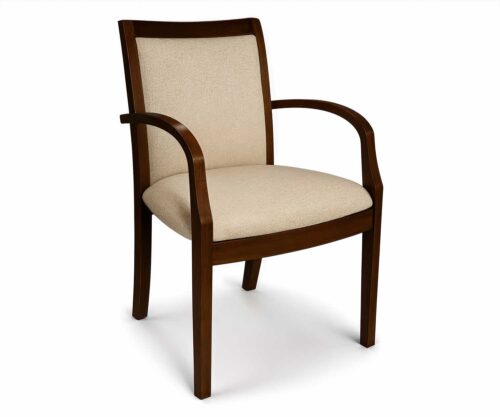
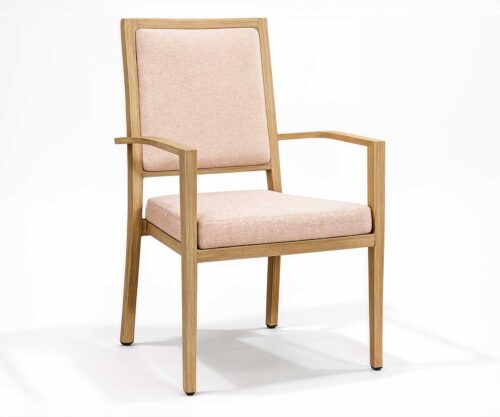
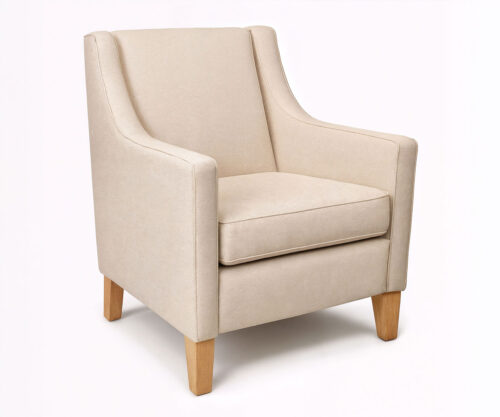
Domestic, familiar furniture shapes
-
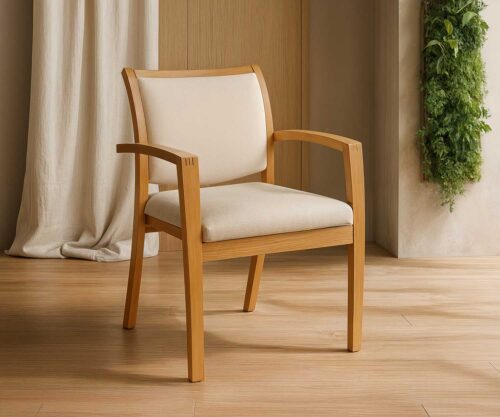
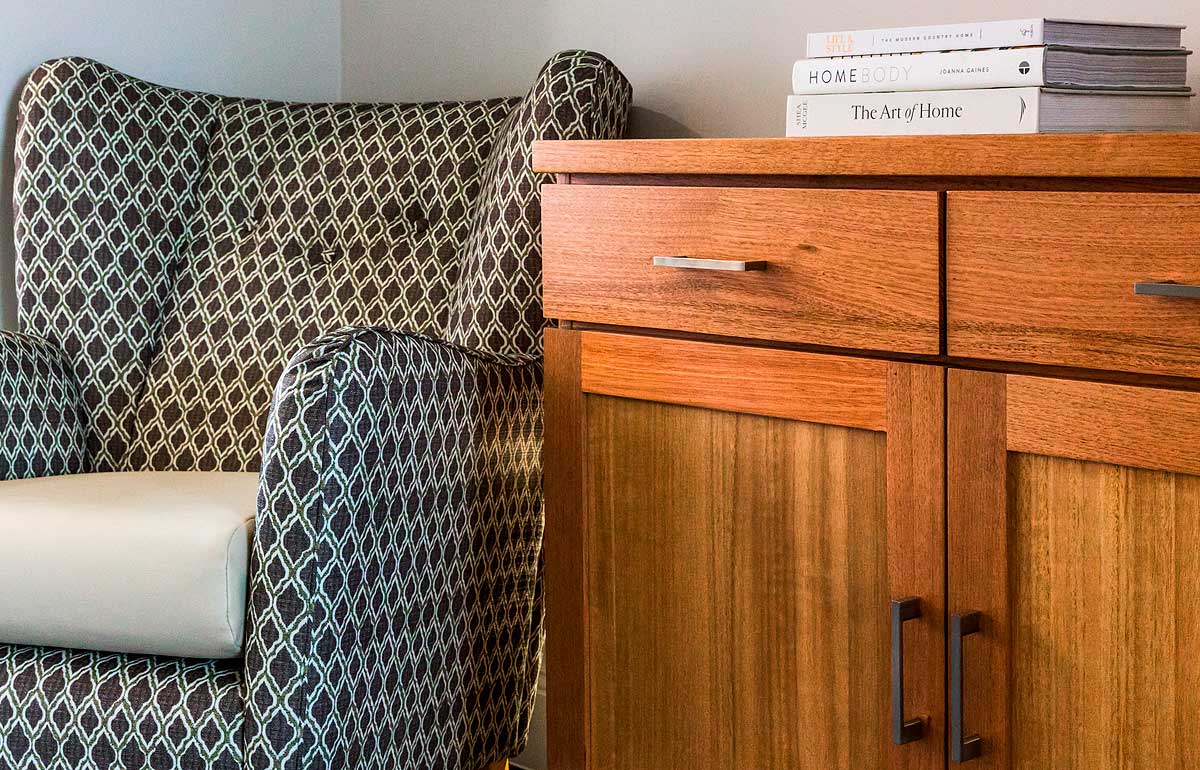
Warm timber tones
-
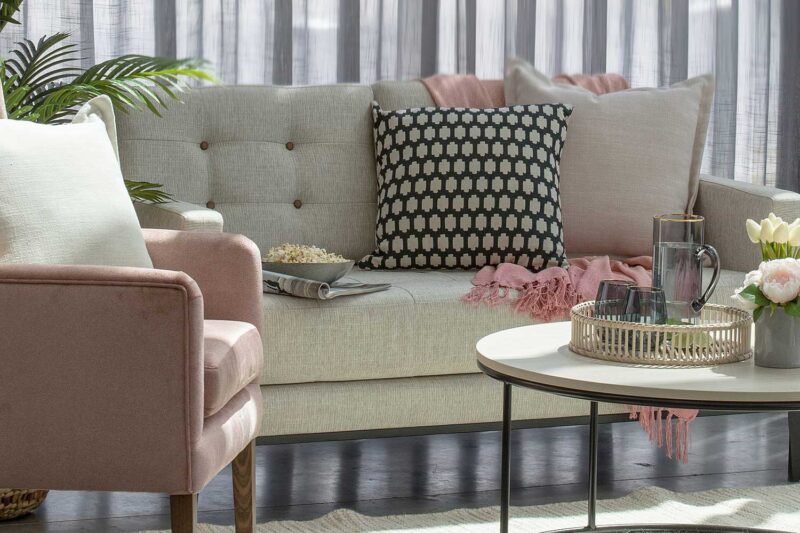
Upholstery with soft textures
-
Avoiding vinyls or clinical finishes wherever possible
Familiarity reduces anxiety, supports memory, and encourages residents to use furniture more comfortably and confidently.
For residents with advanced dementia, touch becomes a primary source of information. Soft fabrics, warm materials and comfortable shapes provide reassurance and emotional grounding.
3. Access to Outdoors: Making Nature Truly Usable
The Guidelines emphasise that residents must have meaningful access to outdoor areas — not just doors that technically open, but spaces that are comfortable, safe and inviting.
Outdoor furniture plays a central role in whether these spaces are actually used.
What to consider:
-
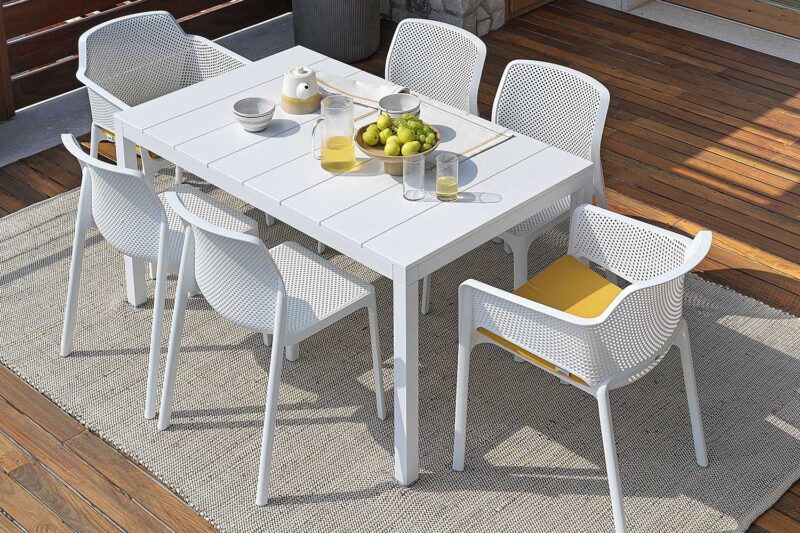
Outdoor chairs must be stable, comfortable, and easy to get in and out of.
-
Outdoor tables should be the right height and weight for social use.
-
Materials must withstand weather without feeling harsh or clinical.
-
Zones should support both quiet retreat and small-group interaction.
There is a growing industry-wide shift toward improving outdoor environments, creating a major opportunity for facilities to uplift resident wellbeing with relatively small changes.
Practical Design Considerations for Dementia-Friendly Spaces
Lighting
-
Maximise natural light wherever possible.
-
Provide higher-than-standard light levels to reduce shadows and confusion.
Flooring
-
Keep the floor tone consistent throughout.
-
Avoid sparkly, speckled or patterned flooring — often misinterpreted as holes, dirt or movement.
-
Ensure clear contrast between the floor and furniture legs.
Textures and Touch
-
Choose upholstery that feels warm, soft and familiar.
-
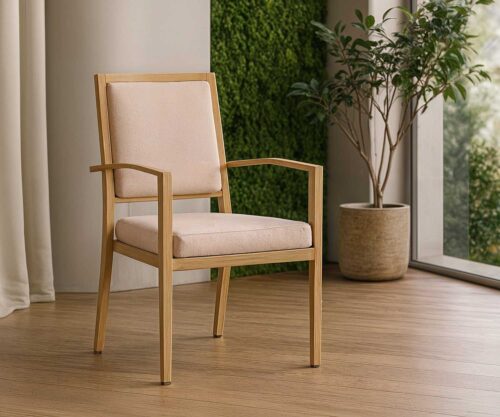
Use timber where appropriate — it feels more comfortable and intuitive than metal.
Spatial Arrangement
-
Avoid cluttered layouts that make navigation difficult.
-
Ensure clear paths and generous spacing between furniture pieces.
The Big Picture: Furniture Is Now a Core Part of Dementia-Supportive Design
The key takeaway from the seminar was simple but powerful:
Furniture directly influences three of the four National Aged Care Design Principles.
This places furniture suppliers and facility managers in a crucial partnership — working together to create spaces that support independence, wellbeing, orientation, comfort, and daily living.
As dementia design evolves, choosing the right furniture is no longer just an aesthetic decision. It’s a clinical one. A social one. A wellbeing one.
And most importantly, it’s one of the fastest, most effective ways to improve the lived experience of the people in your care.
Ready to Improve Your Furniture Strategy?
If you’d like support implementing the new Design Principles in your facility — from LRV contrast advice to layout planning to dementia-informed furniture selection — our Project Consultants are here to help. Book a discovery call today.
Let’s create spaces that feel safe, homely, and truly supportive for every resident.
Custom Furniture for Aged Care Facilities

Recent Updates

Designing for Dementia: How Furniture Shapes Independence, Comfort, and Daily Life in Aged Care
Creating supportive, homely environments for residents living with dementia is no longer optional — it’s now central to best practice in Australian aged care. As the sector moves toward the new National Aged Care Design Principles and Guidelines, it’s clear that furniture plays a far more significant role than many realise.
Recently, one of our FHG Project Consultants attended a specialist Dementia Design Seminar and shared key insights that highlight just how directly aged care furniture impacts three out of the four new Design Principles. From acoustic performance to visual contrast, from layout to outdoor access — furniture is now one of the strongest tools we have to improve residents’ quality of life.
In this article, I break down these learnings into practical recommendations you can use in your facility today.
Why Design Matters — And Why Furniture Is Central
Dementia affects memory, sensory processing, problem solving, planning and orientation. This means that everyday activities and spatial navigation require much more environmental support.
The new Design Principles reinforce that furniture is not simply decorative. It:
-
Enables independence
-
Improves comprehension and reduces anxiety
-
Supports mobility and balance
-
Shapes social engagement
-
Provides sensory comfort
-
Influences the usability of outdoor areas
With more than half of aged care residents now living with dementia, small design decisions — especially furniture decisions — can have a profound effect on wellbeing.
1. Enable Me: Supporting Independence Through Sound, Sight and Space
Acoustic Comfort
Poor acoustics increase agitation, confusion and fatigue. Furniture contributes significantly to acoustic quality by absorbing sound rather than amplifying it.
Practical tips:
-
Choose upholstered chairs and sofas over hard surfaces.
-
Avoid chairs that scrape loudly — select glides or frames that minimise noise.
-
Use soft furnishings strategically to reduce echo in dining rooms and lounges.
Tonal Contrast (LRV) and Visual Clarity
A consistent finding in dementia design is the need for strong tonal contrast. A recommended 30% Light Reflectance Value (LRV) contrast between surfaces helps residents accurately judge depth, distance, and object boundaries.
This is especially important for:
-
Seating (e.g., fabric contrasting with the flooring)
-
Tabletops
-
Bed bases
-
Handrails
-
Doorways
If a chair blends into the floor, it becomes “invisible”, increasing fall risk and making it harder for residents to sit safely.
Line of Sight and Intuitive Navigation
Furniture can act as a landmark, helping residents understand where they are and where they are going — particularly in long corridors or open-plan areas.
Design strategies:
-
Use colour or fabric variations to signal different zones.
-
Create visual destinations using a favourite armchair, plant stand or bookcase.
-
Avoid cluttered layouts that force residents to navigate tightly around furniture.
Nature Indoors and Clean Air
Planters, greenery and biophilic design support calmness, sensory engagement and a sense of orientation. Furniture that integrates plant displays or complements natural materials enhances this effect.
2. Cultivate a Home: The Power of Familiarity
One of the clearest messages from the seminar was this: residents respond better to environments that feel like home — not hospitals.
That means:
-
Domestic, familiar furniture shapes
-
Warm timber tones
-
Upholstery with soft textures
-
Avoiding vinyls or clinical finishes wherever possible
Familiarity reduces anxiety, supports memory, and encourages residents to use furniture more comfortably and confidently.
For residents with advanced dementia, touch becomes a primary source of information. Soft fabrics, warm materials and comfortable shapes provide reassurance and emotional grounding.
3. Access to Outdoors: Making Nature Truly Usable
The Guidelines emphasise that residents must have meaningful access to outdoor areas — not just doors that technically open, but spaces that are comfortable, safe and inviting.
Outdoor furniture plays a central role in whether these spaces are actually used.
What to consider:
-
Outdoor chairs must be stable, comfortable, and easy to get in and out of.
-
Outdoor tables should be the right height and weight for social use.
-
Materials must withstand weather without feeling harsh or clinical.
-
Zones should support both quiet retreat and small-group interaction.
There is a growing industry-wide shift toward improving outdoor environments, creating a major opportunity for facilities to uplift resident wellbeing with relatively small changes.
Practical Design Considerations for Dementia-Friendly Spaces
Lighting
-
Maximise natural light wherever possible.
-
Provide higher-than-standard light levels to reduce shadows and confusion.
Flooring
-
Keep the floor tone consistent throughout.
-
Avoid sparkly, speckled or patterned flooring — often misinterpreted as holes, dirt or movement.
-
Ensure clear contrast between the floor and furniture legs.
Textures and Touch
-
Choose upholstery that feels warm, soft and familiar.
-
Use timber where appropriate — it feels more comfortable and intuitive than metal.
Spatial Arrangement
-
Avoid cluttered layouts that make navigation difficult.
-
Ensure clear paths and generous spacing between furniture pieces.
The Big Picture: Furniture Is Now a Core Part of Dementia-Supportive Design
The key takeaway from the seminar was simple but powerful:
Furniture directly influences three of the four National Aged Care Design Principles.
This places furniture suppliers and facility managers in a crucial partnership — working together to create spaces that support independence, wellbeing, orientation, comfort, and daily living.
As dementia design evolves, choosing the right furniture is no longer just an aesthetic decision. It’s a clinical one. A social one. A wellbeing one.
And most importantly, it’s one of the fastest, most effective ways to improve the lived experience of the people in your care.
Ready to Improve Your Furniture Strategy?
If you’d like support implementing the new Design Principles in your facility — from LRV contrast advice to layout planning to dementia-informed furniture selection — our Project Consultants are here to help. Book a discovery call today.
Let’s create spaces that feel safe, homely, and truly supportive for every resident.