The Chair That Broke the Brand: How Furniture Choices Quietly Create Reputational Risk
It’s rarely the big things that damage your reputation. It’s the small, visible ones—noticed at exactly the wrong moment.
A family walks into your facility for the first time. They’re already feeling uncertain, emotional, and quietly assessing everything.
They don’t see your staffing roster.
They don’t see your care plans.
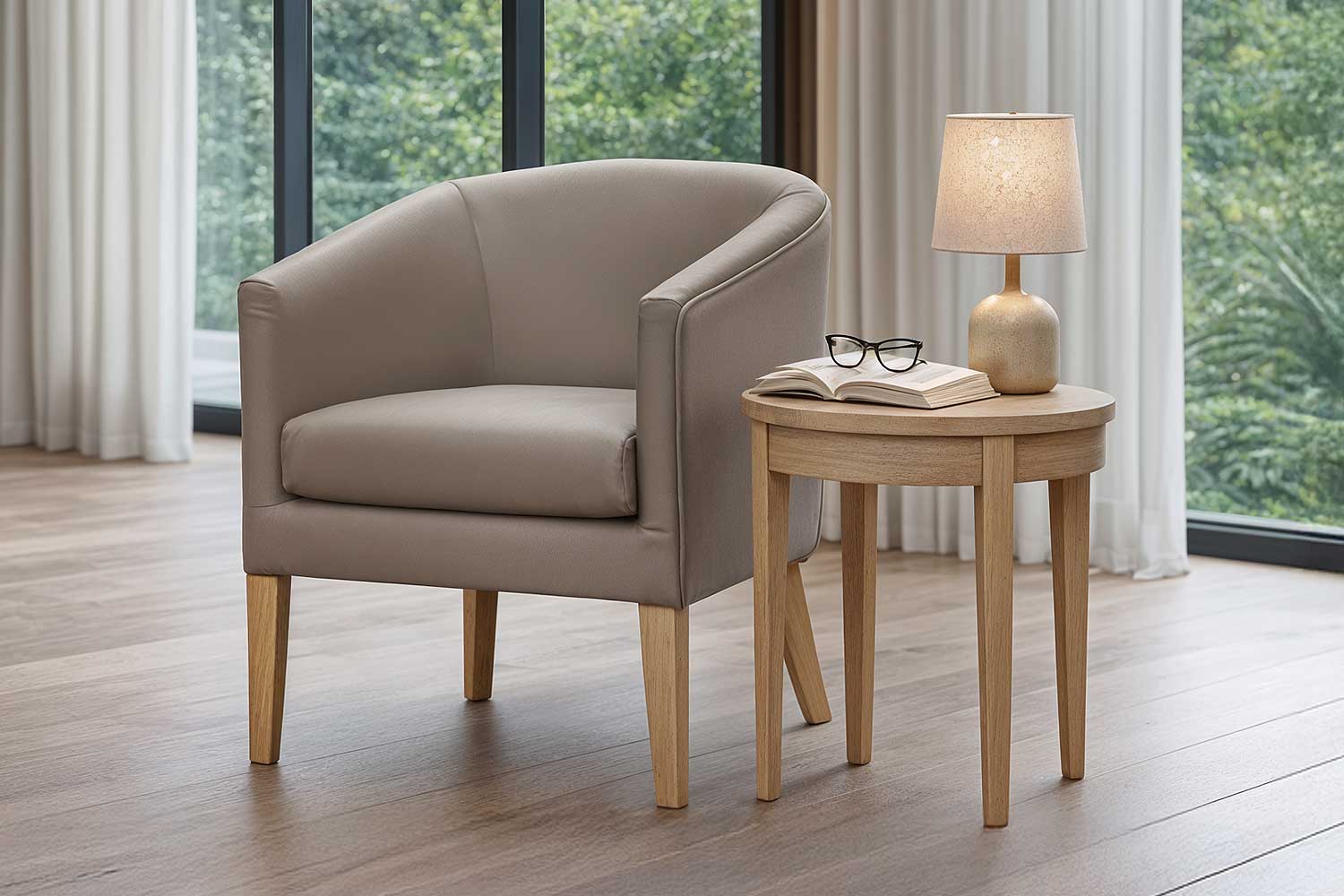
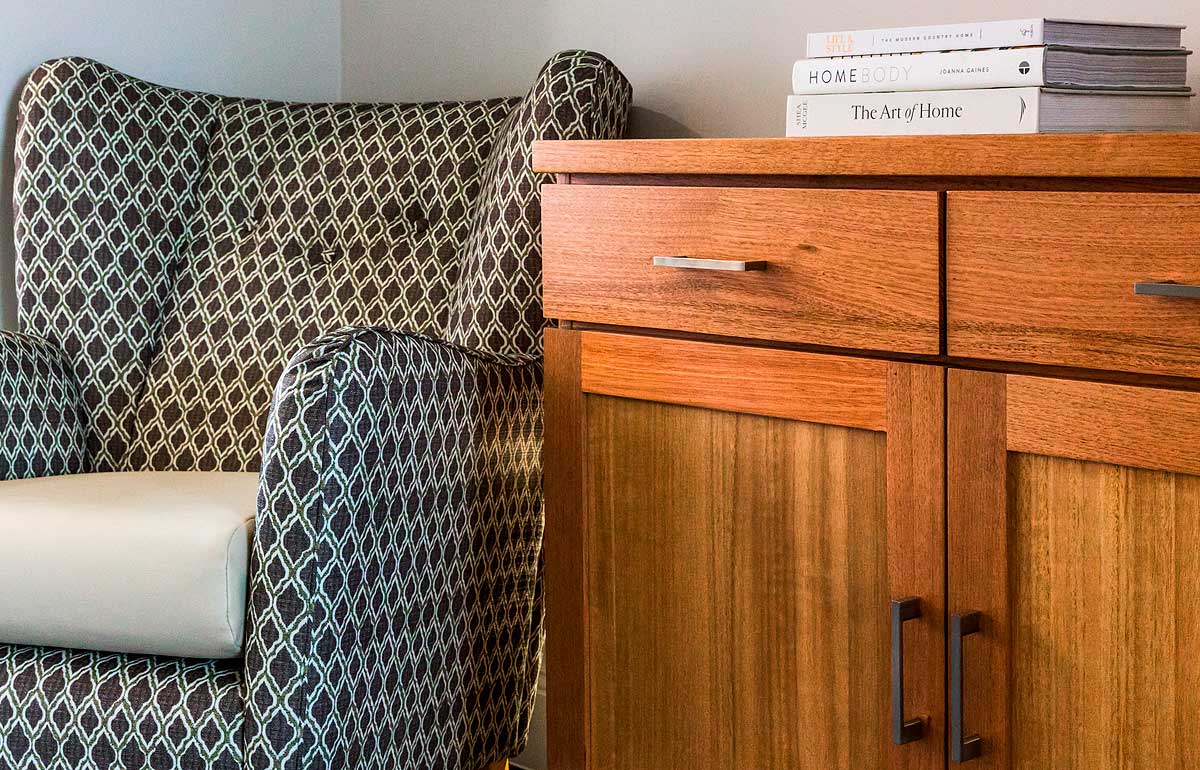
But they do see the chair in the corner.
It’s worn. Slightly unstable. The fabric is tired. It doesn’t quite belong.
And in that moment, fairly or unfairly, they make a judgement.
The Risk You Can’t Afford to Overlook
In aged care and retirement living, reputational risk doesn’t always come from major incidents. Increasingly, it’s shaped by perception.
And perception is built from:
- What families see
- What residents experience daily
- What feels “right”… or doesn’t
Furniture sits right at the centre of this.
It’s touched, used, leaned on, and noticed—every single day.
When it’s right, no one comments.
When it’s wrong, it quietly undermines everything else.
Why Furniture Becomes a Reputational Liability
Most facilities don’t intend to create risk through furniture. It happens gradually.
Here’s where it starts:
1. The Slow Decline Problem
Furniture rarely fails in a way that forces immediate action. Instead, it declines slowly and that’s exactly what makes it risky.
What starts as minor wear can quickly become something more noticeable:
- A chair that no longer feels as firm or supportive
- Upholstery that’s thinning, pilling, or slightly discoloured
- Timber finishes that have dulled or chipped over time
Individually, these don’t always trigger replacement. But collectively, they create a space that feels tired.
The challenge is familiarity.
When you see the same environment every day, gradual decline becomes normalised. You stop noticing what a first-time visitor would pick up instantly.
Where this creates risk:
- First impressions during tours
- Family visits where comparisons are being made
- Accreditation or audit walkthroughs
Practical tip:
Build furniture condition checks into your regular maintenance schedule—not just when something breaks. Even a quarterly visual review can help you catch early signs before they become visible problems.
2. The “It Still Works” Trap
This is one of the most common (and understandable) decision-making traps in aged care and retirement living.
From an operational perspective, it makes sense:
If it’s still functional, replacing it feels hard to justify.
But from a reputational perspective, this is where risk quietly builds.
A chair might technically “work,” but still:
- Feel unstable when someone sits down
- Look visibly worn or dated
- Give the impression it’s past its usable life
And here’s the key issue: families don’t assess furniture based on functionality—they assess it based on feeling.
If something feels:
- Uncomfortable
- Unclean
- Or just “not quite right”
…it can undermine their confidence in the broader environment.
Where this creates risk:
- Resident rooms shown during tours
- Shared seating in lounges and waiting areas
- High-touch furniture used by visitors
Practical tip:
Shift your internal benchmark from “Is it still usable?” to:
“Would I feel confident if this was the first thing a family member noticed?”
If the answer is no, it’s time to prioritise it.
3. Inconsistent Spaces
Inconsistency is one of the fastest ways to create a subtle sense of unease in a facility.
It often happens over time:
- One area gets upgraded during a refurbishment
- Another area is left as-is due to budget constraints
- Additional pieces are purchased ad hoc to fill gaps
Before long, you have:
- A modern, well-designed lounge next to a dated dining space
- A mix of colours, finishes, and styles that don’t quite align
- Furniture that looks like it belongs to different facilities
To an operator, this reflects staged investment.
To a visitor, it can feel like a lack of cohesion or control.
And perception matters.
Inconsistent environments can lead families to wonder:
- What else isn’t consistent here?
- Are some areas prioritised over others?
- Is there a clear standard being maintained?
Where this creates risk:
- Transitions between spaces (corridors into lounges, etc.)
- Facilities with multiple wings or stages of development
- Areas that have been partially upgraded
Practical tip:
You don’t need to upgrade everything at once—but you do need a plan.
- Establish a clear design direction (colours, finishes, styles)
- Standardise key furniture pieces where possible
- Ensure new additions align with existing or future upgrades
Consistency builds confidence—even when upgrades are staged.
4. The Institutional Shortcut
In trying to reduce maintenance issues or extend lifespan, some facilities unintentionally create a different kind of problem.
The thinking is often:
“Let’s choose the most durable, easiest-to-clean option.”
But this can lead to:
- Hard, clinical finishes
- Limited texture or softness
- Furniture that feels more functional than comfortable
While these choices may perform operationally, they can come at a cost:
They change how the environment feels.
And in aged care and retirement living, feeling matters.
Residents want:
- Comfort
- Familiarity
- A sense of home
Families are looking for:
- Warmth
- Care
- Reassurance that their loved one will feel settled
When furniture leans too far toward “institutional,” it can:
- Create emotional disconnect
- Make spaces feel less inviting
- Reinforce negative perceptions of aged care environments
Where this creates risk:
- First impressions during tours
- Resident satisfaction and wellbeing
- Family confidence in long-term placement decisions
Practical tip:
The goal isn’t to choose between homely and durable—it’s to achieve both.
Look for:
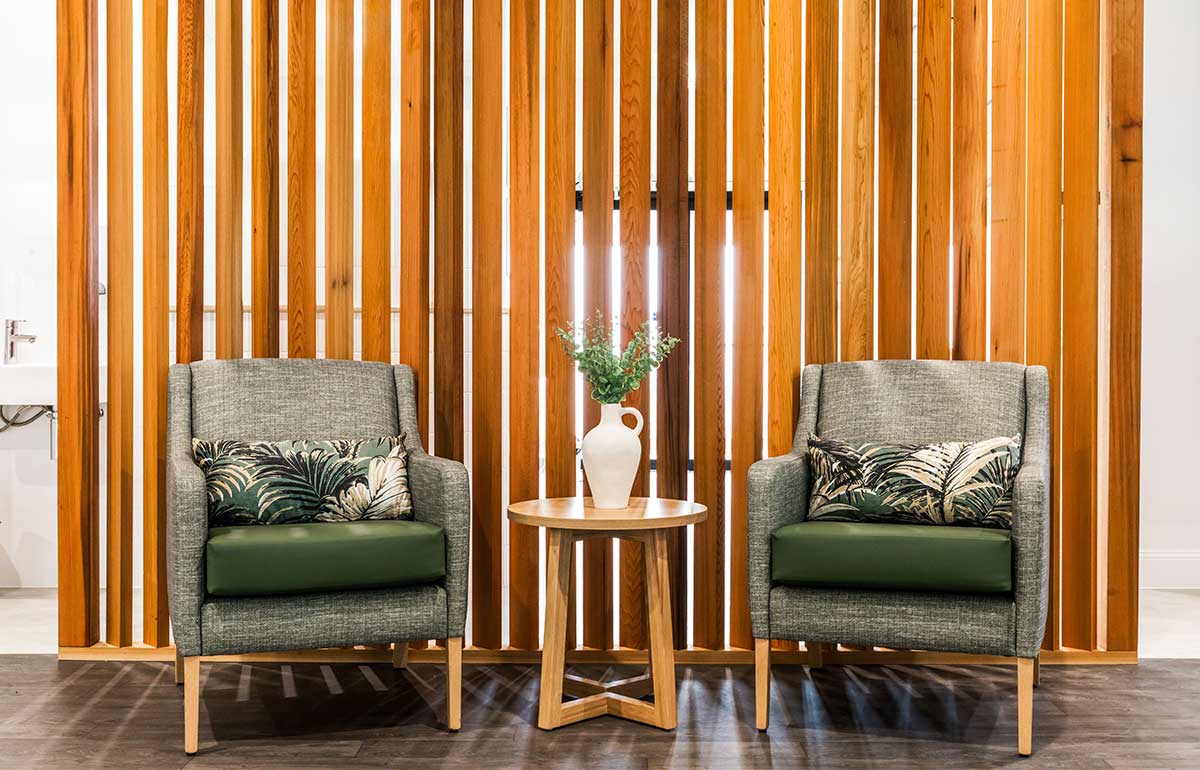
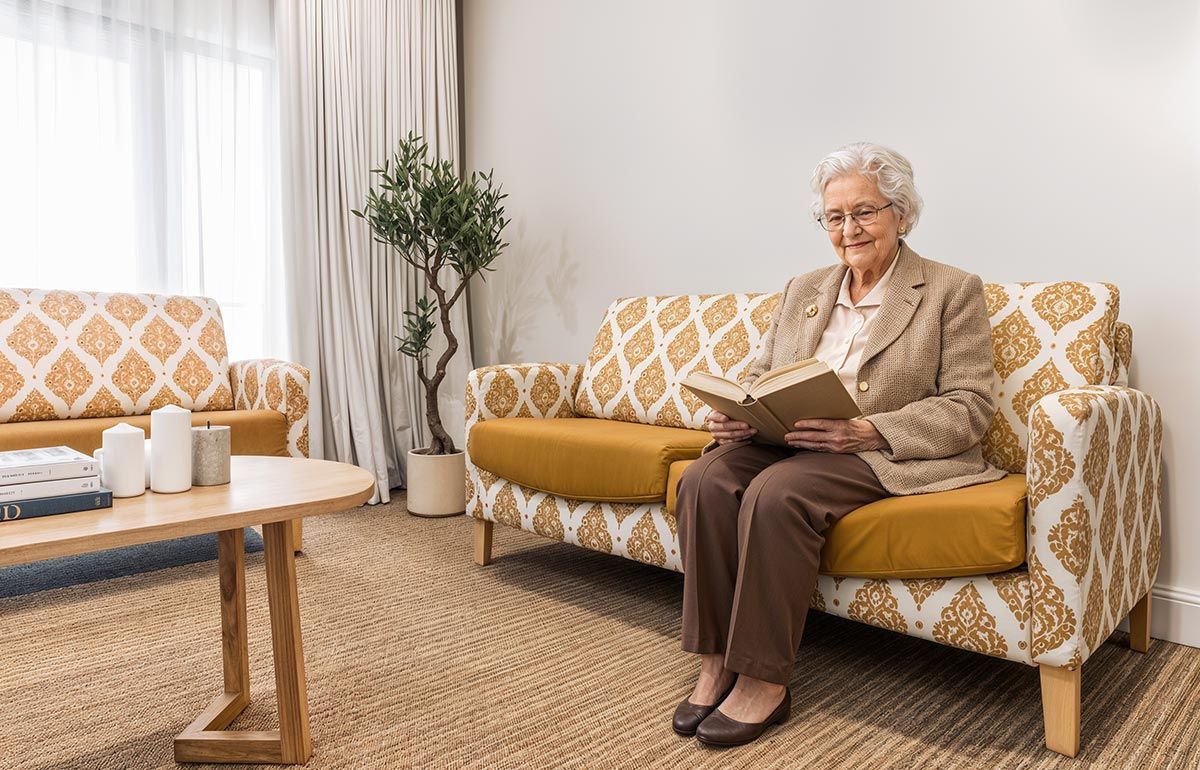
- Commercial-grade furniture with residential aesthetics
- Soft finishes that are still easy to maintain
- Designs that prioritise comfort without compromising performance
This is where the right supplier makes a significant difference—guiding you toward options that meet both operational and emotional needs.
What Families Actually Notice (But Rarely Say)
From experience, families tend to pick up on:
- Chairs that feel unstable when they sit down
- Furniture that looks difficult to clean
- Spaces that feel mismatched or dated
- A lack of warmth or softness in shared areas
- High-use items that look worn compared to the rest of the facility
They may not articulate it clearly.
But it shapes how they feel—and whether they trust you.
The 10-Minute Visitor Walkthrough: Spot Risk Before It Spots You
You don’t need a full audit or a consultant to identify what families—and residents—notice first. Sometimes, all it takes is 10 minutes and a fresh perspective.
Here’s how to do it:
Step 1: Adopt the Visitor Mindset
Walk your facility as if it’s your first time there. Pretend you’re a family member or a prospective resident:
- What stands out immediately?
- What feels welcoming—or cold?
- Which areas make you feel confident, and which make you hesitate?
The key is empathy. You’re not judging staff or operations—you’re assessing perception.
Step 2: Focus on High-Impact Zones
You don’t need to inspect every room. Families notice certain spaces more than others:
- Reception and entry points: First impressions set the tone. Is it warm, clean, and organised?
- Common areas: Lounges, dining rooms, and corridors are used constantly. Worn furniture or mismatched décor stands out here.
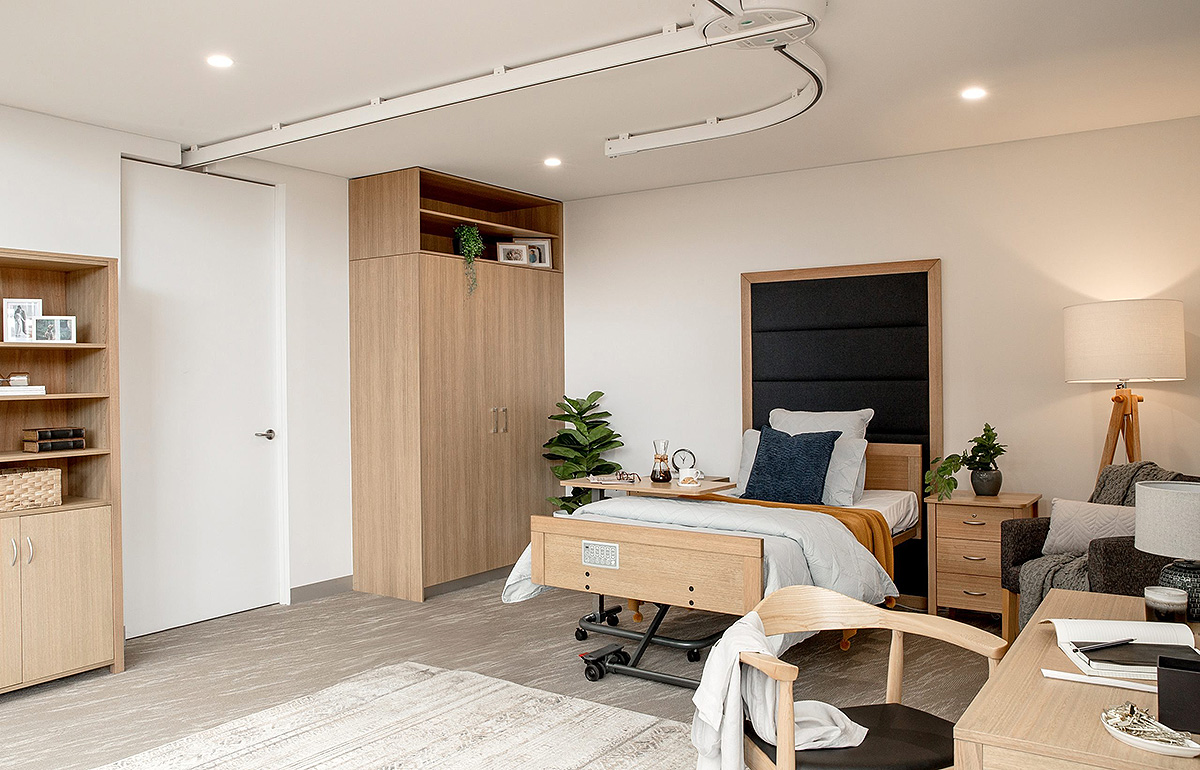
- Resident rooms: Check that everything feels comfortable, functional, and maintained.
Step 3: Take a Critical Eye to Furniture
Furniture isn’t just decoration—it communicates quality, safety, and care:
- Are chairs stable and comfortable?
- Are tables and benches easy to clean and maintain?
- Does the overall style feel cohesive—or haphazard?
Even small inconsistencies can subtly erode trust.
Step 4: Ask the Right Questions
As you walk, mentally note:
- Would I feel confident leaving my loved one here?
- Does this space feel cared for and safe?
- Would I notice any worn, mismatched, or dated furniture?
If the answer is “no” even once, it’s a potential risk.
Step 5: Document Quick Wins
Before finishing, jot down immediate observations and opportunities:
- Replace the chairs that wobble or show wear
- Realign mismatched furniture or décor
- Upgrade small, highly visible areas that families interact with first
These small improvements often make a big impact on perception and risk reduction.
Why It Works
This method works because it shifts your perspective. Instead of seeing the facility as “home” or “routine,” you see it as outsiders do. That’s where reputational risk lives—and where you can neutralise it before it becomes a complaint or a negative impression.
Practical Ways to Reduce Reputational Risk
You don’t need a full refurbishment to make meaningful improvements.
Start here:
Prioritise High-Visibility Areas
Focus on spaces that shape first impressions:
- Reception
- Main lounge areas
- Dining rooms
Standardise Where You Can
Consistency builds confidence.
- Align styles, finishes, and fabrics
- Avoid mixing too many product types
- Create a cohesive look across spaces
Upgrade Strategically (Not All at Once)
A staged approach works well:
- Replace the most worn or visible items first
- Group upgrades by area
- Plan forward to avoid reactive decisions
Specify for Both Comfort and Durability
You don’t have to choose between the two.
Look for:
- Supportive, stable seating
- Residential-style aesthetics
- Commercial-grade performance
Work With a Supplier Who Understands Your Environment
This is where many facilities reduce risk significantly.
A supplier who understands aged care and retirement living will:
- Help you balance homeliness and performance
- Guide material and design decisions
- Support consistency across projects
- Consider long-term lifecycle—not just upfront cost
The Bottom Line
Reputational risk isn’t always loud.
Sometimes, it’s a quiet moment in a lounge room.
A first impression that doesn’t feel quite right.
A chair that tells the wrong story.
And once that impression is formed, it’s hard to undo.
Where to From Here?
If you’re unsure where your risks sit, start with a walkthrough. You’ll likely identify more than you expect.
And if you want a second set of eyes, that’s where we can help.
At FHG, we work with aged care and retirement living operators to create environments that not only perform but feel right to the people who matter most. Ask us how to get started.
Quality Australian Made Furniture for Aged Care and Retirement Living
Recent Updates

The Chair That Broke the Brand: How Furniture Choices Quietly Create Reputational Risk
It’s rarely the big things that damage your reputation. It’s the small, visible ones—noticed at exactly the wrong moment.
A family walks into your facility for the first time. They’re already feeling uncertain, emotional, and quietly assessing everything.
They don’t see your staffing roster.
They don’t see your care plans.
But they do see the chair in the corner.
It’s worn. Slightly unstable. The fabric is tired. It doesn’t quite belong.
And in that moment, fairly or unfairly, they make a judgement.
The Risk You Can’t Afford to Overlook
In aged care and retirement living, reputational risk doesn’t always come from major incidents. Increasingly, it’s shaped by perception.
And perception is built from:
- What families see
- What residents experience daily
- What feels “right”… or doesn’t
Furniture sits right at the centre of this.
It’s touched, used, leaned on, and noticed—every single day.
When it’s right, no one comments.
When it’s wrong, it quietly undermines everything else.
Why Furniture Becomes a Reputational Liability
Most facilities don’t intend to create risk through furniture. It happens gradually.
Here’s where it starts:
1. The Slow Decline Problem
Furniture rarely fails in a way that forces immediate action. Instead, it declines slowly and that’s exactly what makes it risky.
What starts as minor wear can quickly become something more noticeable:
- A chair that no longer feels as firm or supportive
- Upholstery that’s thinning, pilling, or slightly discoloured
- Timber finishes that have dulled or chipped over time
Individually, these don’t always trigger replacement. But collectively, they create a space that feels tired.
The challenge is familiarity.
When you see the same environment every day, gradual decline becomes normalised. You stop noticing what a first-time visitor would pick up instantly.
Where this creates risk:
- First impressions during tours
- Family visits where comparisons are being made
- Accreditation or audit walkthroughs
Practical tip:
Build furniture condition checks into your regular maintenance schedule—not just when something breaks. Even a quarterly visual review can help you catch early signs before they become visible problems.
2. The “It Still Works” Trap
This is one of the most common (and understandable) decision-making traps in aged care and retirement living.
From an operational perspective, it makes sense:
If it’s still functional, replacing it feels hard to justify.
But from a reputational perspective, this is where risk quietly builds.
A chair might technically “work,” but still:
- Feel unstable when someone sits down
- Look visibly worn or dated
- Give the impression it’s past its usable life
And here’s the key issue: families don’t assess furniture based on functionality—they assess it based on feeling.
If something feels:
- Uncomfortable
- Unclean
- Or just “not quite right”
…it can undermine their confidence in the broader environment.
Where this creates risk:
- Resident rooms shown during tours
- Shared seating in lounges and waiting areas
- High-touch furniture used by visitors
Practical tip:
Shift your internal benchmark from “Is it still usable?” to:
“Would I feel confident if this was the first thing a family member noticed?”
If the answer is no, it’s time to prioritise it.
3. Inconsistent Spaces
Inconsistency is one of the fastest ways to create a subtle sense of unease in a facility.
It often happens over time:
- One area gets upgraded during a refurbishment
- Another area is left as-is due to budget constraints
- Additional pieces are purchased ad hoc to fill gaps
Before long, you have:
- A modern, well-designed lounge next to a dated dining space
- A mix of colours, finishes, and styles that don’t quite align
- Furniture that looks like it belongs to different facilities
To an operator, this reflects staged investment.
To a visitor, it can feel like a lack of cohesion or control.
And perception matters.
Inconsistent environments can lead families to wonder:
- What else isn’t consistent here?
- Are some areas prioritised over others?
- Is there a clear standard being maintained?
Where this creates risk:
- Transitions between spaces (corridors into lounges, etc.)
- Facilities with multiple wings or stages of development
- Areas that have been partially upgraded
Practical tip:
You don’t need to upgrade everything at once—but you do need a plan.
- Establish a clear design direction (colours, finishes, styles)
- Standardise key furniture pieces where possible
- Ensure new additions align with existing or future upgrades
Consistency builds confidence—even when upgrades are staged.
4. The Institutional Shortcut
In trying to reduce maintenance issues or extend lifespan, some facilities unintentionally create a different kind of problem.
The thinking is often:
“Let’s choose the most durable, easiest-to-clean option.”
But this can lead to:
- Hard, clinical finishes
- Limited texture or softness
- Furniture that feels more functional than comfortable
While these choices may perform operationally, they can come at a cost:
They change how the environment feels.
And in aged care and retirement living, feeling matters.
Residents want:
- Comfort
- Familiarity
- A sense of home
Families are looking for:
- Warmth
- Care
- Reassurance that their loved one will feel settled
When furniture leans too far toward “institutional,” it can:
- Create emotional disconnect
- Make spaces feel less inviting
- Reinforce negative perceptions of aged care environments
Where this creates risk:
- First impressions during tours
- Resident satisfaction and wellbeing
- Family confidence in long-term placement decisions
Practical tip:
The goal isn’t to choose between homely and durable—it’s to achieve both.
Look for:
- Commercial-grade furniture with residential aesthetics
- Soft finishes that are still easy to maintain
- Designs that prioritise comfort without compromising performance
This is where the right supplier makes a significant difference—guiding you toward options that meet both operational and emotional needs.
What Families Actually Notice (But Rarely Say)
From experience, families tend to pick up on:
- Chairs that feel unstable when they sit down
- Furniture that looks difficult to clean
- Spaces that feel mismatched or dated
- A lack of warmth or softness in shared areas
- High-use items that look worn compared to the rest of the facility
They may not articulate it clearly.
But it shapes how they feel—and whether they trust you.
The 10-Minute Visitor Walkthrough: Spot Risk Before It Spots You
You don’t need a full audit or a consultant to identify what families—and residents—notice first. Sometimes, all it takes is 10 minutes and a fresh perspective.
Here’s how to do it:
Step 1: Adopt the Visitor Mindset
Walk your facility as if it’s your first time there. Pretend you’re a family member or a prospective resident:
- What stands out immediately?
- What feels welcoming—or cold?
- Which areas make you feel confident, and which make you hesitate?
The key is empathy. You’re not judging staff or operations—you’re assessing perception.
Step 2: Focus on High-Impact Zones
You don’t need to inspect every room. Families notice certain spaces more than others:
- Reception and entry points: First impressions set the tone. Is it warm, clean, and organised?
- Common areas: Lounges, dining rooms, and corridors are used constantly. Worn furniture or mismatched décor stands out here.
- Resident rooms: Check that everything feels comfortable, functional, and maintained.
Step 3: Take a Critical Eye to Furniture
Furniture isn’t just decoration—it communicates quality, safety, and care:
- Are chairs stable and comfortable?
- Are tables and benches easy to clean and maintain?
- Does the overall style feel cohesive—or haphazard?
Even small inconsistencies can subtly erode trust.
Step 4: Ask the Right Questions
As you walk, mentally note:
- Would I feel confident leaving my loved one here?
- Does this space feel cared for and safe?
- Would I notice any worn, mismatched, or dated furniture?
If the answer is “no” even once, it’s a potential risk.
Step 5: Document Quick Wins
Before finishing, jot down immediate observations and opportunities:
- Replace the chairs that wobble or show wear
- Realign mismatched furniture or décor
- Upgrade small, highly visible areas that families interact with first
These small improvements often make a big impact on perception and risk reduction.
Why It Works
This method works because it shifts your perspective. Instead of seeing the facility as “home” or “routine,” you see it as outsiders do. That’s where reputational risk lives—and where you can neutralise it before it becomes a complaint or a negative impression.
Practical Ways to Reduce Reputational Risk
You don’t need a full refurbishment to make meaningful improvements.
Start here:
Prioritise High-Visibility Areas
Focus on spaces that shape first impressions:
- Reception
- Main lounge areas
- Dining rooms
Standardise Where You Can
Consistency builds confidence.
- Align styles, finishes, and fabrics
- Avoid mixing too many product types
- Create a cohesive look across spaces
Upgrade Strategically (Not All at Once)
A staged approach works well:
- Replace the most worn or visible items first
- Group upgrades by area
- Plan forward to avoid reactive decisions
Specify for Both Comfort and Durability
You don’t have to choose between the two.
Look for:
- Supportive, stable seating
- Residential-style aesthetics
- Commercial-grade performance
Work With a Supplier Who Understands Your Environment
This is where many facilities reduce risk significantly.
A supplier who understands aged care and retirement living will:
- Help you balance homeliness and performance
- Guide material and design decisions
- Support consistency across projects
- Consider long-term lifecycle—not just upfront cost
The Bottom Line
Reputational risk isn’t always loud.
Sometimes, it’s a quiet moment in a lounge room.
A first impression that doesn’t feel quite right.
A chair that tells the wrong story.
And once that impression is formed, it’s hard to undo.
Where to From Here?
If you’re unsure where your risks sit, start with a walkthrough. You’ll likely identify more than you expect.
And if you want a second set of eyes, that’s where we can help.
At FHG, we work with aged care and retirement living operators to create environments that not only perform but feel right to the people who matter most. Ask us how to get started.