Furniture as Activism: Values-Led Design for the 2025 Aged Care Act
“Design is not just what it looks like and feels like. Design is how it works.” – Steve Jobs
When we talk about activism, most people think of protests, petitions, or campaigns. But in aged care, activism can be something far quieter — and far more powerful. The choices we make about aged care furniture, fabrics, and finishes can drive social change in a way that directly improves lives. Every chair, every table, and every communal space has the potential to either reinforce an institutional model of care or create a home-like environment that supports dignity, independence, and wellbeing.
Values-led design means putting people first — not just meeting compliance but actively choosing furniture and interiors that reflect respect, inclusivity, and care. For facility managers juggling budgets, compliance, and operational challenges, this approach can feel abstract. But in reality, it’s incredibly practical — and it’s a tool for culture change within your facility.
Here’s how you can use furniture as a form of activism in your facility today.
1. Champion Dignity Through Furniture Choices
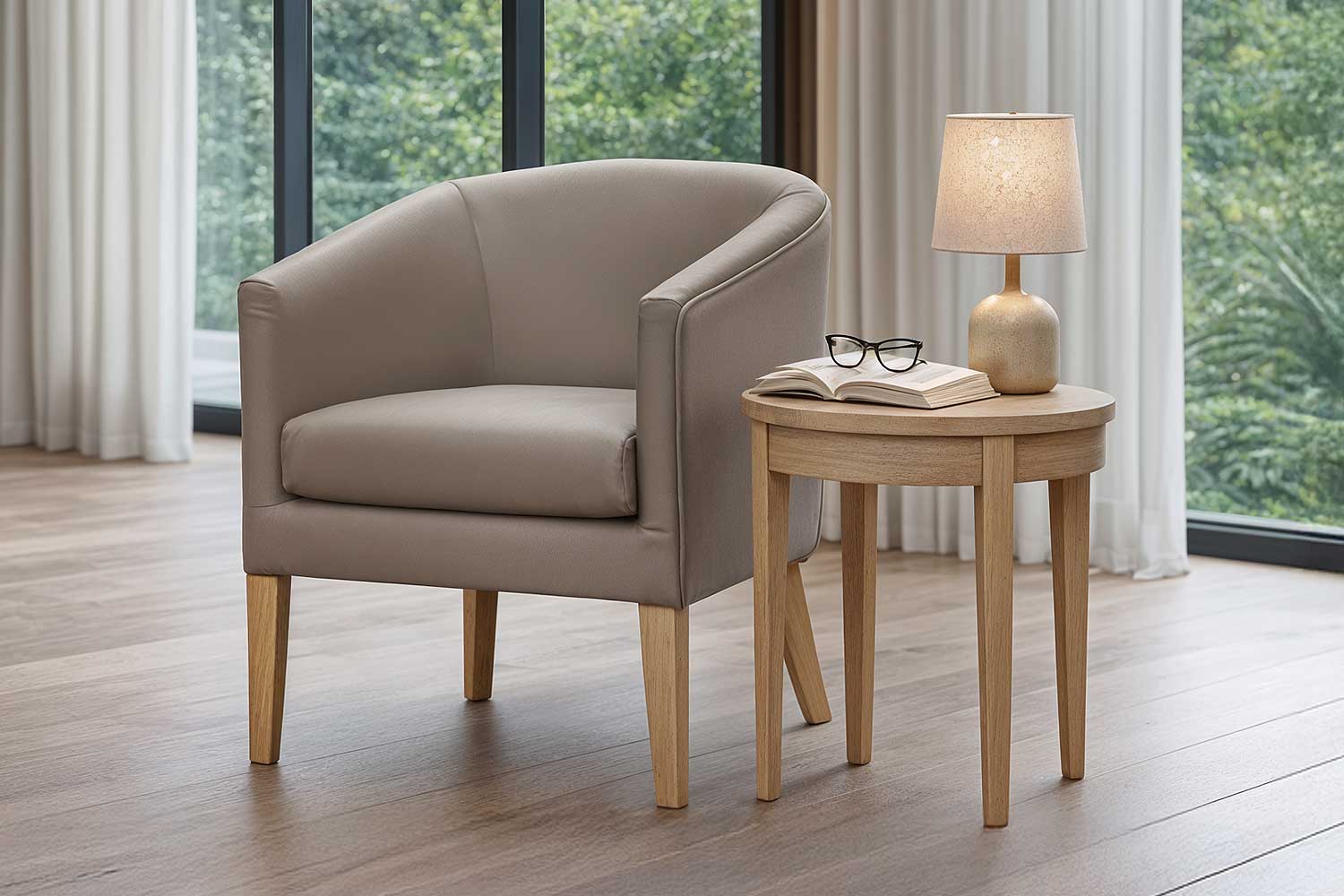
Dignity is not a “nice-to-have” in aged care; it’s at the core of the Aged Care Quality Standards. Yet furniture often undermines this principle when it looks clinical, is uncomfortable, or makes sit-to-stand transitions unnecessarily difficult. Choosing well-designed armchairs, dining chairs, and tables is a values-driven way to support residents’ independence and self-respect.
Practical Tips:
-
Seat height matters: Choose chairs in the 480–520mm range to support older adults in standing independently.
-
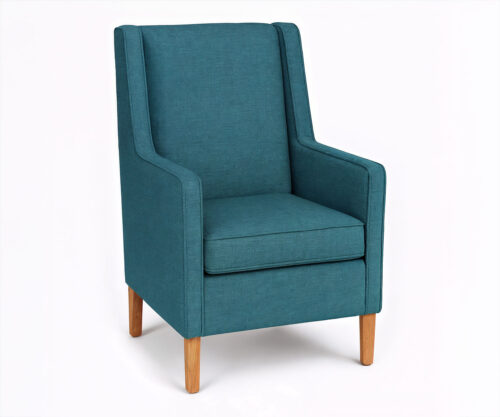
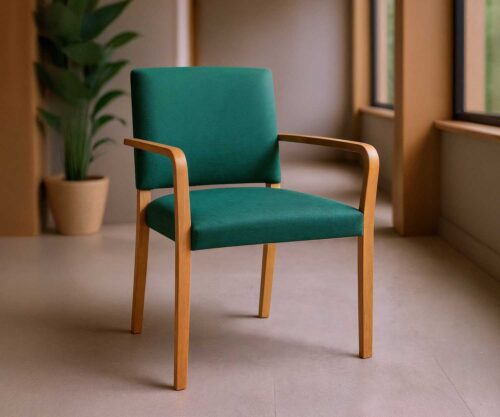
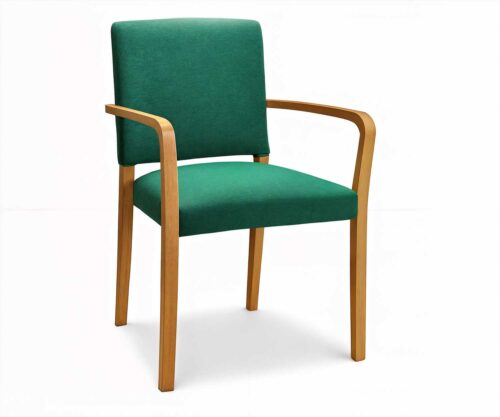
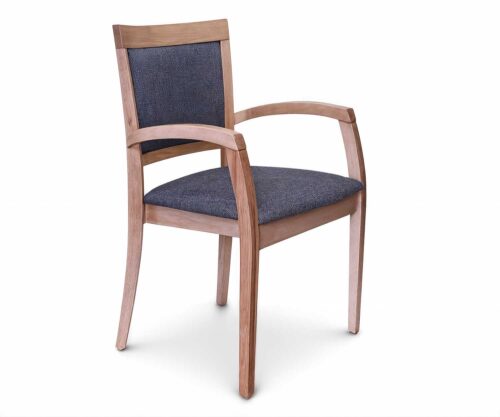
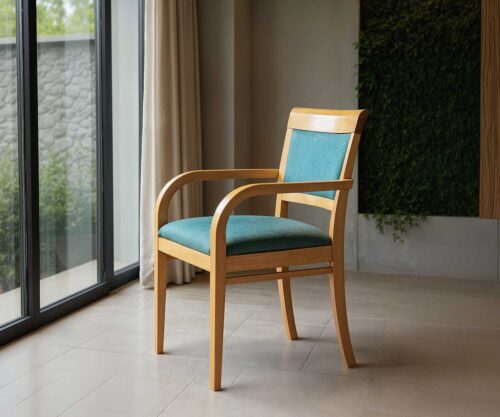
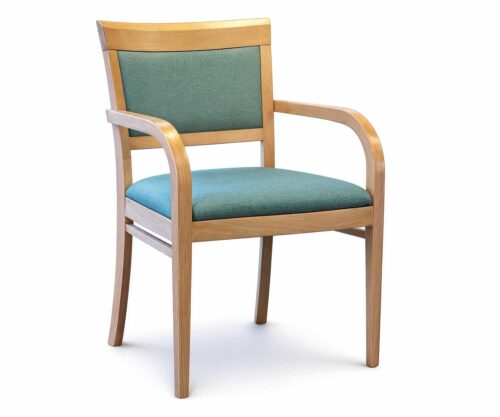
Arm support is essential: Chairs with sturdy handles reduce falls risk and build confidence.
-
Resident input counts: Trial chairs with residents before purchase; what’s comfortable for staff isn’t always right for residents.
2. Prioritise Inclusivity with Flexible Furniture Layouts
Inclusivity isn’t just about access ramps and wide corridors — it’s also about how furniture is selected and arranged. If a resident in a wheelchair can’t comfortably join a dining table, or if furniture layouts only cater to the most mobile, then exclusion is quietly built into the everyday experience. Thoughtful, flexible furniture design and placement can send a powerful message: everyone belongs, and everyone deserves equal participation in the life of the community.
Practical Tips:
-
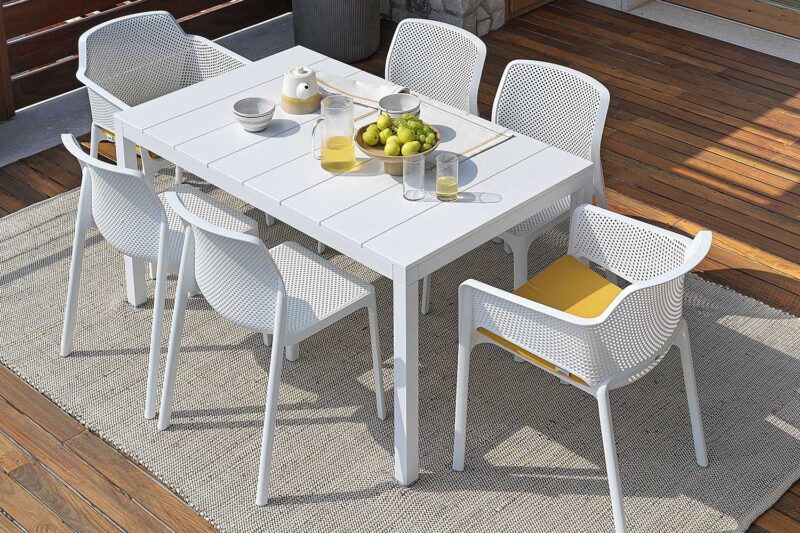
Choose adaptable dining tables: Ensure tables have clearance for wheelchairs and walkers, so no one is excluded.
-
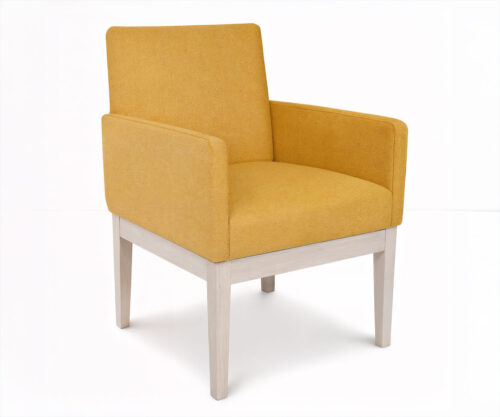
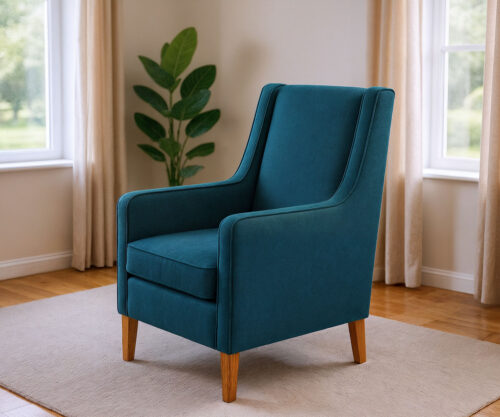
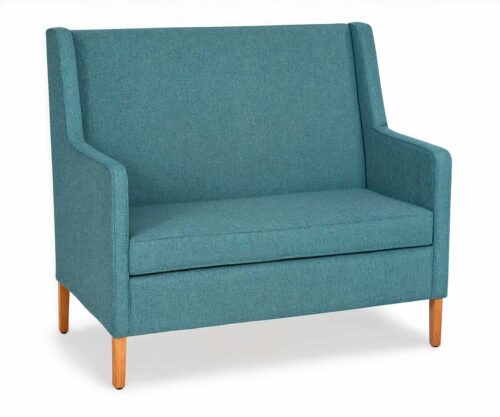
Vary seating types: Mix high-back chairs, recliners, and compact armchairs to cater for different mobility needs.
-
Create flexible zones: Use lightweight furniture that can be easily moved to make spaces inclusive for group activities, family visits, or quiet time.
3. Use Colour and Texture as Tools for Empowerment
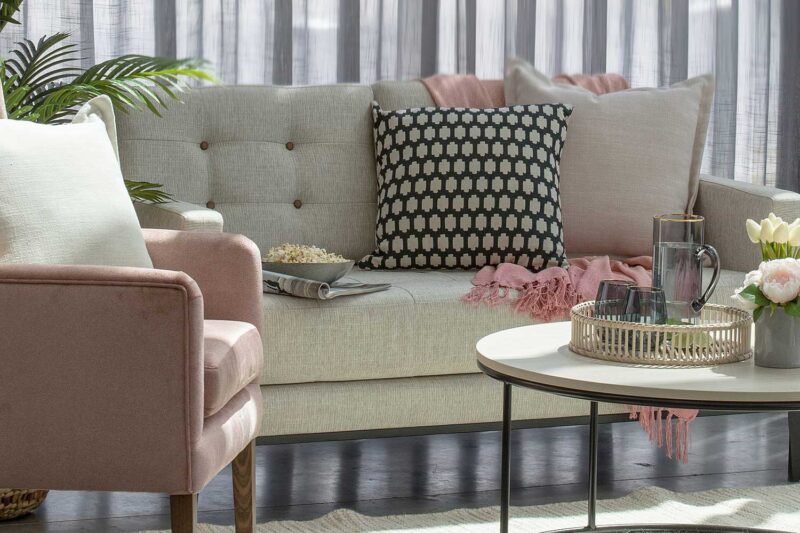
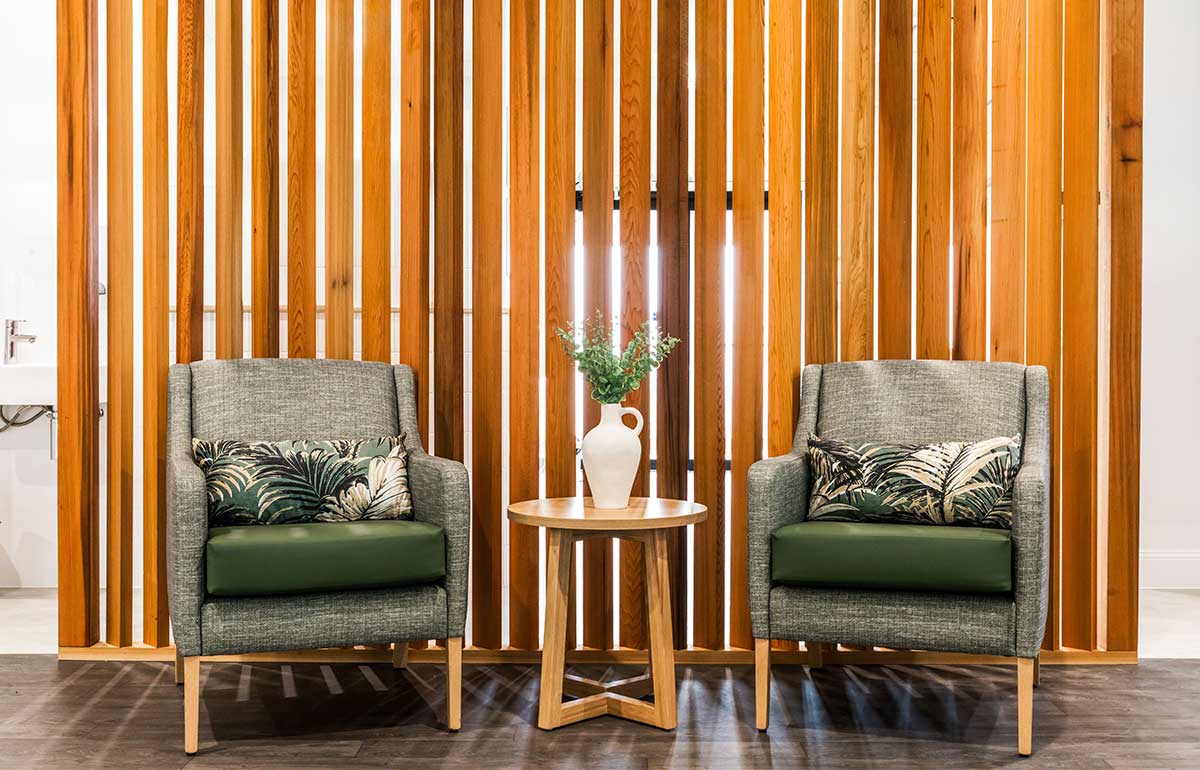
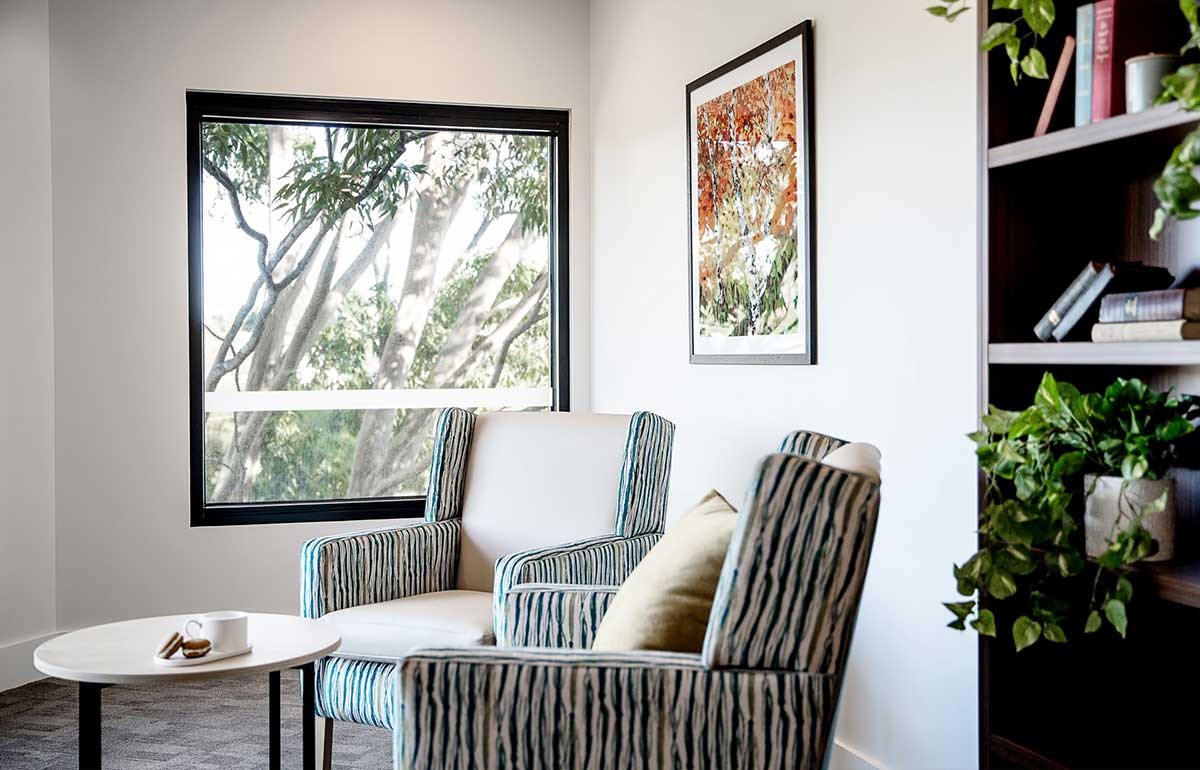
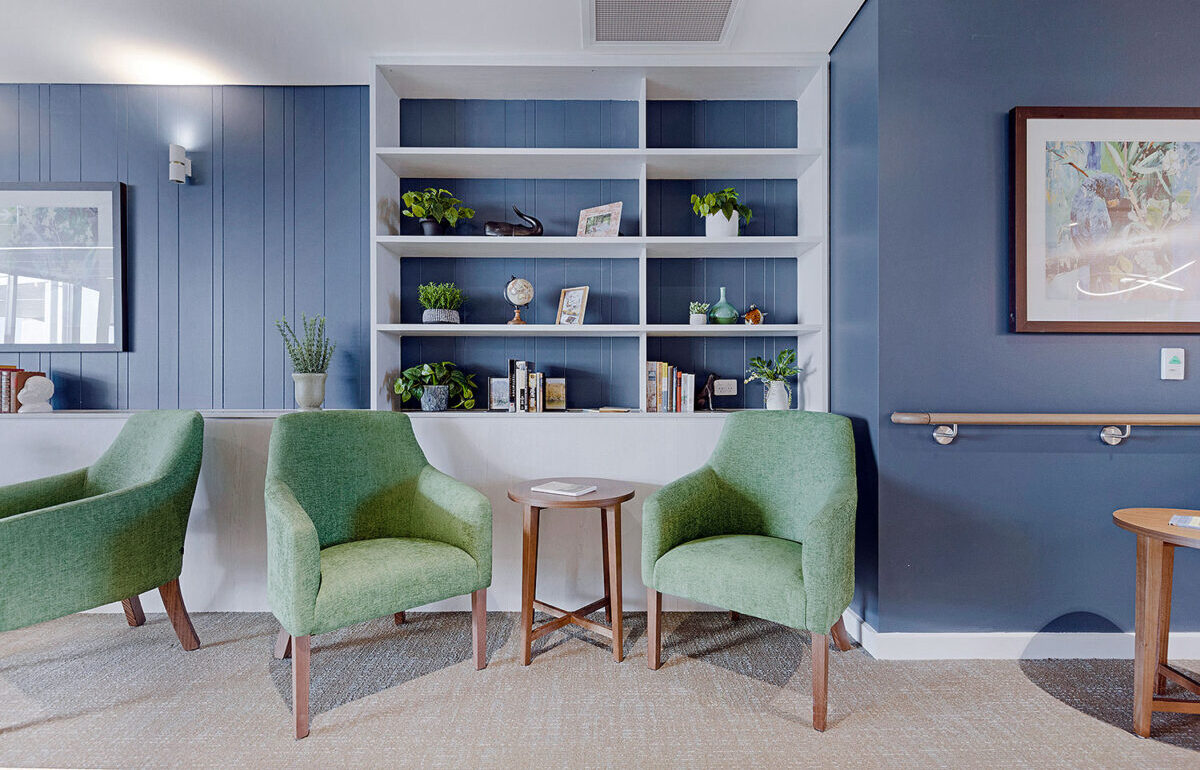
Colour and texture are too often treated as decorative afterthoughts, but they are powerful tools for empowerment in aged care settings. Beige and “safe” palettes may feel neutral, but they can strip environments of warmth and character, leaving residents feeling disconnected and unstimulated. By choosing fabrics, timbers, and finishes that are vibrant, tactile, and meaningful, facility managers can use design as a form of activism — bringing energy, clarity, and a sense of identity back into the daily lives of residents.
Practical Tips:
-
Think contrast, not clutter: Use contrasting fabric colours to make chairs easier to identify for residents with dementia.
-
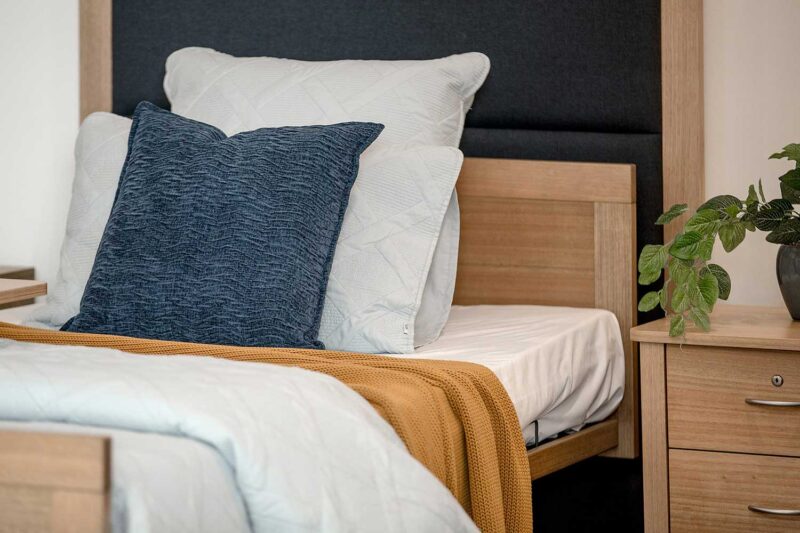
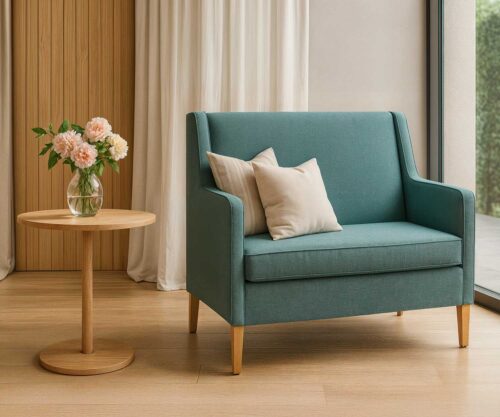
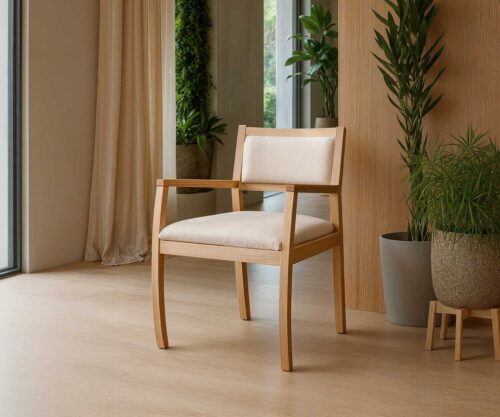
Add texture for comfort: Soft fabrics and warm timbers create a homely, dignified atmosphere.
-
Draw on culture: Consider fabrics or artworks that reflect the cultural diversity of your resident community.
4. Support Sustainability as a Form of Activism
Sustainability is no longer a buzzword — it’s a responsibility. In aged care, the furniture you select can either contribute to a throwaway culture or support long-term environmental and social responsibility. Imported, mass-produced pieces often come with hidden costs: longer lead times, lower durability, and a larger carbon footprint. By contrast, choosing Australian-made, long-lasting, sustainable furniture is an activist stance that benefits residents, staff, the environment, and the broader community.
Practical Tips:
-
Ask about lifecycle: Choose products designed to last at least 10 years with service warranties.
-
Source locally: Work with Australian manufacturers to reduce lead times and environmental impact.
-
Select durable finishes: Fabrics with healthcare-grade protection last longer and require fewer replacements.
5. Create Spaces That Encourage Social Connection
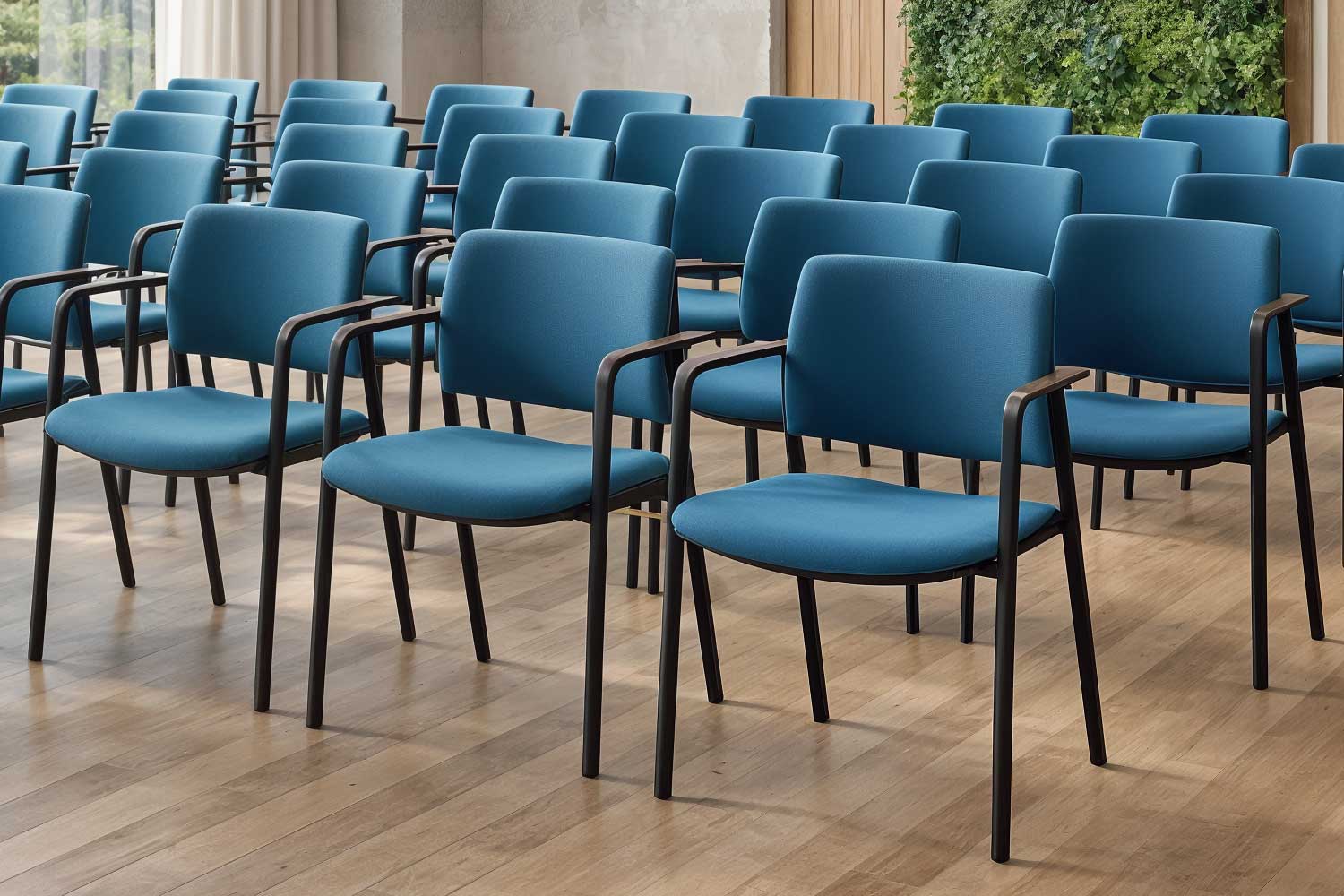
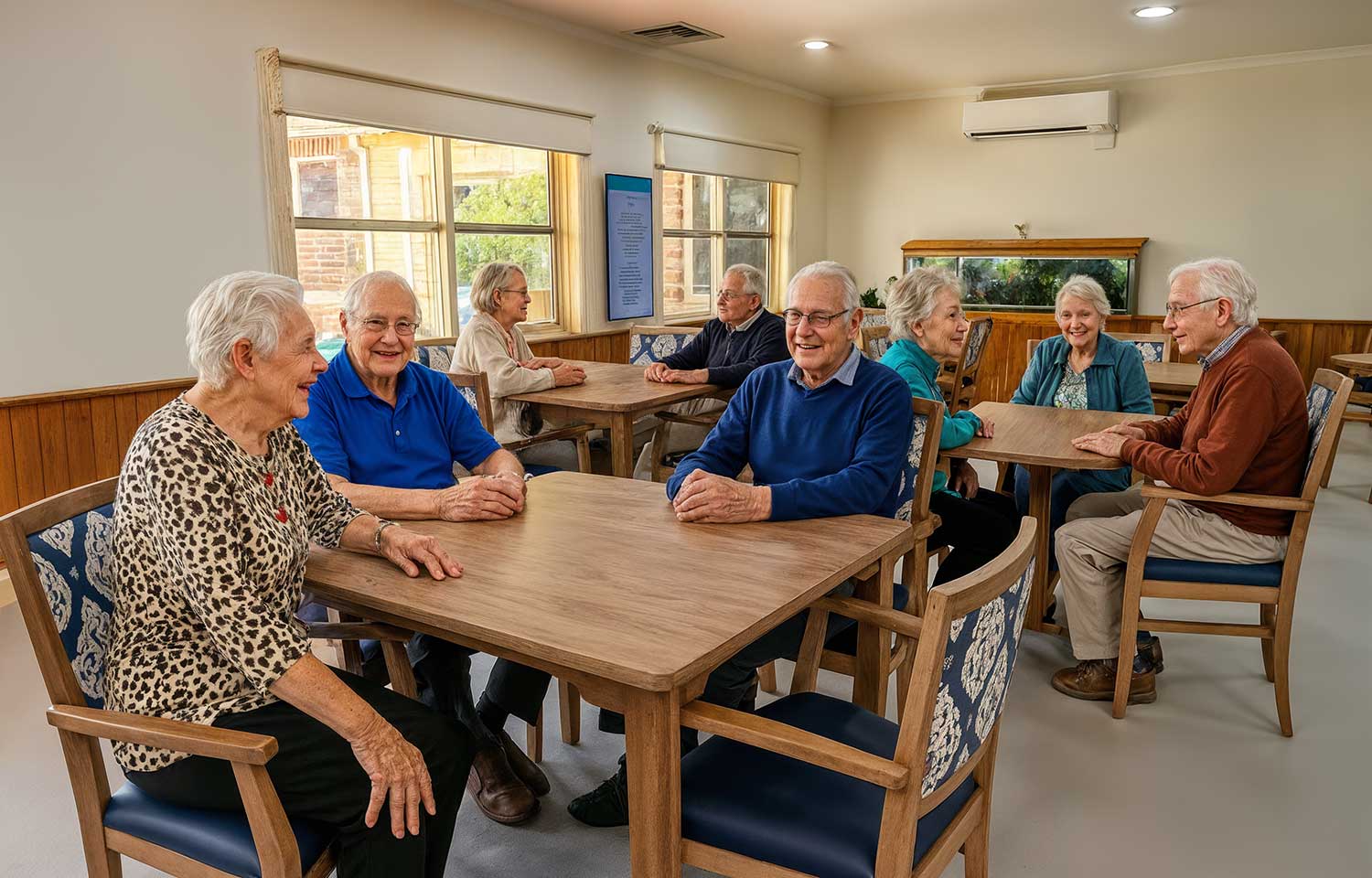
Loneliness and isolation are two of the biggest challenges facing residents in aged care communities today. Furniture can either make this worse — for example, rows of identical chairs facing a TV — or actively counteract it by encouraging connection. The way chairs, tables, and communal spaces are designed and positioned can spark conversations, create friendships, and make residents feel part of a vibrant community. Designing for connection in aged care is activism, because it directly challenges isolation and promotes wellbeing.
Practical Tips:
-
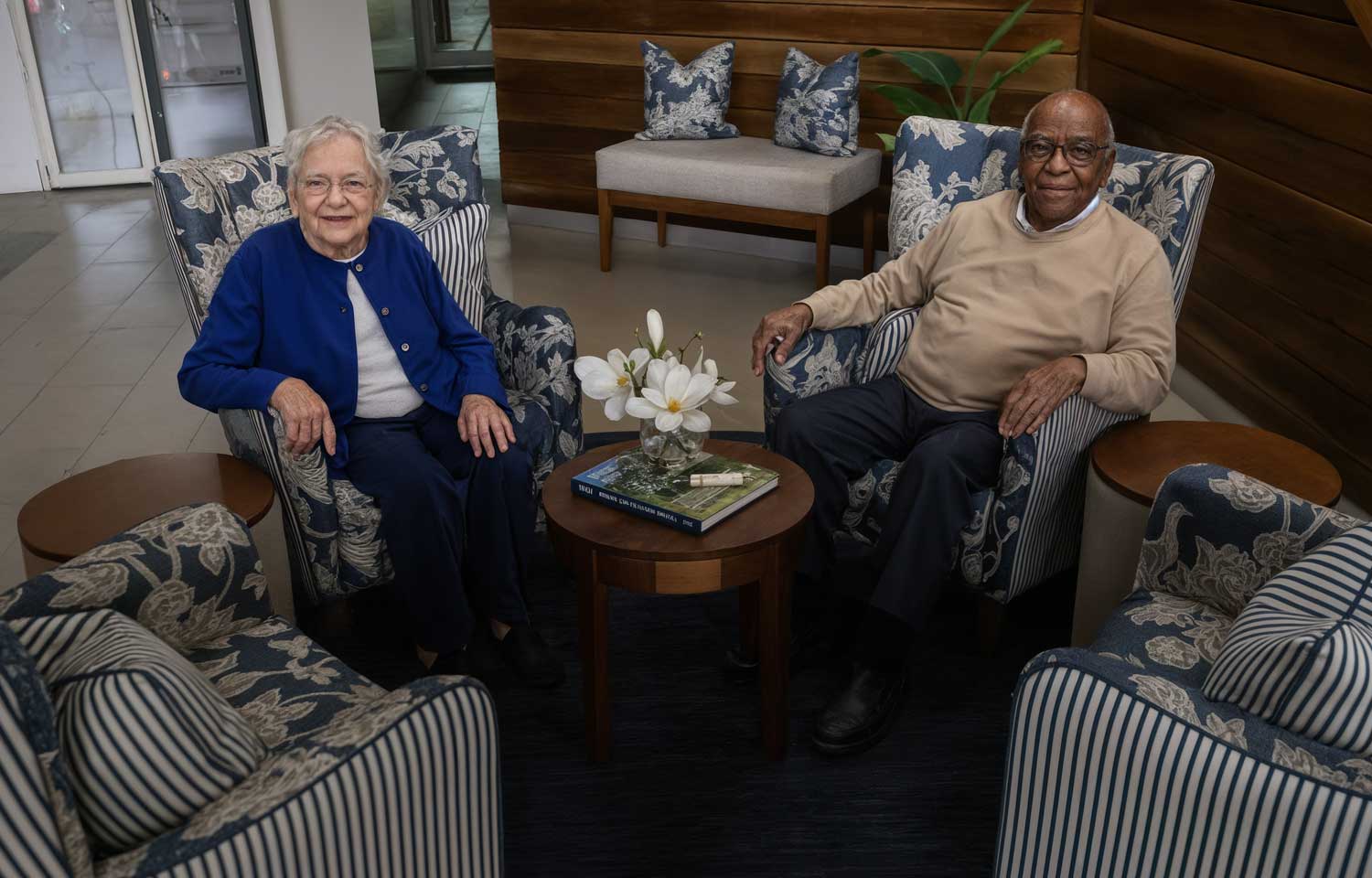
Cluster seating: Arrange chairs in small groups instead of lined against walls.
-
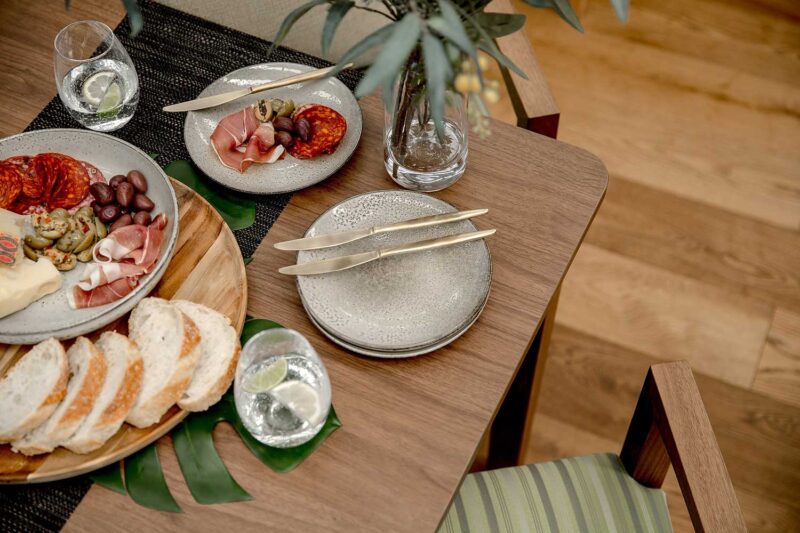
Use dining as a community hub: Invest in dining chairs that are both comfortable and easy to move, encouraging longer, more social mealtimes.
-
Offer choice: Provide spaces for both large gatherings and intimate conversations to respect different social needs.
6. Align Design with Resident Identity and Pride
Furniture tells a story about how much a community values its people. Sterile, generic, or outdated pieces send a message of neglect or efficiency-over-care, while thoughtful, stylish, and well-crafted furniture signals respect, pride, and individuality. For residents who may feel they’ve lost aspects of their independence, the environment they live in becomes even more important to their sense of self. By aligning design with identity, furniture becomes activism: a way of saying to residents, “You matter, and this is your home.”
Practical Tips:
-
Add personality: Use accent chairs or feature fabrics to break monotony.
-
Match community identity: Design spaces to reflect the culture and history of your local community.
-
Engage families: Invite input on fabrics and finishes that reflect residents’ tastes, not just operational needs.
Why This Matters Now
With the new Aged Care Act set to come into effect in 2025, consumer dignity and choice are being placed front and centre. Values-led design isn’t just activism — it’s preparation. Facility managers who take this approach now will be better positioned for compliance, accreditation, and resident satisfaction in the years ahead.
How FHG Can Help
At FHG, we believe every furniture decision is an opportunity for social change. Our Project Consultants work with aged care, healthcare, and retirement living managers across Australia to design and deliver furniture solutions that are safe, comfortable, stylish, and values-led. From custom seat heights to fabric selections and homely design palettes, we help you create spaces that truly reflect your community’s values.
👉 Furniture can be activism. Ready to take the first step? Contact an FHG Project Consultant today and start reshaping your spaces for dignity, inclusion, and real social change.
Custom Furniture for Aged Care, Retirement Living and Healthcare
Recent Updates




Furniture as Activism: Values-Led Design for the 2025 Aged Care Act
“Design is not just what it looks like and feels like. Design is how it works.” – Steve Jobs
When we talk about activism, most people think of protests, petitions, or campaigns. But in aged care, activism can be something far quieter — and far more powerful. The choices we make about aged care furniture, fabrics, and finishes can drive social change in a way that directly improves lives. Every chair, every table, and every communal space has the potential to either reinforce an institutional model of care or create a home-like environment that supports dignity, independence, and wellbeing.
Values-led design means putting people first — not just meeting compliance but actively choosing furniture and interiors that reflect respect, inclusivity, and care. For facility managers juggling budgets, compliance, and operational challenges, this approach can feel abstract. But in reality, it’s incredibly practical — and it’s a tool for culture change within your facility.
Here’s how you can use furniture as a form of activism in your facility today.
1. Champion Dignity Through Furniture Choices
Dignity is not a “nice-to-have” in aged care; it’s at the core of the Aged Care Quality Standards. Yet furniture often undermines this principle when it looks clinical, is uncomfortable, or makes sit-to-stand transitions unnecessarily difficult. Choosing well-designed armchairs, dining chairs, and tables is a values-driven way to support residents’ independence and self-respect.
Practical Tips:
-
Seat height matters: Choose chairs in the 480–520mm range to support older adults in standing independently.
-
Arm support is essential: Chairs with sturdy handles reduce falls risk and build confidence.
-
Resident input counts: Trial chairs with residents before purchase; what’s comfortable for staff isn’t always right for residents.
2. Prioritise Inclusivity with Flexible Furniture Layouts
Inclusivity isn’t just about access ramps and wide corridors — it’s also about how furniture is selected and arranged. If a resident in a wheelchair can’t comfortably join a dining table, or if furniture layouts only cater to the most mobile, then exclusion is quietly built into the everyday experience. Thoughtful, flexible furniture design and placement can send a powerful message: everyone belongs, and everyone deserves equal participation in the life of the community.
Practical Tips:
-
Choose adaptable dining tables: Ensure tables have clearance for wheelchairs and walkers, so no one is excluded.
-
Vary seating types: Mix high-back chairs, recliners, and compact armchairs to cater for different mobility needs.
-
Create flexible zones: Use lightweight furniture that can be easily moved to make spaces inclusive for group activities, family visits, or quiet time.
3. Use Colour and Texture as Tools for Empowerment
Colour and texture are too often treated as decorative afterthoughts, but they are powerful tools for empowerment in aged care settings. Beige and “safe” palettes may feel neutral, but they can strip environments of warmth and character, leaving residents feeling disconnected and unstimulated. By choosing fabrics, timbers, and finishes that are vibrant, tactile, and meaningful, facility managers can use design as a form of activism — bringing energy, clarity, and a sense of identity back into the daily lives of residents.
Practical Tips:
-
Think contrast, not clutter: Use contrasting fabric colours to make chairs easier to identify for residents with dementia.
-
Add texture for comfort: Soft fabrics and warm timbers create a homely, dignified atmosphere.
-
Draw on culture: Consider fabrics or artworks that reflect the cultural diversity of your resident community.
4. Support Sustainability as a Form of Activism
Sustainability is no longer a buzzword — it’s a responsibility. In aged care, the furniture you select can either contribute to a throwaway culture or support long-term environmental and social responsibility. Imported, mass-produced pieces often come with hidden costs: longer lead times, lower durability, and a larger carbon footprint. By contrast, choosing Australian-made, long-lasting, sustainable furniture is an activist stance that benefits residents, staff, the environment, and the broader community.
Practical Tips:
-
Ask about lifecycle: Choose products designed to last at least 10 years with service warranties.
-
Source locally: Work with Australian manufacturers to reduce lead times and environmental impact.
-
Select durable finishes: Fabrics with healthcare-grade protection last longer and require fewer replacements.
5. Create Spaces That Encourage Social Connection
Loneliness and isolation are two of the biggest challenges facing residents in aged care communities today. Furniture can either make this worse — for example, rows of identical chairs facing a TV — or actively counteract it by encouraging connection. The way chairs, tables, and communal spaces are designed and positioned can spark conversations, create friendships, and make residents feel part of a vibrant community. Designing for connection in aged care is activism, because it directly challenges isolation and promotes wellbeing.
Practical Tips:
-
Cluster seating: Arrange chairs in small groups instead of lined against walls.
-
Use dining as a community hub: Invest in dining chairs that are both comfortable and easy to move, encouraging longer, more social mealtimes.
-
Offer choice: Provide spaces for both large gatherings and intimate conversations to respect different social needs.
6. Align Design with Resident Identity and Pride
Furniture tells a story about how much a community values its people. Sterile, generic, or outdated pieces send a message of neglect or efficiency-over-care, while thoughtful, stylish, and well-crafted furniture signals respect, pride, and individuality. For residents who may feel they’ve lost aspects of their independence, the environment they live in becomes even more important to their sense of self. By aligning design with identity, furniture becomes activism: a way of saying to residents, “You matter, and this is your home.”
Practical Tips:
-
Add personality: Use accent chairs or feature fabrics to break monotony.
-
Match community identity: Design spaces to reflect the culture and history of your local community.
-
Engage families: Invite input on fabrics and finishes that reflect residents’ tastes, not just operational needs.
Why This Matters Now
With the new Aged Care Act set to come into effect in 2025, consumer dignity and choice are being placed front and centre. Values-led design isn’t just activism — it’s preparation. Facility managers who take this approach now will be better positioned for compliance, accreditation, and resident satisfaction in the years ahead.
How FHG Can Help
At FHG, we believe every furniture decision is an opportunity for social change. Our Project Consultants work with aged care, healthcare, and retirement living managers across Australia to design and deliver furniture solutions that are safe, comfortable, stylish, and values-led. From custom seat heights to fabric selections and homely design palettes, we help you create spaces that truly reflect your community’s values.
👉 Furniture can be activism. Ready to take the first step? Contact an FHG Project Consultant today and start reshaping your spaces for dignity, inclusion, and real social change.