Aged Care Furniture Procurement Data You Should Be Tracking (But Probably Aren’t)

Here’s the truth: most aged care facilities are sitting on a mountain of procurement data—and barely using it.
Not because teams don’t care.
Because you’re juggling budgets, compliance, staff needs, and residents’ expectations every single day. And the systems you rely on weren’t designed to give insight—they were designed to tick boxes.
But under the Aged Care Act 2025, and following the lessons from the Royal Commission into Aged Care Quality and Safety, your board, auditors, and residents’ families will ask one question that matters above all:
“What did your data tell you—and what did you do about it?”
If your answer is “I… didn’t really look,” you’re leaving yourself exposed.
Why This Matters More Than Ever
Here’s the reality. When furniture or equipment fails, when supplies run out, or when staff are struggling with inappropriate products, it hits:
- Residents’ comfort, safety, and dignity
- Staff efficiency and morale
- Your compliance confidence—and reputation
Tracking the right data isn’t a nice-to-have. It’s how you stay ahead, reduce risk, and make procurement decisions that actually work.
The Procurement Data You Should Be Tracking
Here’s where most facilities fall short—and where you can gain a real advantage.
1. Cost Per Year of Use
The cheapest chair today could be the most expensive chair next year if it’s replaced constantly.
What to track:
-
Purchase date and price
-
Replacement date
-
Expected lifespan
Why it matters:
This gives you a clear picture of true cost, not just upfront spend. It also helps justify purchasing slightly higher-quality items because their long-term value is obvious.
Practical tip:
Create a simple spreadsheet where every major furniture item has a “purchase vs replacement timeline.” Over time, patterns will show which products are money pits and which are worth the investment.
Example:
A $300 lounge chair replaced every 18 months ends up costing $1,200 over 7 years. A $700 chair that lasts 7 years costs $700. Which is really cheaper?
2. Replacement Frequency
If you’re replacing the same items over and over, it’s not luck—it’s bad data and poor procurement choices.
What to track:
-
Number of replacements per product type
-
Average time between replacements
-
Locations where replacements happen most frequently
Why it matters:
This shows you which products are underperforming and where standardisation or higher-quality alternatives are needed.
Practical tip:
Use replacement frequency to inform future purchases. If a certain chair fails every 2 years, replace it with a tested alternative that lasts 5–7 years. This prevents recurring operational headaches.
3. Supplier Performance Beyond Price
Too often, procurement teams pick suppliers based on price or availability alone. That’s a short-term win with long-term risk.
What to track:
-
On-time delivery rates
-
Responsiveness to issues or complaints
-
Product failure rates
-
Warranty claim follow-through
Why it matters:
A supplier who’s “cheap” but unreliable can cost far more in disruptions, emergency replacements, and staff time.
Practical tip:
Create a supplier scorecard. Give a simple rating (e.g., 1–5) for each key metric. Review quarterly and use the scores to inform purchasing decisions.
4. Spend by Category
“Furniture spend” alone isn’t enough. You need visibility across categories, types, and spend patterns.
What to track:
-
Seating vs beds vs joinery
-
Capital vs replacement spend
-
Planned vs reactive purchases
Why it matters:
Granular spend tracking highlights waste, duplication, and over-reliance on certain suppliers or products.
Practical tip:
Tag all procurement entries by category in your system or spreadsheet. This makes it easy to spot trends—like whether you’re overbuying occasional-use furniture while neglecting common-use areas.
5. Reactive vs Planned Procurement
Purchasing in a panic is expensive—and stressful.
What to track:
-
Percentage of urgent, unplanned purchases
-
Reason for reactive purchases
Why it matters:
High levels of reactive purchasing signal poor planning, low stock buffers, or misaligned procurement processes. Reducing reactive procurement saves money and stress.
Practical tip:
Set minimum stock levels for high-use items. Regularly review inventory and use predictive data (replacement frequency, usage patterns) to plan ahead.
6. Maintenance & Cleaning Issues
Furniture that is hard to clean or maintain isn’t fit for purpose—and it creates hidden costs in staff time and infection control risk.
What to track:
-
Number of maintenance requests per product
-
Cleaning difficulties or complaints
-
Staff-reported workarounds
Why it matters:
Poor-quality finishes or inappropriate fabrics can cost thousands in extra cleaning and repair annually.
Practical tip:
Include maintenance and cleaning metrics in procurement reviews. Choose products proven to withstand high-use, easy-clean environments.
7. Staff Feedback
Your team sees firsthand what works and what doesn’t. Ignoring that is a missed opportunity.
What to track:
-
Comfort and usability
-
Safety concerns
-
Workarounds staff are using daily
Why it matters:
If staff are constantly adjusting furniture or equipment, procurement decisions are creating friction—impacting care quality and staff satisfaction.
Practical tip:
Run a quarterly feedback session with nursing and support staff specifically about furniture usability, safety, and comfort. Document the feedback and integrate it into future procurement decisions.
8. Standardisation Gaps
Walk through your facility—how many different chair types do you see? How many different bed styles?
What to track:
-
Number of variations per product type
-
Locations where inconsistencies exist
-
Impact on maintenance and replacement
Why it matters:
Inconsistent products increase costs, create confusion for staff, and make replacements harder to justify.
Practical tip:
Standardise where possible. Limit the number of variations for high-use items. Not only does this reduce cost and maintenance, it also creates a cohesive, comfortable environment for residents.
How to Start Using This Data Today
You don’t need a fancy system. Even a simple spreadsheet reviewed monthly can give you insight you didn’t have yesterday.
The goal isn’t just tracking—it’s using data to make smarter decisions that benefit residents, staff, and your bottom line.
Where FHG Can Help
At FHG, we see the downstream impact of procurement decisions every day. We help providers:
-
Standardise furniture selections across rooms, wings, and facilities
-
Choose products built to last in high-use aged care environments
-
Reduce replacement cycles and operational headaches
-
Translate procurement data into actionable decisions
-
Ensure choices align with the Aged Care Act 2025 and care priorities
Because the right furniture decisions don’t just fill a room—they support care, comfort, and confidence every day.
Frequently Asked Questions
1. We don’t have sophisticated systems—can we still track this data?
Absolutely. Start small. Even a simple spreadsheet tracking purchases, replacements, and supplier performance gives immediate insight.
2. Which metric should we track first?
Cost per year of use and replacement frequency. They reveal hidden costs and inefficiencies almost instantly.
3. How often should we review procurement data?
Monthly is ideal. Quarterly at minimum. The key is consistency, not complexity.
4. Who should be involved in reviewing this data?
Procurement, operations, maintenance—and ideally clinical teams for resident-facing products.
5. How do we justify higher-quality purchases to our board?
Focus on long-term value, risk reduction, and improved resident experience. Link data directly to outcomes.
6. How does FHG make this easier?
We turn insight into action—helping you standardise furniture, improve durability, and reduce operational headaches while supporting compliance and resident care.
Final Thought
Good procurement tracks spend.
Great procurement tracks performance.
Exceptional procurement uses that performance to make care better, safer, and more consistent.
In 2026, your data isn’t just numbers—it’s your tool to make decisions that actually improve daily life for residents.
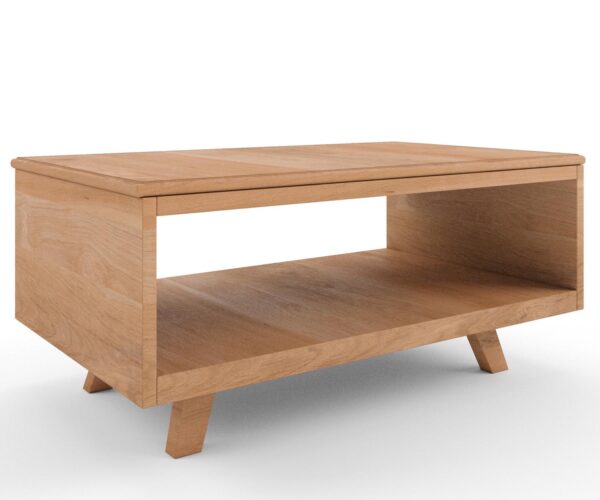
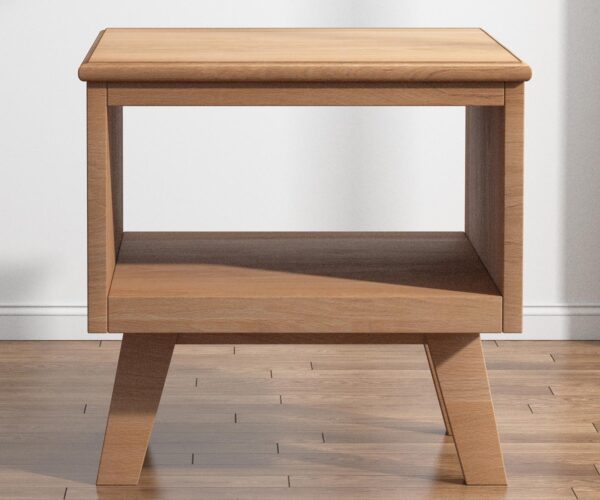
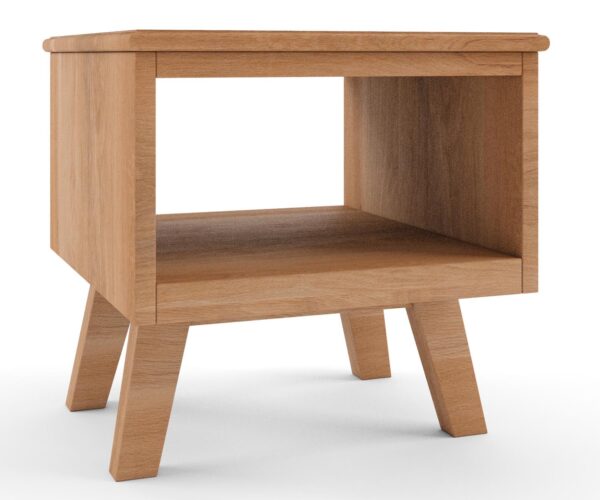
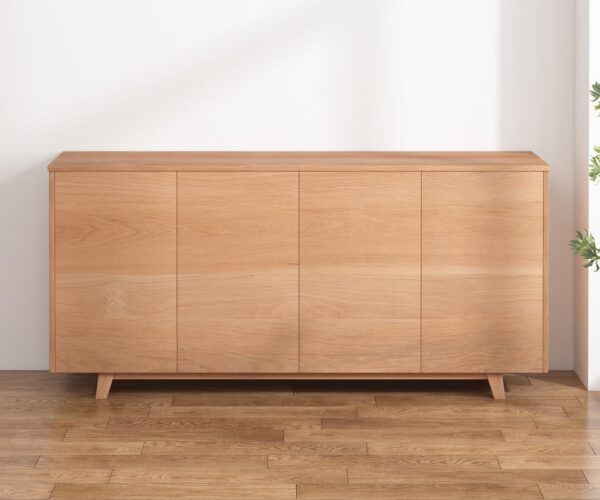
Quality Australian Made Furniture for Aged Care
Recent Updates
Aged Care Furniture Procurement Data You Should Be Tracking (But Probably Aren’t)
Here’s the truth: most aged care facilities are sitting on a mountain of procurement data—and barely using it.
Not because teams don’t care.
Because you’re juggling budgets, compliance, staff needs, and residents’ expectations every single day. And the systems you rely on weren’t designed to give insight—they were designed to tick boxes.
But under the Aged Care Act 2025, and following the lessons from the Royal Commission into Aged Care Quality and Safety, your board, auditors, and residents’ families will ask one question that matters above all:
“What did your data tell you—and what did you do about it?”
If your answer is “I… didn’t really look,” you’re leaving yourself exposed.
Why This Matters More Than Ever
Here’s the reality. When furniture or equipment fails, when supplies run out, or when staff are struggling with inappropriate products, it hits:
- Residents’ comfort, safety, and dignity
- Staff efficiency and morale
- Your compliance confidence—and reputation
Tracking the right data isn’t a nice-to-have. It’s how you stay ahead, reduce risk, and make procurement decisions that actually work.
The Procurement Data You Should Be Tracking
Here’s where most facilities fall short—and where you can gain a real advantage.
1. Cost Per Year of Use
The cheapest chair today could be the most expensive chair next year if it’s replaced constantly.
What to track:
-
Purchase date and price
-
Replacement date
-
Expected lifespan
Why it matters:
This gives you a clear picture of true cost, not just upfront spend. It also helps justify purchasing slightly higher-quality items because their long-term value is obvious.
Practical tip:
Create a simple spreadsheet where every major furniture item has a “purchase vs replacement timeline.” Over time, patterns will show which products are money pits and which are worth the investment.
Example:
A $300 lounge chair replaced every 18 months ends up costing $1,200 over 7 years. A $700 chair that lasts 7 years costs $700. Which is really cheaper?
2. Replacement Frequency
If you’re replacing the same items over and over, it’s not luck—it’s bad data and poor procurement choices.
What to track:
-
Number of replacements per product type
-
Average time between replacements
-
Locations where replacements happen most frequently
Why it matters:
This shows you which products are underperforming and where standardisation or higher-quality alternatives are needed.
Practical tip:
Use replacement frequency to inform future purchases. If a certain chair fails every 2 years, replace it with a tested alternative that lasts 5–7 years. This prevents recurring operational headaches.
3. Supplier Performance Beyond Price
Too often, procurement teams pick suppliers based on price or availability alone. That’s a short-term win with long-term risk.
What to track:
-
On-time delivery rates
-
Responsiveness to issues or complaints
-
Product failure rates
-
Warranty claim follow-through
Why it matters:
A supplier who’s “cheap” but unreliable can cost far more in disruptions, emergency replacements, and staff time.
Practical tip:
Create a supplier scorecard. Give a simple rating (e.g., 1–5) for each key metric. Review quarterly and use the scores to inform purchasing decisions.
4. Spend by Category
“Furniture spend” alone isn’t enough. You need visibility across categories, types, and spend patterns.
What to track:
-
Seating vs beds vs joinery
-
Capital vs replacement spend
-
Planned vs reactive purchases
Why it matters:
Granular spend tracking highlights waste, duplication, and over-reliance on certain suppliers or products.
Practical tip:
Tag all procurement entries by category in your system or spreadsheet. This makes it easy to spot trends—like whether you’re overbuying occasional-use furniture while neglecting common-use areas.
5. Reactive vs Planned Procurement
Purchasing in a panic is expensive—and stressful.
What to track:
-
Percentage of urgent, unplanned purchases
-
Reason for reactive purchases
Why it matters:
High levels of reactive purchasing signal poor planning, low stock buffers, or misaligned procurement processes. Reducing reactive procurement saves money and stress.
Practical tip:
Set minimum stock levels for high-use items. Regularly review inventory and use predictive data (replacement frequency, usage patterns) to plan ahead.
6. Maintenance & Cleaning Issues
Furniture that is hard to clean or maintain isn’t fit for purpose—and it creates hidden costs in staff time and infection control risk.
What to track:
-
Number of maintenance requests per product
-
Cleaning difficulties or complaints
-
Staff-reported workarounds
Why it matters:
Poor-quality finishes or inappropriate fabrics can cost thousands in extra cleaning and repair annually.
Practical tip:
Include maintenance and cleaning metrics in procurement reviews. Choose products proven to withstand high-use, easy-clean environments.
7. Staff Feedback
Your team sees firsthand what works and what doesn’t. Ignoring that is a missed opportunity.
What to track:
-
Comfort and usability
-
Safety concerns
-
Workarounds staff are using daily
Why it matters:
If staff are constantly adjusting furniture or equipment, procurement decisions are creating friction—impacting care quality and staff satisfaction.
Practical tip:
Run a quarterly feedback session with nursing and support staff specifically about furniture usability, safety, and comfort. Document the feedback and integrate it into future procurement decisions.
8. Standardisation Gaps
Walk through your facility—how many different chair types do you see? How many different bed styles?
What to track:
-
Number of variations per product type
-
Locations where inconsistencies exist
-
Impact on maintenance and replacement
Why it matters:
Inconsistent products increase costs, create confusion for staff, and make replacements harder to justify.
Practical tip:
Standardise where possible. Limit the number of variations for high-use items. Not only does this reduce cost and maintenance, it also creates a cohesive, comfortable environment for residents.
How to Start Using This Data Today
You don’t need a fancy system. Even a simple spreadsheet reviewed monthly can give you insight you didn’t have yesterday.
The goal isn’t just tracking—it’s using data to make smarter decisions that benefit residents, staff, and your bottom line.
Where FHG Can Help
At FHG, we see the downstream impact of procurement decisions every day. We help providers:
-
Standardise furniture selections across rooms, wings, and facilities
-
Choose products built to last in high-use aged care environments
-
Reduce replacement cycles and operational headaches
-
Translate procurement data into actionable decisions
-
Ensure choices align with the Aged Care Act 2025 and care priorities
Because the right furniture decisions don’t just fill a room—they support care, comfort, and confidence every day.
Frequently Asked Questions
1. We don’t have sophisticated systems—can we still track this data?
Absolutely. Start small. Even a simple spreadsheet tracking purchases, replacements, and supplier performance gives immediate insight.
2. Which metric should we track first?
Cost per year of use and replacement frequency. They reveal hidden costs and inefficiencies almost instantly.
3. How often should we review procurement data?
Monthly is ideal. Quarterly at minimum. The key is consistency, not complexity.
4. Who should be involved in reviewing this data?
Procurement, operations, maintenance—and ideally clinical teams for resident-facing products.
5. How do we justify higher-quality purchases to our board?
Focus on long-term value, risk reduction, and improved resident experience. Link data directly to outcomes.
6. How does FHG make this easier?
We turn insight into action—helping you standardise furniture, improve durability, and reduce operational headaches while supporting compliance and resident care.
Final Thought
Good procurement tracks spend.
Great procurement tracks performance.
Exceptional procurement uses that performance to make care better, safer, and more consistent.
In 2026, your data isn’t just numbers—it’s your tool to make decisions that actually improve daily life for residents.