Designing Accessible Outdoor Spaces That Support Dignity, Independence and Wellbeing in Australian Aged Care

By Jason Mark, FHG Project Consultant
Having spent over 30 years delivering commercial furniture fit-outs across hospitals, airports, community spaces, offices, hotels, universities, and aged care facilities, I’ve seen firsthand how the right environment can transform people’s experiences. In aged care, this is particularly evident when it comes to outdoor spaces.
Residents can easily spend an entire day indoors, often due to mobility challenges, weather, or poorly designed outdoor areas. Yet when they have safe, comfortable access to the outdoors, the difference is striking: mood improves, engagement rises, and staff notice fewer behavioural issues.
Under the 2025 Aged Care Act, this isn’t just a matter of preference. The Act emphasises choice, dignity, independence, and wellbeing. Providers are required to actively support residents to live meaningful lives, which includes access to environments that enable participation, autonomy, and engagement. Properly designed outdoor spaces play a crucial role in meeting these principles.
Why Outdoor Access Matters
The 2025 Act reinforces a rights-based approach to aged care. Residents have the right to live a life of choice and control, and access to outdoor areas is a tangible way to support this. Outdoor spaces contribute to:
- Improved mental health and mood, reducing agitation and anxiety
- Better sleep patterns and circadian rhythm regulation
- Increased social interaction and community engagement
- Preserved autonomy and independence
- Connection to nature, supporting overall wellbeing
In practice, outdoor spaces also assist providers in fulfilling regulatory expectations for person-centred care, risk-balanced decision-making, and quality-of-life outcomes.
Accessibility: Beyond Compliance
Creating an outdoor space is not just about compliance; it’s about usability. I’ve often seen courtyards and verandahs that meet minimum building standards yet remain virtually unusable for residents. Common barriers include:
- Outdoor furniture that is too low, too deep, or lacks arms
- Narrow paths that make mobility aid navigation difficult
- Slippery or heat-retaining surfaces
- Layouts that require constant staff intervention
True accessibility means residents can move, sit, stand, and stay independently, while staff can supervise effectively without compromising workflow.
Furniture That Supports Dignity and Independence
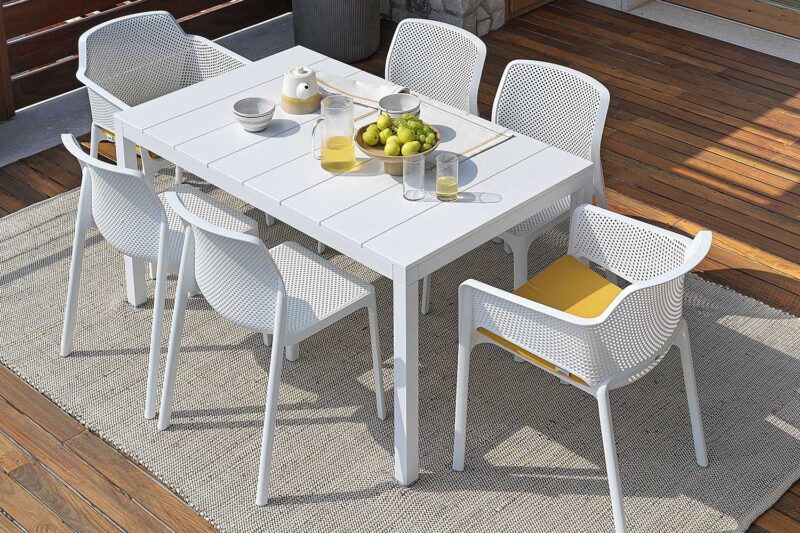
Outdoor furniture in aged care is far more than decorative. It must be fit-for-purpose. Based on decades of project experience, I always ensure furniture meets these criteria:
- Supports safe sit-to-stand transfers with appropriate seat height and armrests
- Remains stable and secure, even under heavy use
- Handles Australian outdoor conditions—UV, heat, rain, and coastal air
- Is comfortable for meaningful periods, not just short rests
- Encourages independence, allowing residents to sit without staff assistance
When furniture is thoughtfully designed, residents choose to use the space. When it isn’t, they stay inside—and opportunities for wellbeing are lost.
Designing for the Australian Climate
Australia’s climate can be harsh. Outdoor furniture must withstand:
- Intense UV exposure and colour fade
- High surface temperatures and heat retention
- Heavy rain and fluctuating weather
- Corrosion from coastal environments
- Daily commercial use, not occasional residential use
Choosing furniture designed specifically for Australian commercial aged care environments is essential for safety, longevity, and compliance.
Supporting Staff Workflow
An outdoor space isn’t only for residents. It must also support staff, who are responsible for supervision, safety, and facilitating engagement. I always consider:
- Clear sightlines for passive supervision
- Minimised manual handling through lightweight or modular furniture
- Flexible layouts to support group activities and one-on-one interactions
- Easy cleaning and maintenance to meet hygiene standards
When staff can work efficiently, they are more likely to encourage outdoor access, and residents benefit.
Questions Every Provider Should Ask Their Supplier
To ensure outdoor spaces genuinely support the principles of the 2025 Aged Care Act, I always recommend asking:
- Is this furniture designed for commercial aged care use in Australia?
- How does it perform under UV, heat, heavy rain, and coastal conditions?
- Does seating support safe sit-to-stand transfers and independent use?
- Can residents access and use the furniture without staff intervention?
- Is it stable, robust, and easy to clean, supporting staff workflows?
- What warranty and support are available for outdoor environments?
- Can the supplier advise on layout, spacing, and accessibility for supervision and safe mobility?
If a supplier cannot confidently answer these questions, the furniture may not be fit-for-purpose — and you could be exposing residents to risk.
Outdoor Spaces as a Care Asset
The 2025 Aged Care Act encourages providers to balance risk with choice, moving beyond a culture of avoidance. Well-designed outdoor environments allow residents to exercise autonomy safely, while staff maintain oversight and operational efficiency.
When outdoor spaces are accessible, comfortable, and climate-ready:
- Residents actively choose to spend time outside
- Staff can supervise without constant intervention
- Families see tangible quality-of-life outcomes
- Providers demonstrate compliance with dignity, independence, and wellbeing principles
Outdoor areas stop being underused courtyards. They become vital care assets, contributing directly to a resident’s quality of life.
Absolutely! Here’s a blog-ready version of the checklist, written in a professional, first-person tone for aged care facility managers. I’ve converted it from a table into a narrative and skimmable format so it reads naturally as part of a blog, while still mapping directly to the 2025 Aged Care Act principles.
A Practical Checklist for Compliance and Wellbeing
To help facility managers, I’ve put together a practical checklist to ensure outdoor areas are accessible, safe, functional, and supportive of meaningful daily living, while directly linking to the principles of the 2025 Act.
1. Accessibility & Mobility
Residents should be able to move freely and safely without constant assistance. When designing outdoor areas, consider:
- Wide, step-free pathways suitable for wheelchairs, walkers, and mobility aids. This supports independence and choice.
- Smooth, non-slip surfaces that remain comfortable in heat. Safe surfaces reduce risk while enabling autonomy.
- Entrances and exits that are easy to access, with ramps or level transitions. This ensures residents can choose to go outside without relying on staff.
- Clear circulation space around furniture and landscaping. Avoid narrow corridors or cluttered layouts, so residents can navigate freely and safely.
2. Furniture That Supports Dignity and Independence
Outdoor furniture is more than decoration—it directly impacts residents’ ability to use spaces independently. Fit-for-purpose furniture should:
- Support safe sit-to-stand transfers with appropriate seat height and armrests.
- Be stable and robust, reducing tipping hazards.
- Remain comfortable for extended use, with breathable, weather-resistant cushions.
- Allow independent use so residents aren’t reliant on staff assistance.
When furniture is designed well, residents actively choose to use outdoor spaces, rather than waiting for help.
3. Climate & Weather Considerations
Australia’s climate presents challenges that can affect resident safety and comfort:
- Provide adequate shade using pergolas, umbrellas, or trees to reduce UV exposure.
- Use UV-stable and heat-resistant materials to prevent burns and fading.
- Ensure furniture and surfaces remain safe in rain, wind, and coastal air.
- Select materials that withstand daily commercial use, not just residential conditions.
Addressing climate issues ensures outdoor areas are usable year-round and meet safety obligations under the Act.
4. Safety & Risk Mitigation
Risk-balanced care is a cornerstone of the 2025 Aged Care Act. Outdoor spaces should:
- Feature rounded edges and smooth finishes to prevent injuries.
- Include non-slip surfaces to protect against falls.
- Allow passive supervision with clear sightlines for staff.
- Be easy to maintain, clean, and sanitise, supporting both hygiene and safety.
These measures allow residents to enjoy freedom while staff maintain a safe environment.
5. Social Engagement & Wellbeing
Outdoor areas should encourage meaningful activity and social interaction:
- Arrange seating to support small group conversations and community engagement.
- Include activity zones for quiet reflection or group activities.
- Incorporate plants, trees, and sensory elements to connect residents with nature.
Well-designed spaces directly contribute to quality of life and meaningful daily living, key principles of the 2025 Act.
6. Staff Workflow & Operational Practicality
Facilities must balance resident independence with staff efficiency:
- Ensure layouts allow clear sightlines for supervision without constant intervention.
- Use modular, easy-to-clean furniture to reduce staff workload.
- Provide flexible layouts to accommodate activities and events.
When staff can work efficiently, they are more likely to encourage outdoor use, creating a positive cycle of engagement and wellbeing.
Quick Checklist: Mapping Design to the 2025 Aged Care Act
- Dignity & Independence: Residents can access and use outdoor spaces without assistance.
- Wellbeing & Meaningful Daily Living: Outdoor areas encourage social interaction, engagement, and connection to nature.
- Choice & Autonomy: Residents decide when and how to use outdoor spaces.
- Risk-Balanced Care: Surfaces, furniture, and layout minimise hazards while allowing freedom of movement.
- Staff Support & Compliance: Spaces are easy to supervise, maintain, and operate within regulatory standards.
Creating outdoor spaces that meet these requirements isn’t just about aesthetics—it’s about how residents experience their day, how staff support engagement, and how your facility meets the obligations of the 2025 Aged Care Act.
When done well, outdoor spaces become vital care assets, supporting dignity, independence, and wellbeing every day.
Final Thoughts
Designing outdoor spaces in aged care is not about aesthetics or ticking boxes. It’s about how residents experience their day, how staff facilitate meaningful engagement, and how providers meet regulatory obligations under the 2025 Act.
When we get furniture, layout, accessibility, and climate suitability right, we create outdoor environments that truly support dignity, independence, and wellbeing — outcomes that residents, families, staff, and regulators alike value.
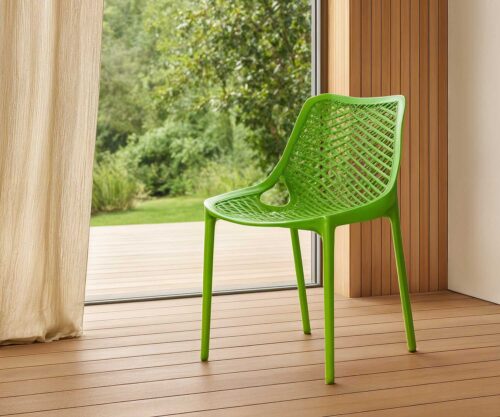
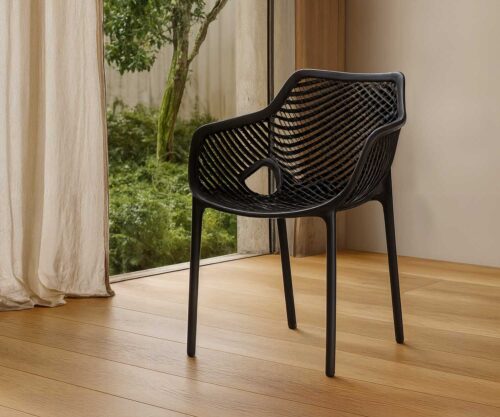
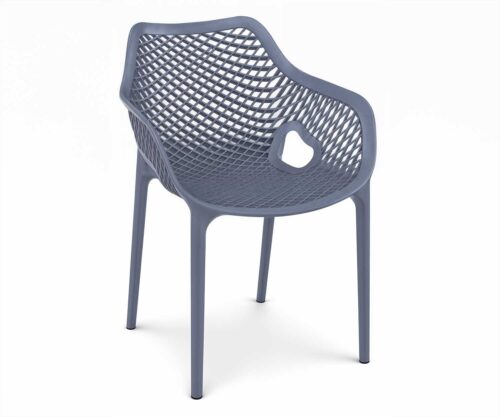
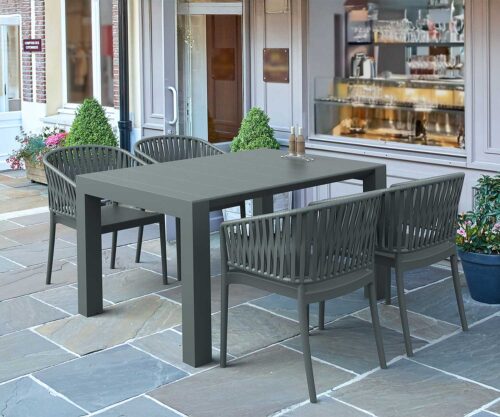
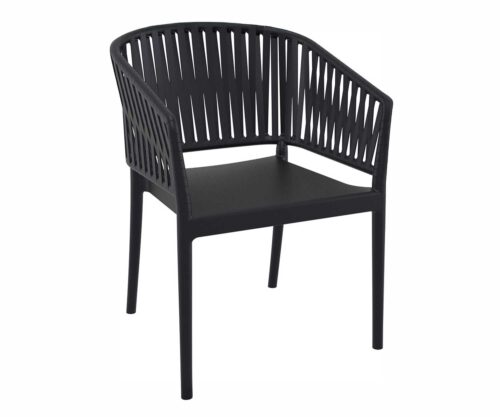
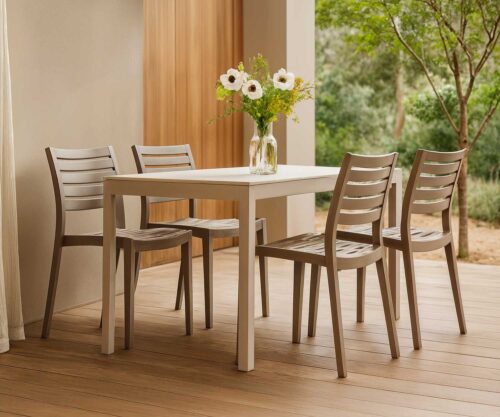
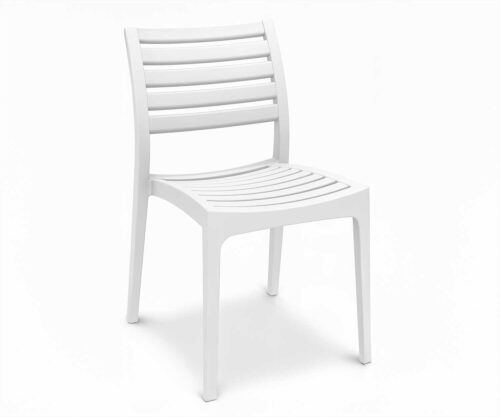
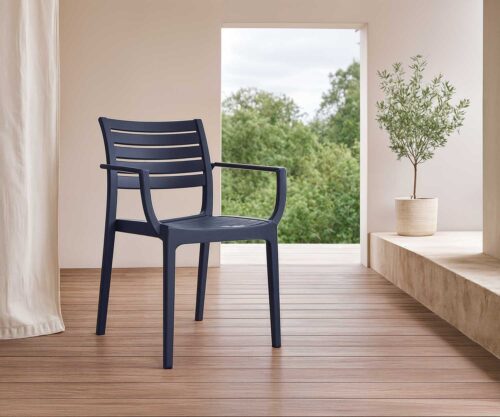
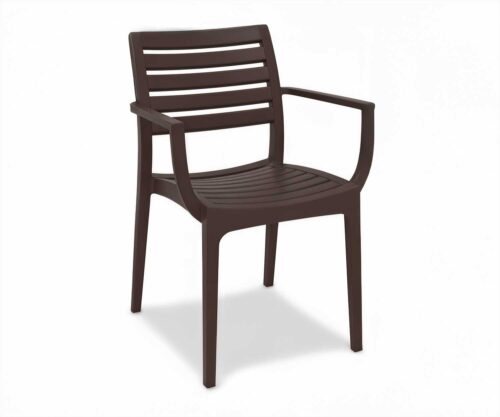
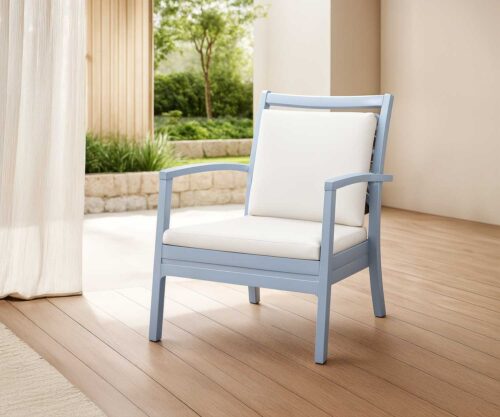
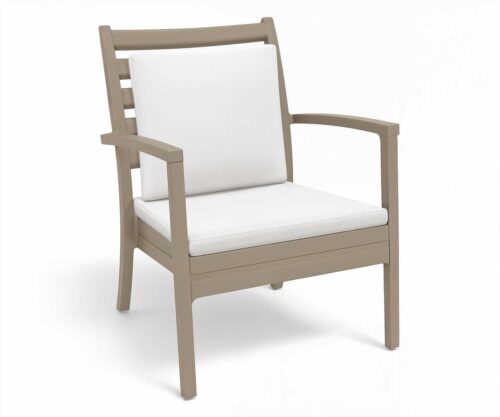
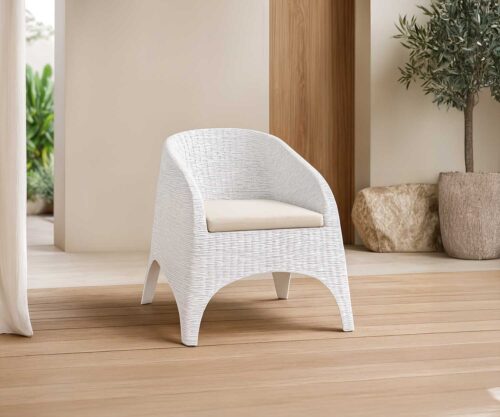
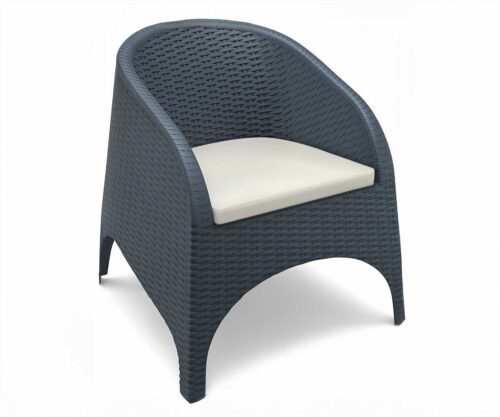
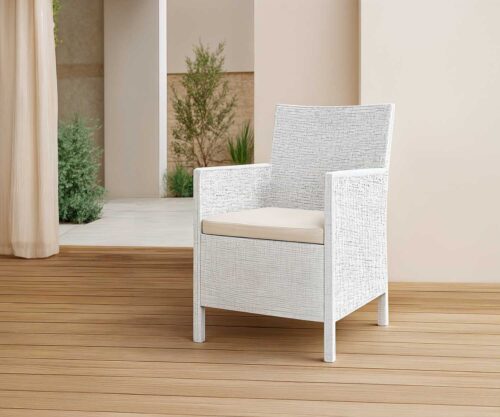
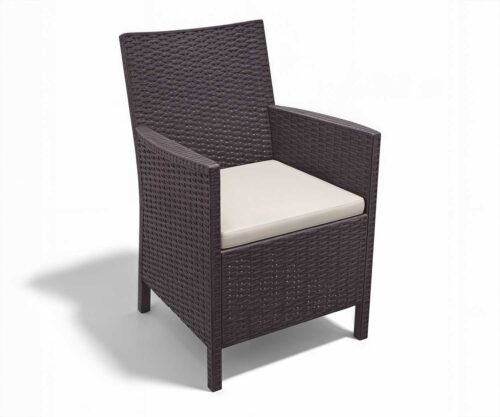
Quality Outdoor Furniture for Aged Care

Recent Updates
Designing Accessible Outdoor Spaces That Support Dignity, Independence and Wellbeing in Australian Aged Care
By Jason Mark, FHG Project Consultant
Having spent over 30 years delivering commercial furniture fit-outs across hospitals, airports, community spaces, offices, hotels, universities, and aged care facilities, I’ve seen firsthand how the right environment can transform people’s experiences. In aged care, this is particularly evident when it comes to outdoor spaces.
Residents can easily spend an entire day indoors, often due to mobility challenges, weather, or poorly designed outdoor areas. Yet when they have safe, comfortable access to the outdoors, the difference is striking: mood improves, engagement rises, and staff notice fewer behavioural issues.
Under the 2025 Aged Care Act, this isn’t just a matter of preference. The Act emphasises choice, dignity, independence, and wellbeing. Providers are required to actively support residents to live meaningful lives, which includes access to environments that enable participation, autonomy, and engagement. Properly designed outdoor spaces play a crucial role in meeting these principles.
Why Outdoor Access Matters
The 2025 Act reinforces a rights-based approach to aged care. Residents have the right to live a life of choice and control, and access to outdoor areas is a tangible way to support this. Outdoor spaces contribute to:
- Improved mental health and mood, reducing agitation and anxiety
- Better sleep patterns and circadian rhythm regulation
- Increased social interaction and community engagement
- Preserved autonomy and independence
- Connection to nature, supporting overall wellbeing
In practice, outdoor spaces also assist providers in fulfilling regulatory expectations for person-centred care, risk-balanced decision-making, and quality-of-life outcomes.
Accessibility: Beyond Compliance
Creating an outdoor space is not just about compliance; it’s about usability. I’ve often seen courtyards and verandahs that meet minimum building standards yet remain virtually unusable for residents. Common barriers include:
- Outdoor furniture that is too low, too deep, or lacks arms
- Narrow paths that make mobility aid navigation difficult
- Slippery or heat-retaining surfaces
- Layouts that require constant staff intervention
True accessibility means residents can move, sit, stand, and stay independently, while staff can supervise effectively without compromising workflow.
Furniture That Supports Dignity and Independence
Outdoor furniture in aged care is far more than decorative. It must be fit-for-purpose. Based on decades of project experience, I always ensure furniture meets these criteria:
- Supports safe sit-to-stand transfers with appropriate seat height and armrests
- Remains stable and secure, even under heavy use
- Handles Australian outdoor conditions—UV, heat, rain, and coastal air
- Is comfortable for meaningful periods, not just short rests
- Encourages independence, allowing residents to sit without staff assistance
When furniture is thoughtfully designed, residents choose to use the space. When it isn’t, they stay inside—and opportunities for wellbeing are lost.
Designing for the Australian Climate
Australia’s climate can be harsh. Outdoor furniture must withstand:
- Intense UV exposure and colour fade
- High surface temperatures and heat retention
- Heavy rain and fluctuating weather
- Corrosion from coastal environments
- Daily commercial use, not occasional residential use
Choosing furniture designed specifically for Australian commercial aged care environments is essential for safety, longevity, and compliance.
Supporting Staff Workflow
An outdoor space isn’t only for residents. It must also support staff, who are responsible for supervision, safety, and facilitating engagement. I always consider:
- Clear sightlines for passive supervision
- Minimised manual handling through lightweight or modular furniture
- Flexible layouts to support group activities and one-on-one interactions
- Easy cleaning and maintenance to meet hygiene standards
When staff can work efficiently, they are more likely to encourage outdoor access, and residents benefit.
Questions Every Provider Should Ask Their Supplier
To ensure outdoor spaces genuinely support the principles of the 2025 Aged Care Act, I always recommend asking:
- Is this furniture designed for commercial aged care use in Australia?
- How does it perform under UV, heat, heavy rain, and coastal conditions?
- Does seating support safe sit-to-stand transfers and independent use?
- Can residents access and use the furniture without staff intervention?
- Is it stable, robust, and easy to clean, supporting staff workflows?
- What warranty and support are available for outdoor environments?
- Can the supplier advise on layout, spacing, and accessibility for supervision and safe mobility?
If a supplier cannot confidently answer these questions, the furniture may not be fit-for-purpose — and you could be exposing residents to risk.
Outdoor Spaces as a Care Asset
The 2025 Aged Care Act encourages providers to balance risk with choice, moving beyond a culture of avoidance. Well-designed outdoor environments allow residents to exercise autonomy safely, while staff maintain oversight and operational efficiency.
When outdoor spaces are accessible, comfortable, and climate-ready:
- Residents actively choose to spend time outside
- Staff can supervise without constant intervention
- Families see tangible quality-of-life outcomes
- Providers demonstrate compliance with dignity, independence, and wellbeing principles
Outdoor areas stop being underused courtyards. They become vital care assets, contributing directly to a resident’s quality of life.
Absolutely! Here’s a blog-ready version of the checklist, written in a professional, first-person tone for aged care facility managers. I’ve converted it from a table into a narrative and skimmable format so it reads naturally as part of a blog, while still mapping directly to the 2025 Aged Care Act principles.
A Practical Checklist for Compliance and Wellbeing
To help facility managers, I’ve put together a practical checklist to ensure outdoor areas are accessible, safe, functional, and supportive of meaningful daily living, while directly linking to the principles of the 2025 Act.
1. Accessibility & Mobility
Residents should be able to move freely and safely without constant assistance. When designing outdoor areas, consider:
- Wide, step-free pathways suitable for wheelchairs, walkers, and mobility aids. This supports independence and choice.
- Smooth, non-slip surfaces that remain comfortable in heat. Safe surfaces reduce risk while enabling autonomy.
- Entrances and exits that are easy to access, with ramps or level transitions. This ensures residents can choose to go outside without relying on staff.
- Clear circulation space around furniture and landscaping. Avoid narrow corridors or cluttered layouts, so residents can navigate freely and safely.
2. Furniture That Supports Dignity and Independence
Outdoor furniture is more than decoration—it directly impacts residents’ ability to use spaces independently. Fit-for-purpose furniture should:
- Support safe sit-to-stand transfers with appropriate seat height and armrests.
- Be stable and robust, reducing tipping hazards.
- Remain comfortable for extended use, with breathable, weather-resistant cushions.
- Allow independent use so residents aren’t reliant on staff assistance.
When furniture is designed well, residents actively choose to use outdoor spaces, rather than waiting for help.
3. Climate & Weather Considerations
Australia’s climate presents challenges that can affect resident safety and comfort:
- Provide adequate shade using pergolas, umbrellas, or trees to reduce UV exposure.
- Use UV-stable and heat-resistant materials to prevent burns and fading.
- Ensure furniture and surfaces remain safe in rain, wind, and coastal air.
- Select materials that withstand daily commercial use, not just residential conditions.
Addressing climate issues ensures outdoor areas are usable year-round and meet safety obligations under the Act.
4. Safety & Risk Mitigation
Risk-balanced care is a cornerstone of the 2025 Aged Care Act. Outdoor spaces should:
- Feature rounded edges and smooth finishes to prevent injuries.
- Include non-slip surfaces to protect against falls.
- Allow passive supervision with clear sightlines for staff.
- Be easy to maintain, clean, and sanitise, supporting both hygiene and safety.
These measures allow residents to enjoy freedom while staff maintain a safe environment.
5. Social Engagement & Wellbeing
Outdoor areas should encourage meaningful activity and social interaction:
- Arrange seating to support small group conversations and community engagement.
- Include activity zones for quiet reflection or group activities.
- Incorporate plants, trees, and sensory elements to connect residents with nature.
Well-designed spaces directly contribute to quality of life and meaningful daily living, key principles of the 2025 Act.
6. Staff Workflow & Operational Practicality
Facilities must balance resident independence with staff efficiency:
- Ensure layouts allow clear sightlines for supervision without constant intervention.
- Use modular, easy-to-clean furniture to reduce staff workload.
- Provide flexible layouts to accommodate activities and events.
When staff can work efficiently, they are more likely to encourage outdoor use, creating a positive cycle of engagement and wellbeing.
Quick Checklist: Mapping Design to the 2025 Aged Care Act
- Dignity & Independence: Residents can access and use outdoor spaces without assistance.
- Wellbeing & Meaningful Daily Living: Outdoor areas encourage social interaction, engagement, and connection to nature.
- Choice & Autonomy: Residents decide when and how to use outdoor spaces.
- Risk-Balanced Care: Surfaces, furniture, and layout minimise hazards while allowing freedom of movement.
- Staff Support & Compliance: Spaces are easy to supervise, maintain, and operate within regulatory standards.
Creating outdoor spaces that meet these requirements isn’t just about aesthetics—it’s about how residents experience their day, how staff support engagement, and how your facility meets the obligations of the 2025 Aged Care Act.
When done well, outdoor spaces become vital care assets, supporting dignity, independence, and wellbeing every day.
Final Thoughts
Designing outdoor spaces in aged care is not about aesthetics or ticking boxes. It’s about how residents experience their day, how staff facilitate meaningful engagement, and how providers meet regulatory obligations under the 2025 Act.
When we get furniture, layout, accessibility, and climate suitability right, we create outdoor environments that truly support dignity, independence, and wellbeing — outcomes that residents, families, staff, and regulators alike value.