The Hidden Link Between Styling and Sale Price in Retirement Living
In retirement living, sale price is often discussed as if it exists in isolation; a figure determined by location, demand, and timing.
But price is rarely just about the property itself.
It is about how the property feels the moment a buyer walks in.
And that feeling is almost always shaped first by furniture.
As we often say to clients:
“Furniture is the first language a home speaks.”
Furniture sets the financial tone before a word is said
When a prospective resident walks into a retirement unit, they are not analysing square metres or floorplans.
They are reacting emotionally to what they see in front of them and furniture is doing most of that communication.
A vacant room tells a buyer very little. In fact, it often creates hesitation.
But a well-furnished space immediately answers the key questions buyers are subconsciously asking:
- Will my furniture fit?
- Does this feel comfortable and familiar?
- Can I imagine my life here?
As we often explain:
“An empty room forces imagination. Furniture replaces imagination with certainty.”
That shift is what directly influences price confidence.
The quality of furniture influences the perceived value of the home
Not all furniture carries the same weight in a buyer’s mind.
In retirement living, furniture is not just decorative; it becomes part of the perceived value of the property itself.
If the furniture feels dated, mismatched or temporary, it can unintentionally downgrade the entire presentation of the home.
Conversely, well-chosen, well-proportioned furniture:
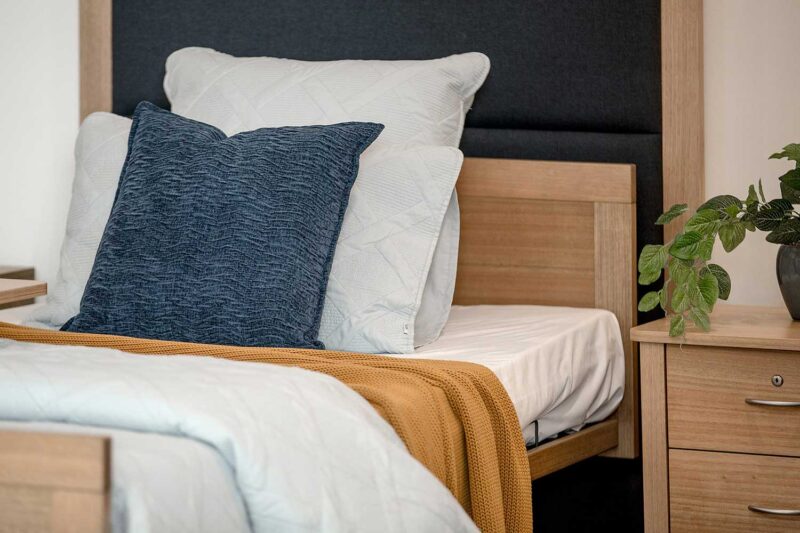
- Defines spaces clearly (living, dining, bedroom)
- Creates a sense of scale and flow
- Reinforces quality and care
- Signals that the home is “worth the price being asked”
As I often say:
“Buyers don’t separate the furniture from the property. They experience them as one package.”
That means furniture is directly influencing how justified a price feels.
Styling with the wrong furniture can quietly suppress sale price
One of the most overlooked issues in retirement villages is underestimating the role of furniture quality in pricing outcomes.
It is not just about having furniture in a space. It is about having the right furniture.
Common issues we see include:
- Pieces that are too small or too large for the room
- Residential furniture that doesn’t suit aged care or retirement contexts
- Inconsistent styles across display units
- Worn or mismatched items that reduce perceived value
Each of these creates subtle doubt in a buyer’s mind.
And doubt is the enemy of strong pricing.
As we often tell operators:
“If a buyer is unsure about the presentation, they will also be unsure about the price.”
Furniture defines the emotional ‘yes’ moment
In retirement living, decisions are rarely purely logical. They are emotional decisions supported by logic afterwards.
Furniture plays a critical role in creating that emotional “yes”.
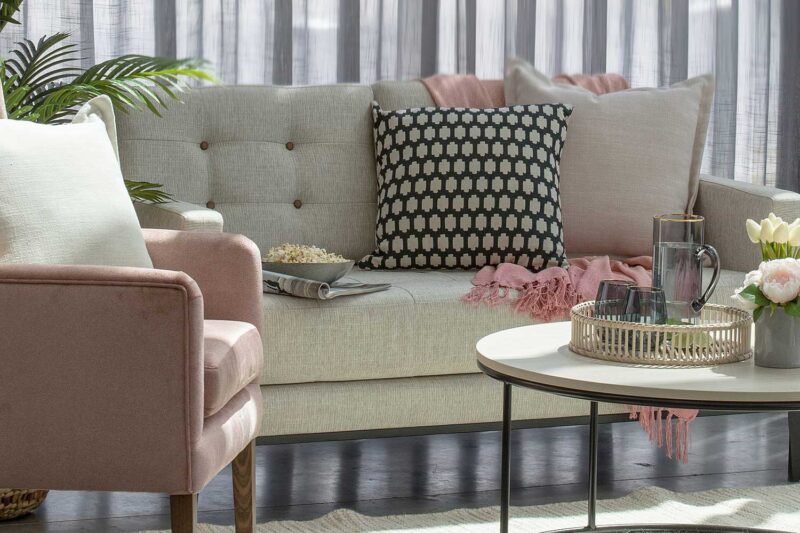
A well-furnished living room, for example, does more than show layout. It communicates:
- Comfort
- Safety
- Lifestyle
- Belonging
When buyers can picture themselves sitting in that space, the decision shifts.
As we often say:
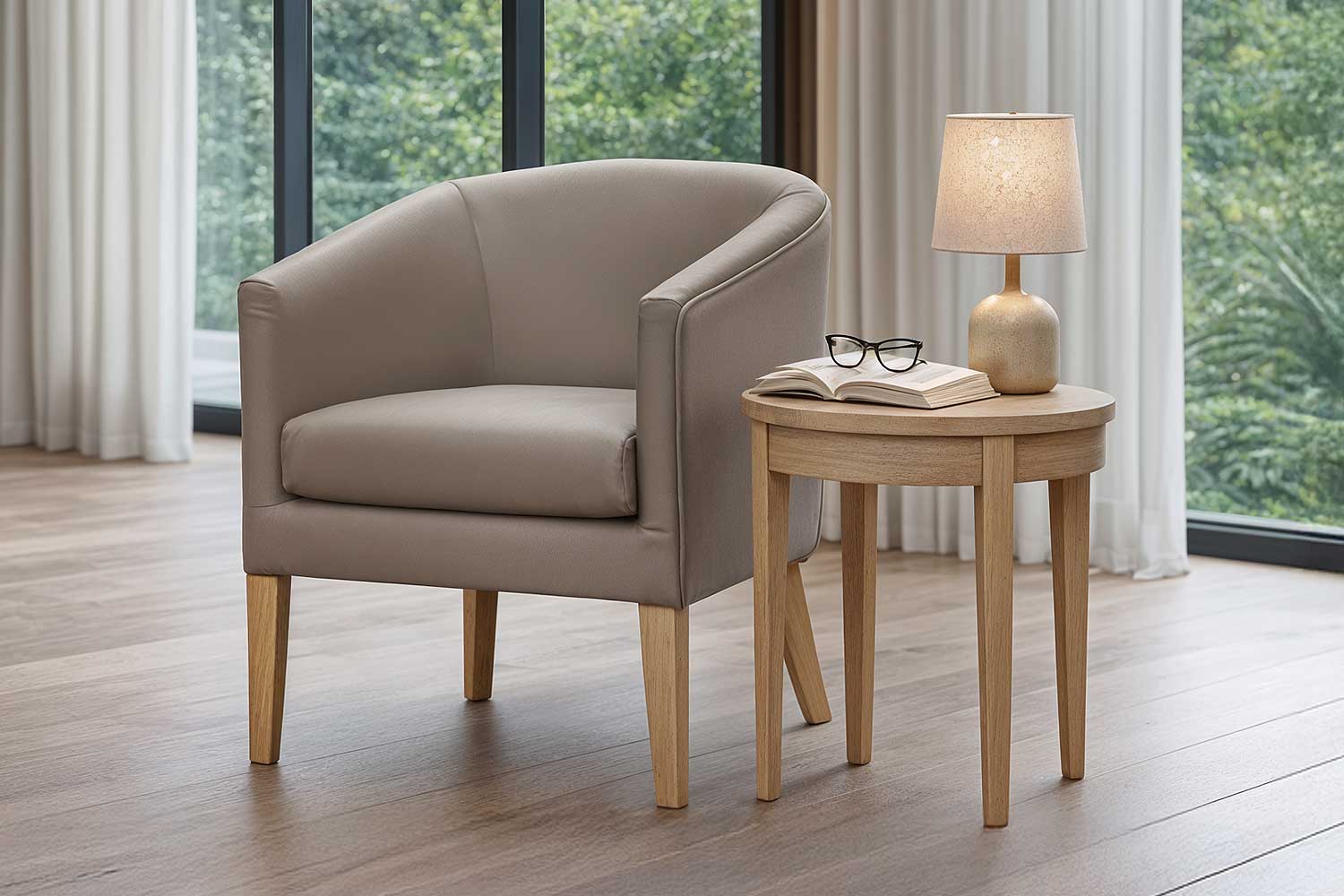
“People don’t buy floorplans. They buy the feeling of sitting in the armchair on a Sunday afternoon.”
That moment is where sale price is either supported or undermined.
Consistent furniture presentation protects pricing across a village
Another critical factor is consistency.
When different units within a village are furnished differently — or to different standards — it creates confusion for buyers.
And confusion often leads to price resistance.
Consistent furniture presentation across all display and resale units achieves three things:
- Reinforces brand quality across the village
- Creates predictable buyer expectations
- Supports stronger, more consistent pricing outcomes
From a practical perspective, it also reduces the “comparison gap” between units that can otherwise lead buyers to question value differences.
As we often explain:
“Consistency in furniture creates confidence in pricing.”
Furniture is not a finishing touch; it’s a pricing tool
The biggest misconception in retirement living is that furniture is the final step in presentation.
In reality, it is one of the earliest influences on perceived value.
Before brochures, before sales conversations, before pricing explanations — furniture has already done its job.
It has either supported the price… or weakened it.
As we often say:
“You don’t get a second chance to make a first impression, and in retirement living that impression is almost always furniture-led.”
10 Styling Tips for Retirement Villages
Here are 10 practical, on-the-ground styling tips specifically for retirement villages:
1. Start with furniture that fits the room — not the other way around
One of the most common mistakes is selecting furniture that is too large or too small for the space. Retirement living units often have tighter proportions, so every piece needs to be deliberately scaled. Correct sizing immediately improves flow and perceived value.
2. Use furniture to clearly define each zone
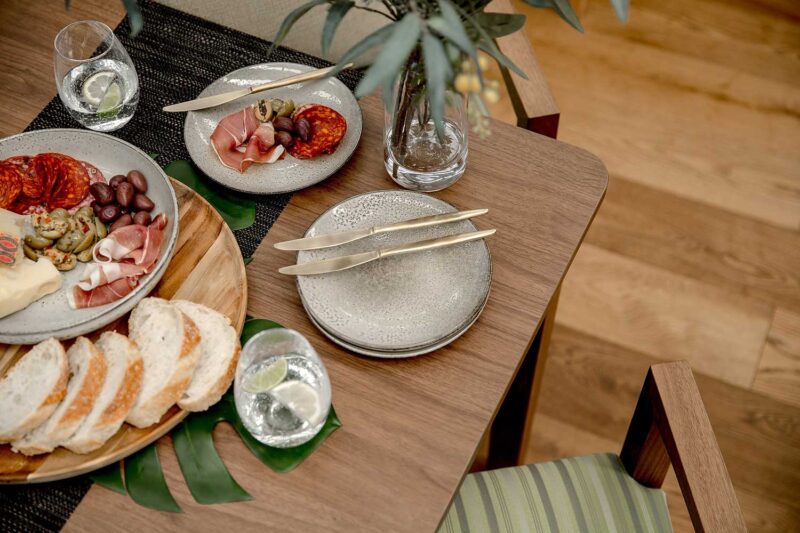
Open-plan layouts rely heavily on furniture placement. A sofa defines living. A rug anchors seating. A dining table creates separation. Without this, spaces feel vague and harder for buyers to interpret.
3. Prioritise comfort over “showroom” styling
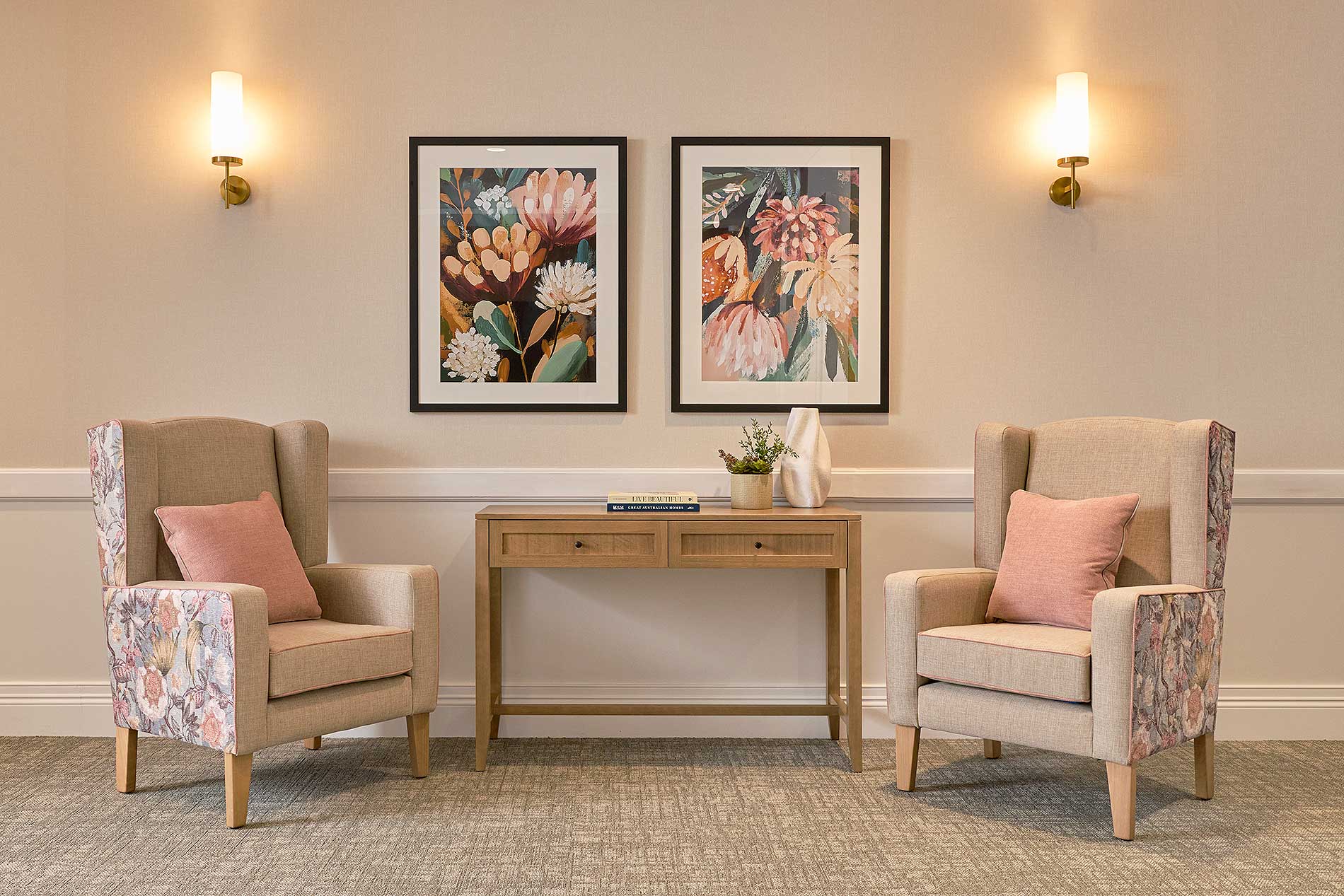
Buyers in retirement living are not responding to ultra-modern or high-design aesthetics. They respond to comfort cues — soft seating, supportive armchairs, and familiar forms. If it looks uncomfortable, it reads as “not for me”.
4. Keep furniture styling consistent across all display and resale units
Inconsistent presentation across units creates doubt. If one unit feels premium and another feels tired or mismatched, it can distort pricing confidence across the village.
5. Avoid over-furnishing small spaces
Less is almost always more. Overcrowding reduces circulation and makes rooms feel smaller than they are. Each piece should earn its place and serve a clear function.
6. Choose neutral, layered colour palettes with warmth
Sterile whites or overly bold palettes can alienate buyers. Instead, use warm neutrals layered with texture — timber tones, soft fabrics, and subtle accent colours. This creates familiarity without being bland.
7. Use furniture to signal quality — not just fill space
Even in rental or staged environments, furniture should feel intentional and well-made. Poor-quality or visibly worn pieces downgrade the perceived value of the entire home, regardless of the actual price point.
8. Make circulation paths obvious and natural
Furniture placement should guide movement through the home without forcing it. Buyers should instinctively understand how they move from kitchen to dining to living without hesitation.
9. Style for the “first 30 seconds” impact
Most buyers form their emotional judgement very quickly. The entry view — usually living and dining — should contain your strongest furniture arrangement and clearest lifestyle message.
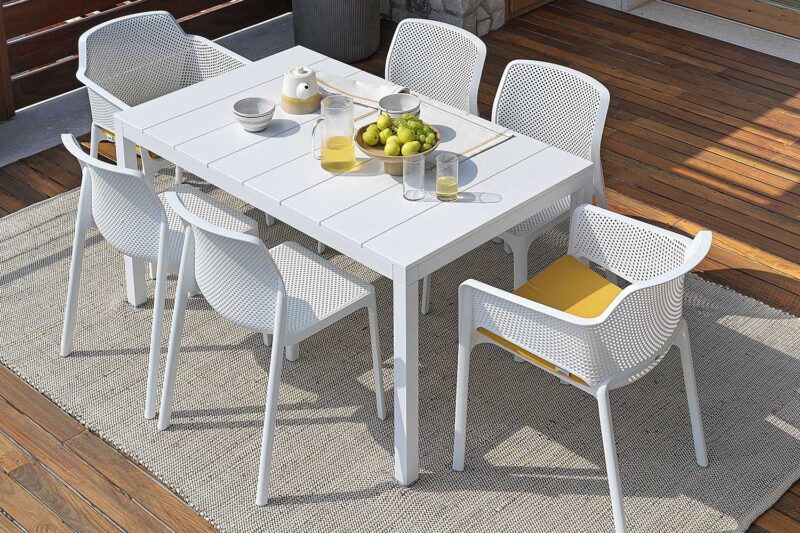
10. Treat outdoor furniture as part of the interior story
In retirement villages, outdoor living is often a major selling point. Poor or absent outdoor furniture can weaken the perceived size and value of the home. A simple, well-placed outdoor setting can significantly lift appeal.
Final thought
The link between styling and sale price is not abstract. It is physical, visible, and immediate.
And furniture sits right at the centre of it.
In my experience, when furniture is carefully selected, properly scaled, and consistently applied across a village, something important happens:
The price doesn’t need to be justified as much — because it already feels right.
And that is the hidden link most operators underestimate.
Australian Made Retirement Living Furniture
Recent Updates






The Hidden Link Between Styling and Sale Price in Retirement Living
In retirement living, sale price is often discussed as if it exists in isolation; a figure determined by location, demand, and timing.
But price is rarely just about the property itself.
It is about how the property feels the moment a buyer walks in.
And that feeling is almost always shaped first by furniture.
As we often say to clients:
“Furniture is the first language a home speaks.”
Furniture sets the financial tone before a word is said
When a prospective resident walks into a retirement unit, they are not analysing square metres or floorplans.
They are reacting emotionally to what they see in front of them and furniture is doing most of that communication.
A vacant room tells a buyer very little. In fact, it often creates hesitation.
But a well-furnished space immediately answers the key questions buyers are subconsciously asking:
- Will my furniture fit?
- Does this feel comfortable and familiar?
- Can I imagine my life here?
As we often explain:
“An empty room forces imagination. Furniture replaces imagination with certainty.”
That shift is what directly influences price confidence.
The quality of furniture influences the perceived value of the home
Not all furniture carries the same weight in a buyer’s mind.
In retirement living, furniture is not just decorative; it becomes part of the perceived value of the property itself.
If the furniture feels dated, mismatched or temporary, it can unintentionally downgrade the entire presentation of the home.
Conversely, well-chosen, well-proportioned furniture:
- Defines spaces clearly (living, dining, bedroom)
- Creates a sense of scale and flow
- Reinforces quality and care
- Signals that the home is “worth the price being asked”
As I often say:
“Buyers don’t separate the furniture from the property. They experience them as one package.”
That means furniture is directly influencing how justified a price feels.
Styling with the wrong furniture can quietly suppress sale price
One of the most overlooked issues in retirement villages is underestimating the role of furniture quality in pricing outcomes.
It is not just about having furniture in a space. It is about having the right furniture.
Common issues we see include:
- Pieces that are too small or too large for the room
- Residential furniture that doesn’t suit aged care or retirement contexts
- Inconsistent styles across display units
- Worn or mismatched items that reduce perceived value
Each of these creates subtle doubt in a buyer’s mind.
And doubt is the enemy of strong pricing.
As we often tell operators:
“If a buyer is unsure about the presentation, they will also be unsure about the price.”
Furniture defines the emotional ‘yes’ moment
In retirement living, decisions are rarely purely logical. They are emotional decisions supported by logic afterwards.
Furniture plays a critical role in creating that emotional “yes”.
A well-furnished living room, for example, does more than show layout. It communicates:
- Comfort
- Safety
- Lifestyle
- Belonging
When buyers can picture themselves sitting in that space, the decision shifts.
As we often say:
“People don’t buy floorplans. They buy the feeling of sitting in the armchair on a Sunday afternoon.”
That moment is where sale price is either supported or undermined.
Consistent furniture presentation protects pricing across a village
Another critical factor is consistency.
When different units within a village are furnished differently — or to different standards — it creates confusion for buyers.
And confusion often leads to price resistance.
Consistent furniture presentation across all display and resale units achieves three things:
- Reinforces brand quality across the village
- Creates predictable buyer expectations
- Supports stronger, more consistent pricing outcomes
From a practical perspective, it also reduces the “comparison gap” between units that can otherwise lead buyers to question value differences.
As we often explain:
“Consistency in furniture creates confidence in pricing.”
Furniture is not a finishing touch; it’s a pricing tool
The biggest misconception in retirement living is that furniture is the final step in presentation.
In reality, it is one of the earliest influences on perceived value.
Before brochures, before sales conversations, before pricing explanations — furniture has already done its job.
It has either supported the price… or weakened it.
As we often say:
“You don’t get a second chance to make a first impression, and in retirement living that impression is almost always furniture-led.”
10 Styling Tips for Retirement Villages
Here are 10 practical, on-the-ground styling tips specifically for retirement villages:
1. Start with furniture that fits the room — not the other way around
One of the most common mistakes is selecting furniture that is too large or too small for the space. Retirement living units often have tighter proportions, so every piece needs to be deliberately scaled. Correct sizing immediately improves flow and perceived value.
2. Use furniture to clearly define each zone
Open-plan layouts rely heavily on furniture placement. A sofa defines living. A rug anchors seating. A dining table creates separation. Without this, spaces feel vague and harder for buyers to interpret.
3. Prioritise comfort over “showroom” styling
Buyers in retirement living are not responding to ultra-modern or high-design aesthetics. They respond to comfort cues — soft seating, supportive armchairs, and familiar forms. If it looks uncomfortable, it reads as “not for me”.
4. Keep furniture styling consistent across all display and resale units
Inconsistent presentation across units creates doubt. If one unit feels premium and another feels tired or mismatched, it can distort pricing confidence across the village.
5. Avoid over-furnishing small spaces
Less is almost always more. Overcrowding reduces circulation and makes rooms feel smaller than they are. Each piece should earn its place and serve a clear function.
6. Choose neutral, layered colour palettes with warmth
Sterile whites or overly bold palettes can alienate buyers. Instead, use warm neutrals layered with texture — timber tones, soft fabrics, and subtle accent colours. This creates familiarity without being bland.
7. Use furniture to signal quality — not just fill space
Even in rental or staged environments, furniture should feel intentional and well-made. Poor-quality or visibly worn pieces downgrade the perceived value of the entire home, regardless of the actual price point.
8. Make circulation paths obvious and natural
Furniture placement should guide movement through the home without forcing it. Buyers should instinctively understand how they move from kitchen to dining to living without hesitation.
9. Style for the “first 30 seconds” impact
Most buyers form their emotional judgement very quickly. The entry view — usually living and dining — should contain your strongest furniture arrangement and clearest lifestyle message.
10. Treat outdoor furniture as part of the interior story
In retirement villages, outdoor living is often a major selling point. Poor or absent outdoor furniture can weaken the perceived size and value of the home. A simple, well-placed outdoor setting can significantly lift appeal.
Final thought
The link between styling and sale price is not abstract. It is physical, visible, and immediate.
And furniture sits right at the centre of it.
In my experience, when furniture is carefully selected, properly scaled, and consistently applied across a village, something important happens:
The price doesn’t need to be justified as much — because it already feels right.
And that is the hidden link most operators underestimate.