Aged Care Clinical Governance Isn’t Just About Policies, It’s Also About Furniture
Clinical governance in aged care is often associated with policies, audits, incident reporting and accreditation. While these systems are essential, they are only one part of delivering safe, high-quality care.
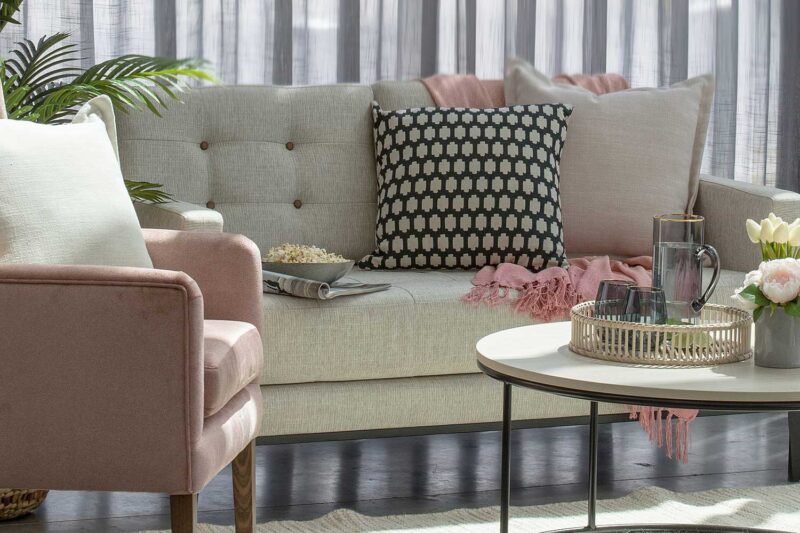
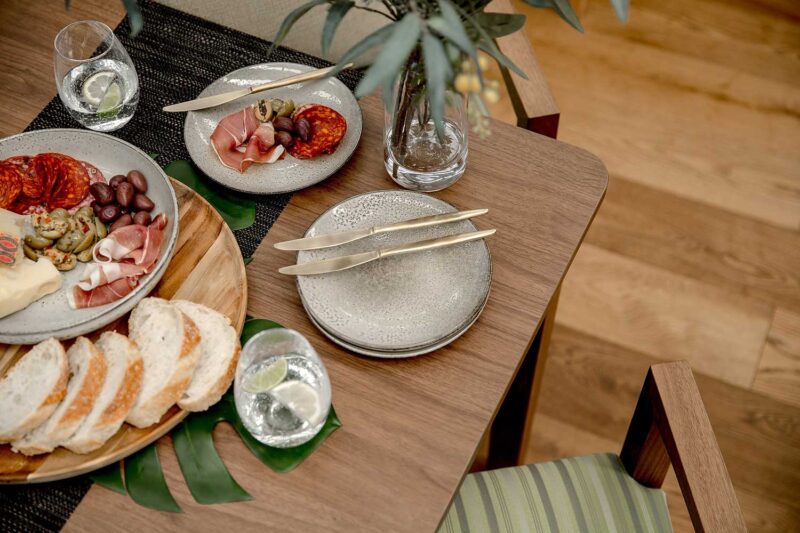
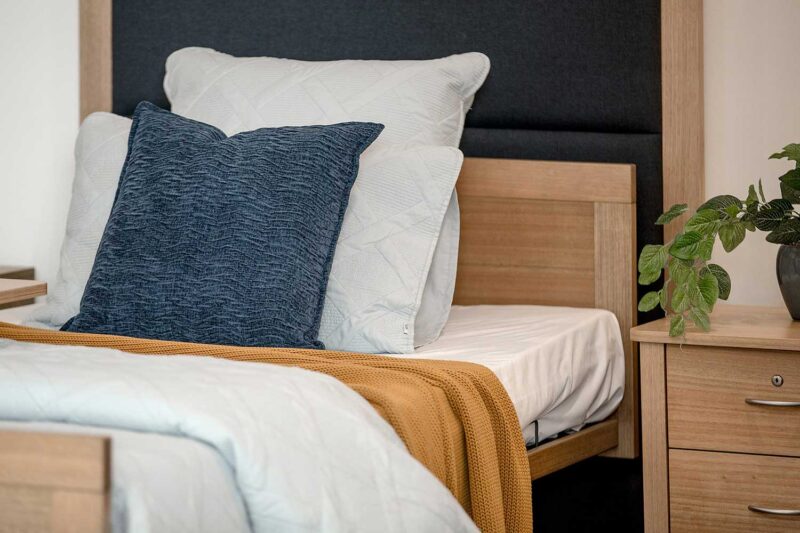
Every day, residents and staff interact with the physical environment far more than they interact with a policy manual. The armchair a resident sits in, the dining table they gather around, the bedside cabinet they reach for, and the staff workstation where clinical notes are completed all influence safety, independence, wellbeing and quality of care.
For aged care facility managers, this presents both a challenge and an opportunity. Furniture is often viewed as an operational expense that competes with countless other priorities. In reality, it is a long-term investment in clinical outcomes, resident experience and staff efficiency.
As Australia’s aged care sector continues to evolve, clinical governance is increasingly about creating environments that support quality care, not simply documenting it.
Clinical Governance Extends Beyond Clinical Care
Clinical governance is about ensuring every aspect of an organisation contributes to safe, effective, person-centred care.
That includes:
- Reducing preventable harm
- Supporting resident independence
- Enabling staff to work safely
- Maintaining a welcoming, home-like environment
- Managing organisational risk
- Continually improving quality
The built environment plays a significant role in each of these areas.
While furniture may not be the first thing discussed at a clinical governance meeting, it influences many of the outcomes those meetings are trying to improve.
The Hidden Risks of Ageing Furniture
Many facilities continue using furniture well beyond its intended service life because replacement budgets are limited. Unfortunately, ageing furniture can quietly introduce risks that become apparent only after an incident occurs.
Common issues include:
- Chairs that no longer provide adequate postural support
- Worn upholstery that cannot be effectively cleaned
- Loose joints or unstable frames
- Incorrect seat heights that make standing difficult
- Sharp edges or damaged surfaces
- Furniture that no longer meets the changing needs of residents
These issues don’t simply affect appearance. They can contribute to falls, skin injuries, manual handling challenges, infection control concerns and reduced resident confidence.
Replacing furniture before it becomes a clinical risk is often more cost-effective than responding to incidents after they occur.
Supporting Independence Through Better Furniture
One of the primary goals of modern aged care is enabling residents to remain as independent as possible.
Appropriate furniture supports this objective every day.
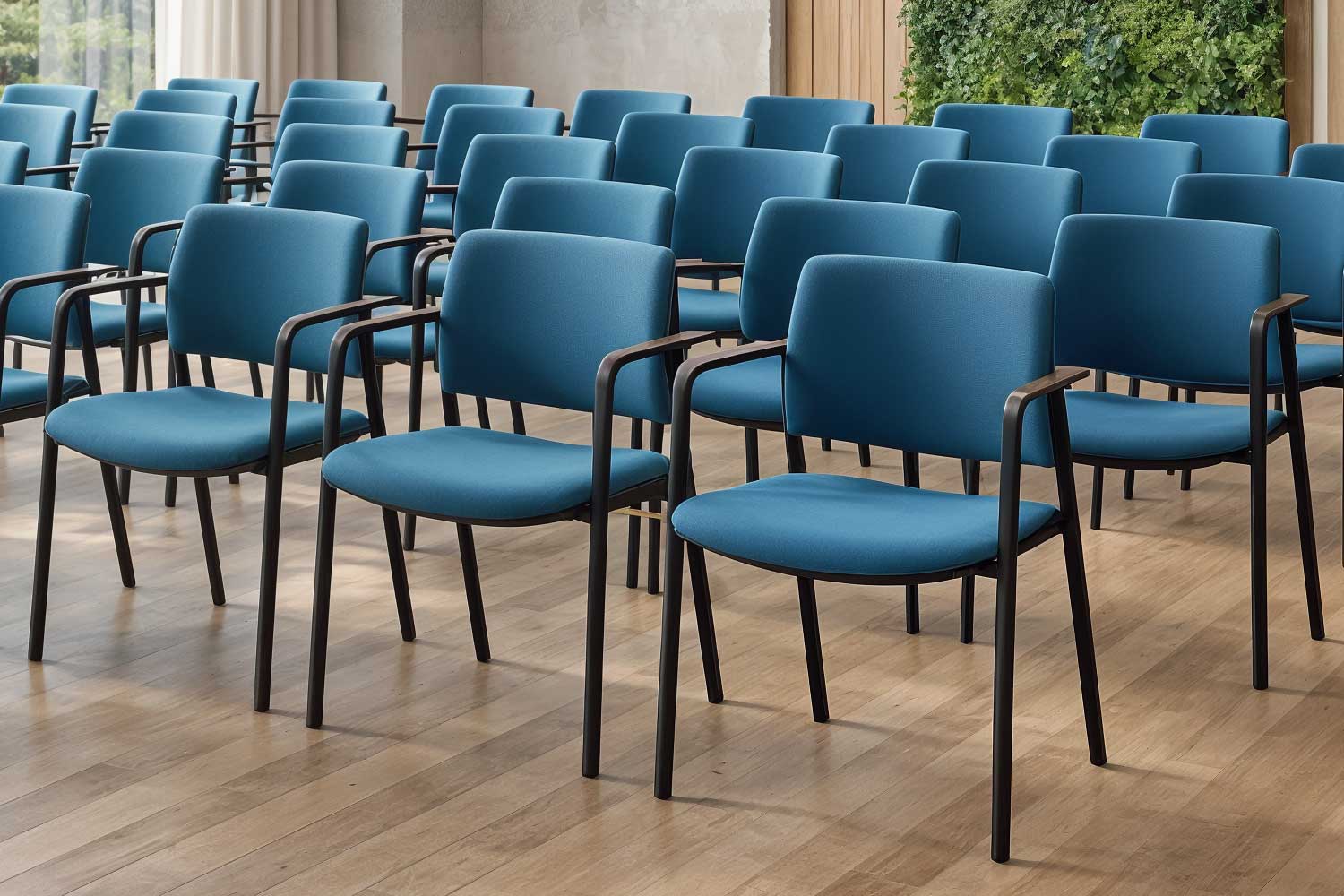
For example, a well-designed dining chair should:
- Provide stable armrests to assist with sit-to-stand transfers
- Have an appropriate seat height for the resident population
- Offer supportive backrests that encourage good posture
- Be easy to move without compromising stability
Similarly, bedroom furniture should promote safe movement rather than creating obstacles.
Small design decisions can make a significant difference to a resident’s confidence and ability to complete everyday tasks independently.
Reducing Staff Fatigue and Manual Handling Risks
Clinical governance also encompasses workforce wellbeing.
Care staff perform hundreds of manual handling tasks each week. Furniture that is difficult to move, poorly designed or inappropriate for the care environment increases physical strain and can contribute to workplace injuries.
When selecting furniture, consider questions such as:
- Can staff safely assist residents without awkward lifting?
- Is the furniture easy to clean and maintain?
- Can it be moved without excessive effort?
- Does it support efficient workflows?
Improving these everyday interactions benefits both staff and residents.
Infection Prevention Starts with Material Selection
Infection prevention and control remains a key priority across aged care.
Furniture plays an important role in supporting cleaning protocols.
Look for materials that are:
- Commercial grade
- Easy to clean
- Resistant to moisture penetration
- Durable under frequent cleaning
- Appropriate for healthcare environments
Well-specified upholstery and finishes help maintain hygiene standards while extending the life of the furniture.
Creating Environments That Feel Like Home
Residents don’t want to live in an institution. They want to live in a home.
Research consistently shows that thoughtfully designed environments contribute to wellbeing, social engagement and quality of life.
Clinical governance isn’t only about preventing harm. It is also about promoting positive outcomes.
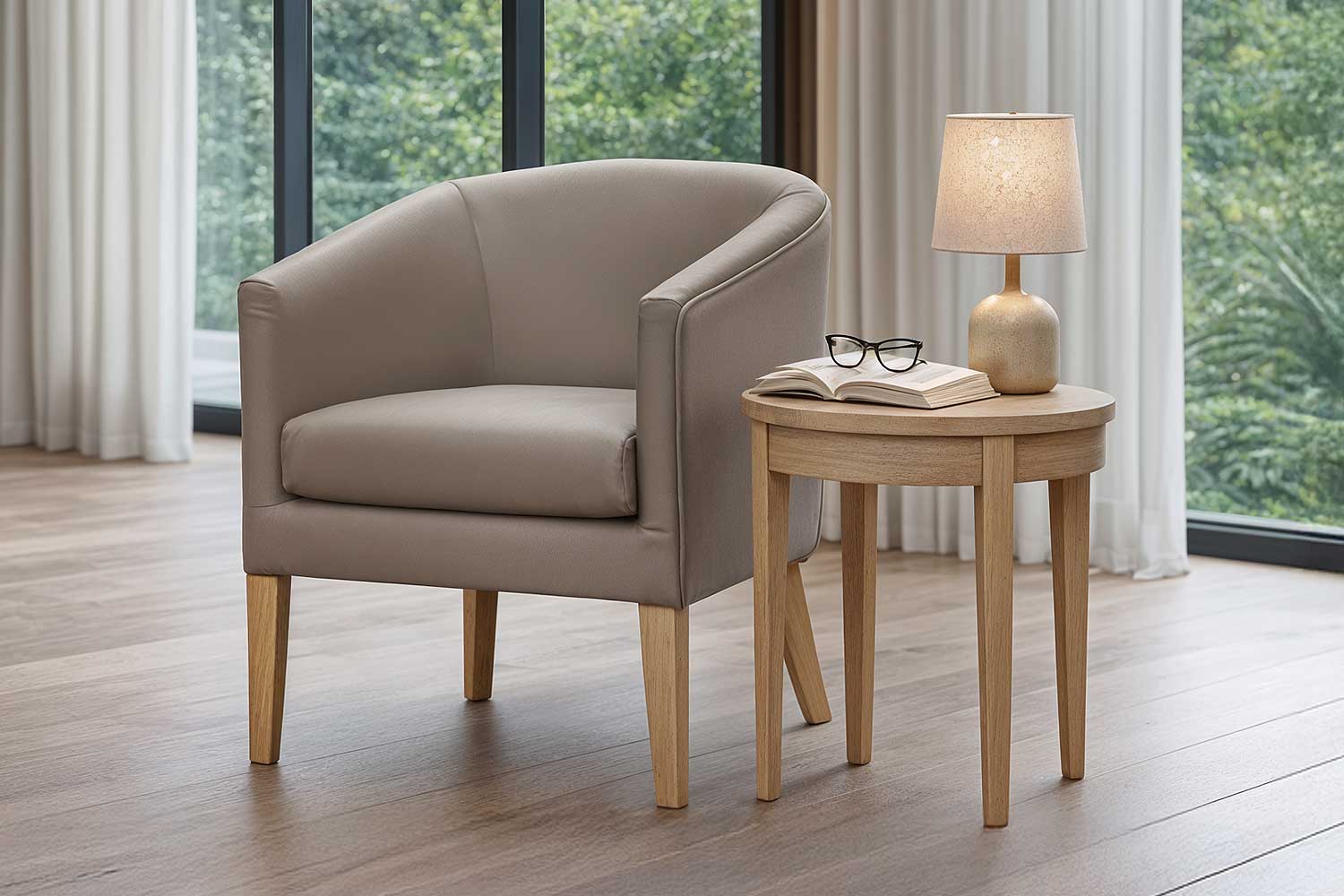
Furniture can help create:
- Comfortable communal spaces
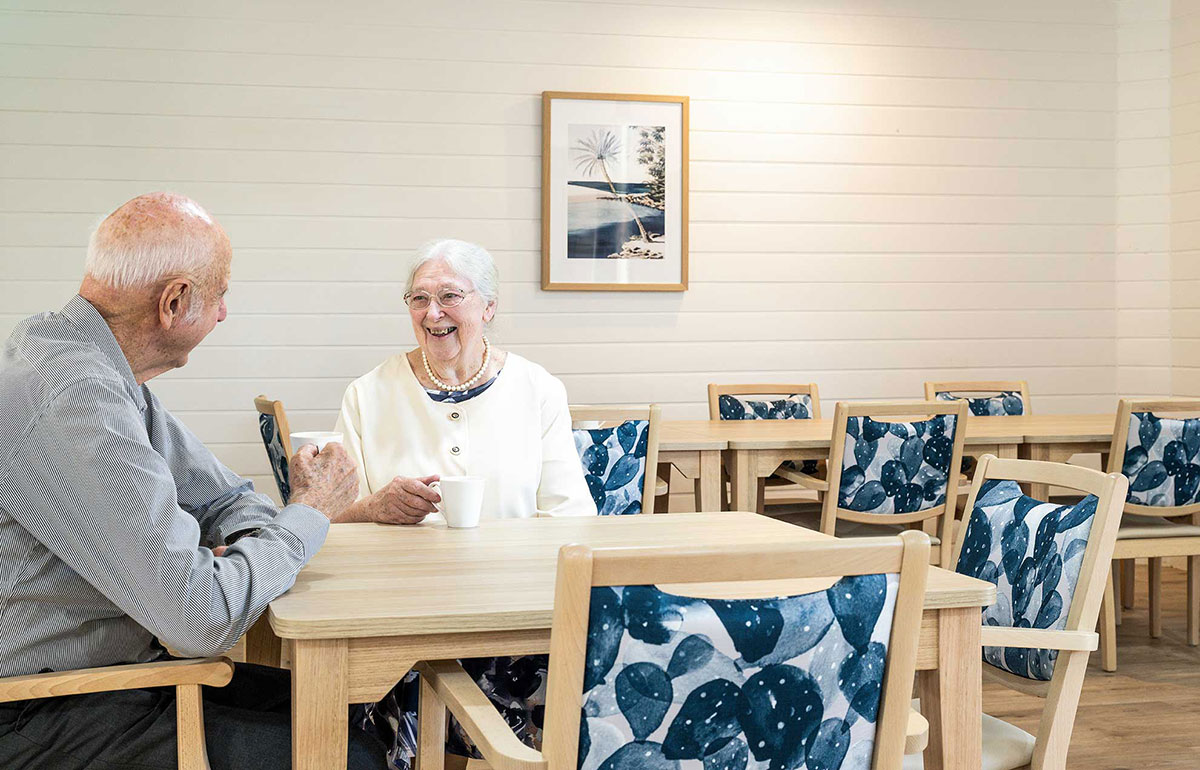
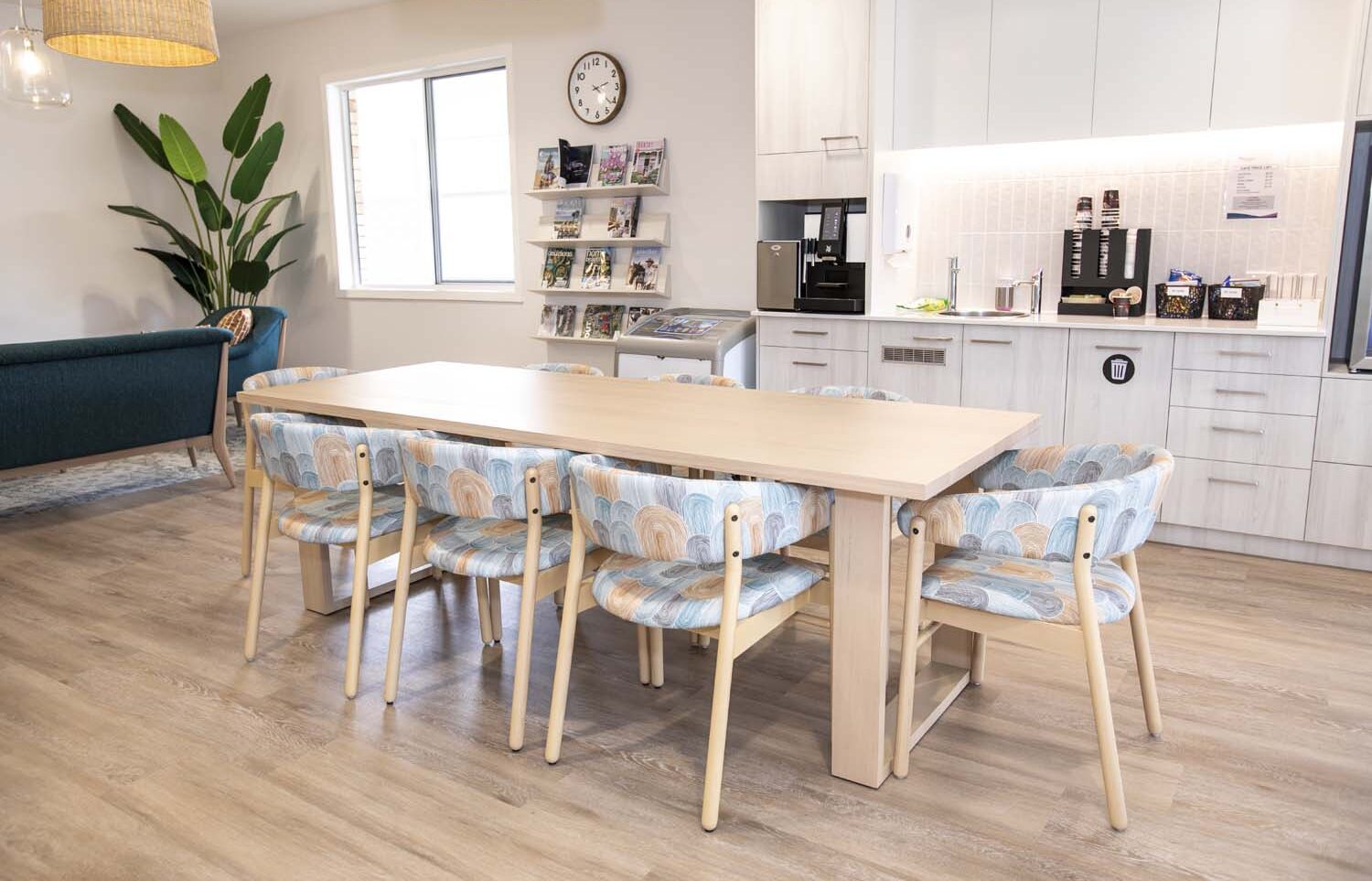
- Inviting dining areas
- Quiet retreat spaces
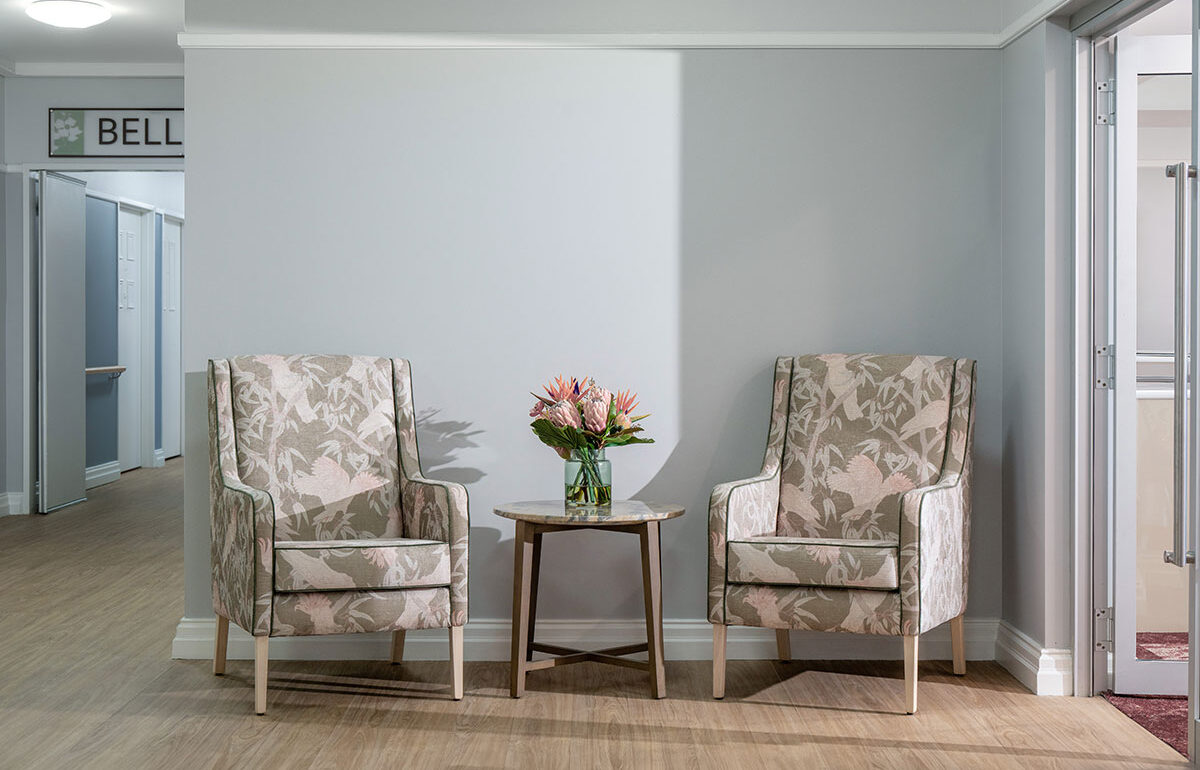
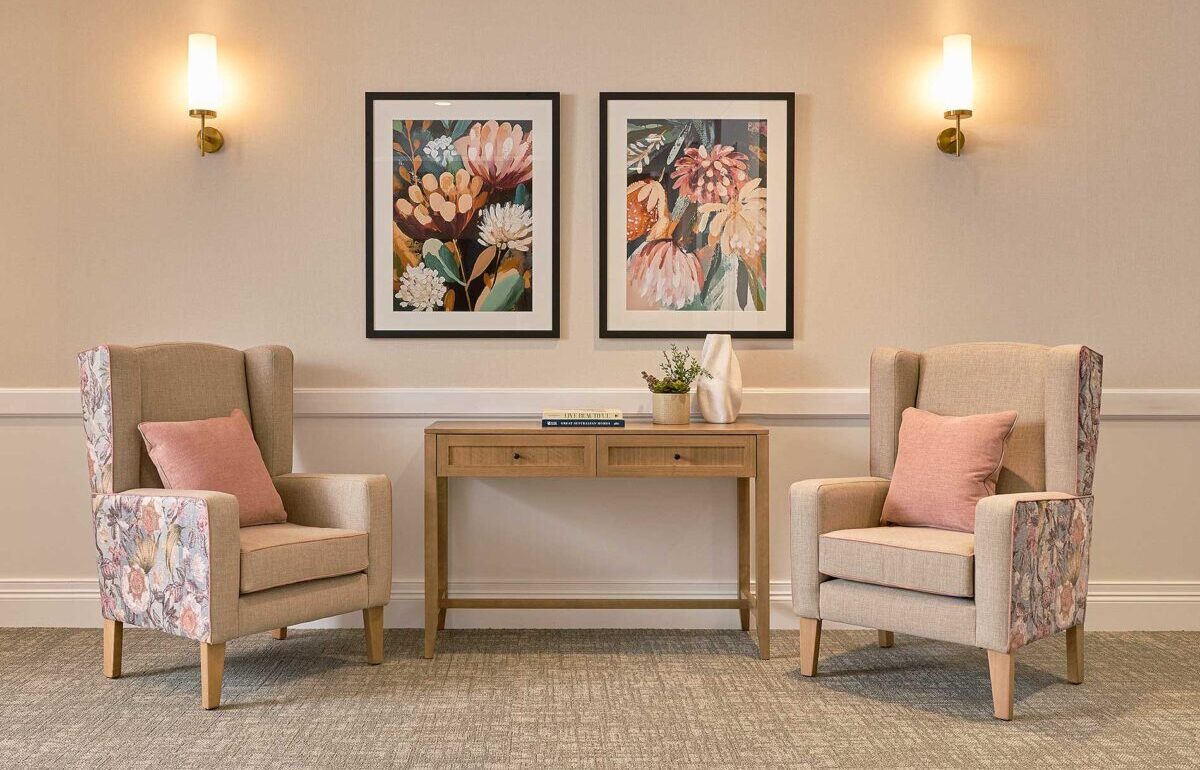
- Familiar residential aesthetics
- Opportunities for meaningful social interaction
These elements contribute to dignity, emotional wellbeing and resident satisfaction.
Looking Beyond the Purchase Price
Budget pressures often mean procurement decisions focus heavily on initial cost.
However, the cheapest furniture isn’t always the most economical over its lifetime.
Consider the broader costs associated with furniture that fails prematurely:
- Repairs
- Replacement
- Resident disruptions
- Staff time
- Clinical incidents
- Increased maintenance
A whole-of-life approach considers durability, warranty, maintenance requirements and suitability for the intended environment.
Commercial furniture designed specifically for aged care often delivers greater long-term value than products designed for residential use.
Questions Every Facility Manager Should Ask
Whether you’re replacing a single lounge area or planning a full refurbishment, asking the right questions can help reduce future risks.
Consider:
- Does this furniture support resident independence?
- Will it accommodate residents with changing mobility needs?
- Is it easy for staff to clean and maintain?
- Does it support safe manual handling practices?
- Will it withstand years of commercial use?
- Does it contribute to a welcoming, home-like environment?
- Can individual components be repaired or reupholstered instead of replaced?
- Does the supplier understand the unique requirements of aged care?
These questions shift procurement conversations from simply buying furniture to investing in better care environments.
Practical Actions You Can Take This Month
Improving your care environment doesn’t always require a major refurbishment. Small, proactive steps can make a meaningful difference.
1. Walk your facility with fresh eyes. Sit in resident chairs, open drawers, move tables and observe how residents and staff interact with the furniture. What seems routine may reveal hidden frustrations or risks.
2. Review incident trends. Are falls, manual handling issues or maintenance requests occurring in the same areas? Furniture may be one contributing factor worth investigating.
3. Prioritise high-risk items. Not every piece needs replacing at once. Focus first on furniture that directly affects resident safety, mobility or infection control.
4. Involve frontline staff. Care teams, cleaners and maintenance personnel often have valuable insights into which furniture works well and which creates daily challenges.
5. Plan proactively. Develop a staged furniture replacement program based on condition, risk and expected lifespan instead of waiting for items to fail.
Clinical Governance Is Experienced Every Day
Residents don’t judge quality care by reading policies. They experience it through every interaction with their environment.
A supportive chair can help someone maintain their independence. A well-designed dining space can encourage connection and nutrition. Durable, fit-for-purpose furniture can reduce risks for residents while making everyday work easier for staff.
Clinical governance isn’t confined to board reports or accreditation visits. It is reflected in the spaces where people live, work and receive care every day.
For aged care facility managers, viewing furniture as part of your clinical governance strategy, rather than simply another facilities expense, can help create safer environments, support better outcomes and enhance the daily experience of everyone who walks through your doors.
About FHG
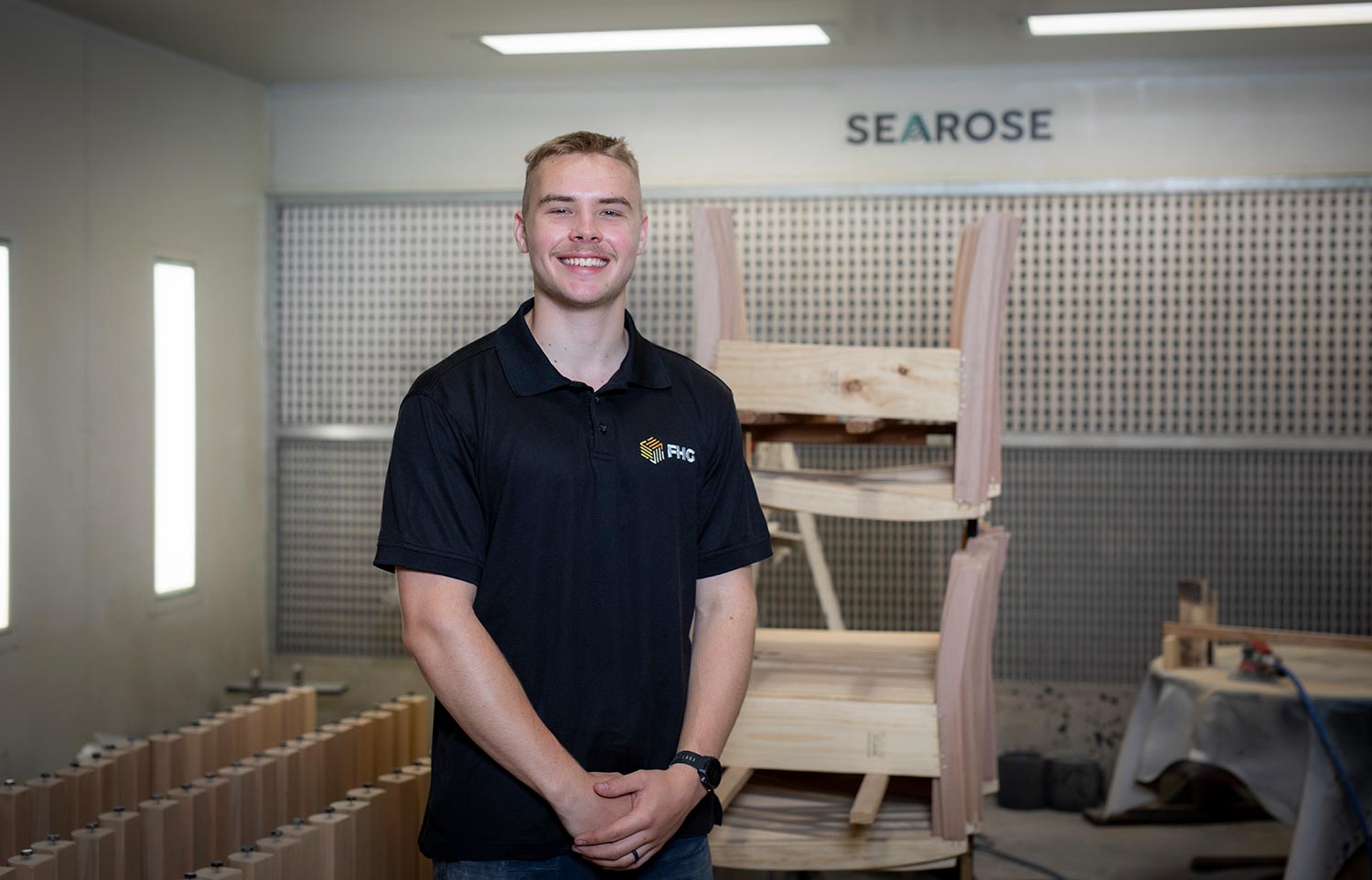
At FHG, we believe furniture should do more than fill a room. It should support safer care, promote independence, withstand the demands of commercial environments and create spaces that genuinely feel like home. We work alongside aged care providers across Australia to design, manufacture and install commercial furniture solutions that balance clinical performance with warmth, comfort and long-term value. Whether you’re planning a refurbishment or reviewing your current environment, our team can help you create spaces that support both your residents and your staff.
Recent Updates



Aged Care Clinical Governance Isn’t Just About Policies, It’s Also About Furniture
Clinical governance in aged care is often associated with policies, audits, incident reporting and accreditation. While these systems are essential, they are only one part of delivering safe, high-quality care.
Every day, residents and staff interact with the physical environment far more than they interact with a policy manual. The armchair a resident sits in, the dining table they gather around, the bedside cabinet they reach for, and the staff workstation where clinical notes are completed all influence safety, independence, wellbeing and quality of care.
For aged care facility managers, this presents both a challenge and an opportunity. Furniture is often viewed as an operational expense that competes with countless other priorities. In reality, it is a long-term investment in clinical outcomes, resident experience and staff efficiency.
As Australia’s aged care sector continues to evolve, clinical governance is increasingly about creating environments that support quality care, not simply documenting it.
Clinical Governance Extends Beyond Clinical Care
Clinical governance is about ensuring every aspect of an organisation contributes to safe, effective, person-centred care.
That includes:
- Reducing preventable harm
- Supporting resident independence
- Enabling staff to work safely
- Maintaining a welcoming, home-like environment
- Managing organisational risk
- Continually improving quality
The built environment plays a significant role in each of these areas.
While furniture may not be the first thing discussed at a clinical governance meeting, it influences many of the outcomes those meetings are trying to improve.
The Hidden Risks of Ageing Furniture
Many facilities continue using furniture well beyond its intended service life because replacement budgets are limited. Unfortunately, ageing furniture can quietly introduce risks that become apparent only after an incident occurs.
Common issues include:
- Chairs that no longer provide adequate postural support
- Worn upholstery that cannot be effectively cleaned
- Loose joints or unstable frames
- Incorrect seat heights that make standing difficult
- Sharp edges or damaged surfaces
- Furniture that no longer meets the changing needs of residents
These issues don’t simply affect appearance. They can contribute to falls, skin injuries, manual handling challenges, infection control concerns and reduced resident confidence.
Replacing furniture before it becomes a clinical risk is often more cost-effective than responding to incidents after they occur.
Supporting Independence Through Better Furniture
One of the primary goals of modern aged care is enabling residents to remain as independent as possible.
Appropriate furniture supports this objective every day.
For example, a well-designed dining chair should:
- Provide stable armrests to assist with sit-to-stand transfers
- Have an appropriate seat height for the resident population
- Offer supportive backrests that encourage good posture
- Be easy to move without compromising stability
Similarly, bedroom furniture should promote safe movement rather than creating obstacles.
Small design decisions can make a significant difference to a resident’s confidence and ability to complete everyday tasks independently.
Reducing Staff Fatigue and Manual Handling Risks
Clinical governance also encompasses workforce wellbeing.
Care staff perform hundreds of manual handling tasks each week. Furniture that is difficult to move, poorly designed or inappropriate for the care environment increases physical strain and can contribute to workplace injuries.
When selecting furniture, consider questions such as:
- Can staff safely assist residents without awkward lifting?
- Is the furniture easy to clean and maintain?
- Can it be moved without excessive effort?
- Does it support efficient workflows?
Improving these everyday interactions benefits both staff and residents.
Infection Prevention Starts with Material Selection
Infection prevention and control remains a key priority across aged care.
Furniture plays an important role in supporting cleaning protocols.
Look for materials that are:
- Commercial grade
- Easy to clean
- Resistant to moisture penetration
- Durable under frequent cleaning
- Appropriate for healthcare environments
Well-specified upholstery and finishes help maintain hygiene standards while extending the life of the furniture.
Creating Environments That Feel Like Home
Residents don’t want to live in an institution. They want to live in a home.
Research consistently shows that thoughtfully designed environments contribute to wellbeing, social engagement and quality of life.
Clinical governance isn’t only about preventing harm. It is also about promoting positive outcomes.
Furniture can help create:
- Comfortable communal spaces
- Inviting dining areas
- Quiet retreat spaces
- Familiar residential aesthetics
- Opportunities for meaningful social interaction
These elements contribute to dignity, emotional wellbeing and resident satisfaction.
Looking Beyond the Purchase Price
Budget pressures often mean procurement decisions focus heavily on initial cost.
However, the cheapest furniture isn’t always the most economical over its lifetime.
Consider the broader costs associated with furniture that fails prematurely:
- Repairs
- Replacement
- Resident disruptions
- Staff time
- Clinical incidents
- Increased maintenance
A whole-of-life approach considers durability, warranty, maintenance requirements and suitability for the intended environment.
Commercial furniture designed specifically for aged care often delivers greater long-term value than products designed for residential use.
Questions Every Facility Manager Should Ask
Whether you’re replacing a single lounge area or planning a full refurbishment, asking the right questions can help reduce future risks.
Consider:
- Does this furniture support resident independence?
- Will it accommodate residents with changing mobility needs?
- Is it easy for staff to clean and maintain?
- Does it support safe manual handling practices?
- Will it withstand years of commercial use?
- Does it contribute to a welcoming, home-like environment?
- Can individual components be repaired or reupholstered instead of replaced?
- Does the supplier understand the unique requirements of aged care?
These questions shift procurement conversations from simply buying furniture to investing in better care environments.
Practical Actions You Can Take This Month
Improving your care environment doesn’t always require a major refurbishment. Small, proactive steps can make a meaningful difference.
1. Walk your facility with fresh eyes. Sit in resident chairs, open drawers, move tables and observe how residents and staff interact with the furniture. What seems routine may reveal hidden frustrations or risks.
2. Review incident trends. Are falls, manual handling issues or maintenance requests occurring in the same areas? Furniture may be one contributing factor worth investigating.
3. Prioritise high-risk items. Not every piece needs replacing at once. Focus first on furniture that directly affects resident safety, mobility or infection control.
4. Involve frontline staff. Care teams, cleaners and maintenance personnel often have valuable insights into which furniture works well and which creates daily challenges.
5. Plan proactively. Develop a staged furniture replacement program based on condition, risk and expected lifespan instead of waiting for items to fail.
Clinical Governance Is Experienced Every Day
Residents don’t judge quality care by reading policies. They experience it through every interaction with their environment.
A supportive chair can help someone maintain their independence. A well-designed dining space can encourage connection and nutrition. Durable, fit-for-purpose furniture can reduce risks for residents while making everyday work easier for staff.
Clinical governance isn’t confined to board reports or accreditation visits. It is reflected in the spaces where people live, work and receive care every day.
For aged care facility managers, viewing furniture as part of your clinical governance strategy, rather than simply another facilities expense, can help create safer environments, support better outcomes and enhance the daily experience of everyone who walks through your doors.
About FHG
At FHG, we believe furniture should do more than fill a room. It should support safer care, promote independence, withstand the demands of commercial environments and create spaces that genuinely feel like home. We work alongside aged care providers across Australia to design, manufacture and install commercial furniture solutions that balance clinical performance with warmth, comfort and long-term value. Whether you’re planning a refurbishment or reviewing your current environment, our team can help you create spaces that support both your residents and your staff.