Building More Aged Care Beds: Why Furniture Planning Should Start Before Construction Begins
The announcement that Illawarra has received $26 million in funding to support 73 new beds highlights the continued investment needed to meet Australia’s growing demand for quality aged care environments.
While the focus is often placed on the number of new places being created, successful aged care developments require much more than additional accommodation. They require carefully considered environments that support residents’ comfort, independence, wellbeing and connection.
From resident rooms and lounges to dining areas, activity spaces and communal areas, every element contributes to the experience of living in aged care.
This is why aged care procurement should begin well before construction is complete.
Why furniture planning is a critical part of aged care procurement
When a new aged care development is being planned, furniture is sometimes considered towards the end of the project timeline. However, waiting too long can limit design choices, create delivery challenges and prevent furniture from being fully integrated into the overall environment.
Early furniture planning allows providers, architects and design teams to consider how each space will function once residents move in.
Key considerations include:
- How residents will use different areas throughout the day
- How furniture supports independence and mobility
- How spaces encourage social interaction and connection
- How materials perform under the demands of an aged care environment
- How furniture choices align with cleaning, maintenance and operational requirements
- Manufacturing and installation timelines
Effective aged care procurement is not simply about selecting products, it is about creating environments that support quality care and quality of life.
Creating places that feel like home
The creation of new aged care places represents an opportunity to rethink what residential aged care environments can be.
For residents, these spaces become their homes. They are where they relax, welcome family and friends, share meals, participate in activities and build relationships with their community.
Furniture plays an important role in creating this sense of belonging.
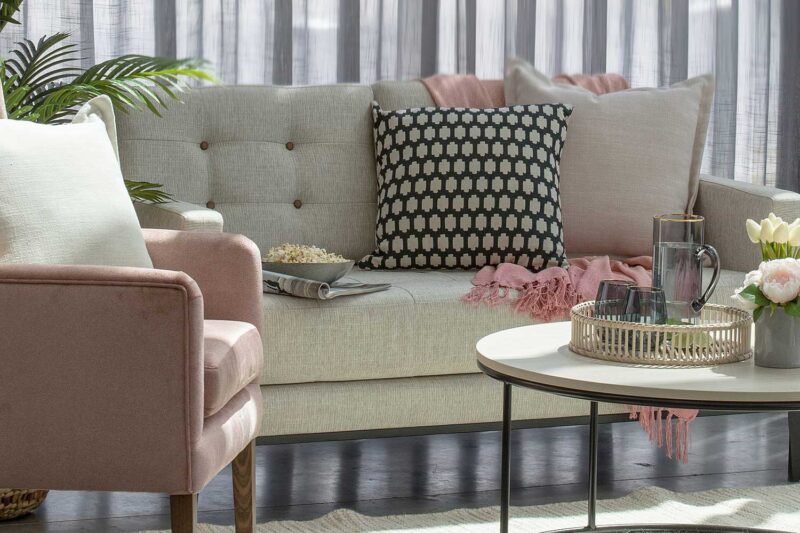
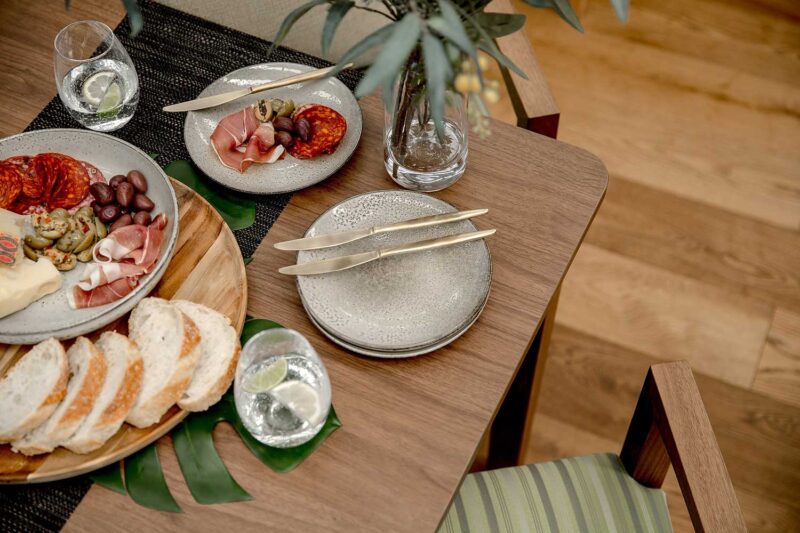
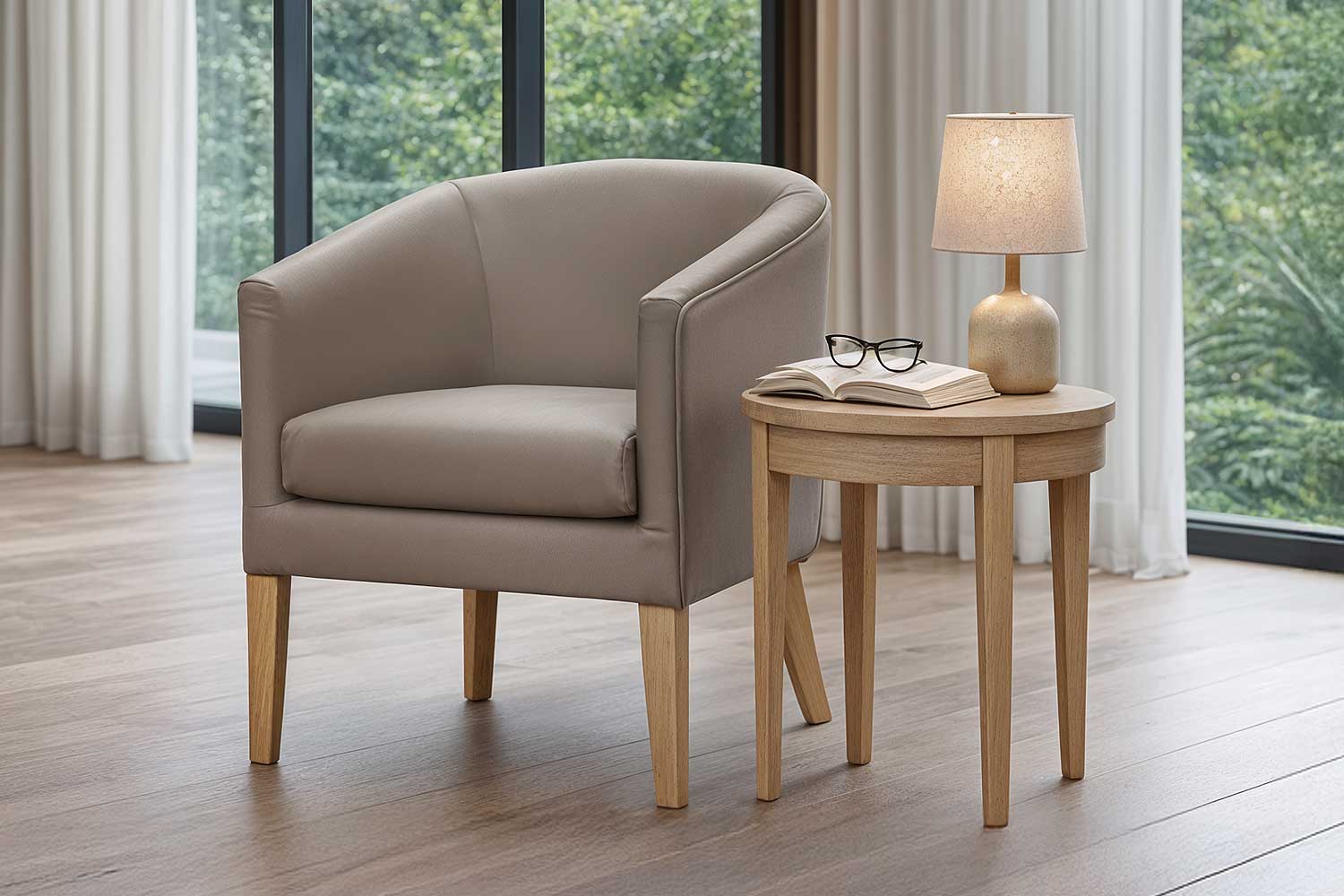
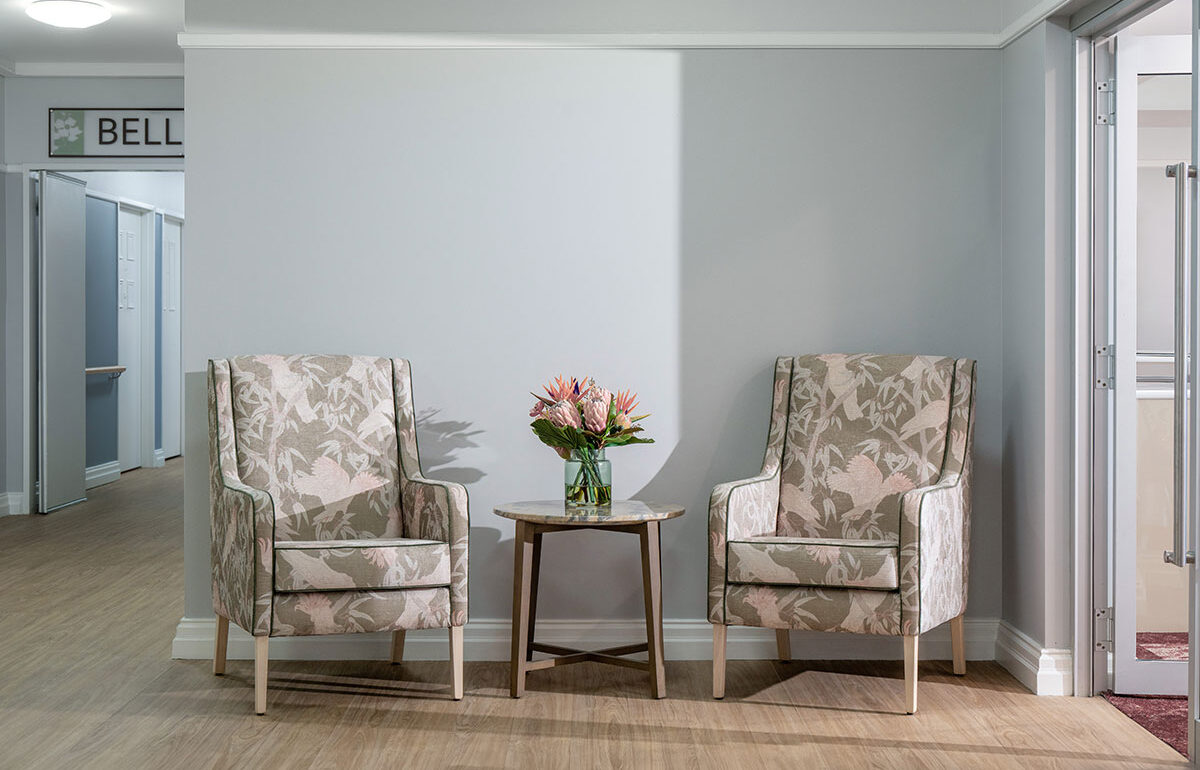
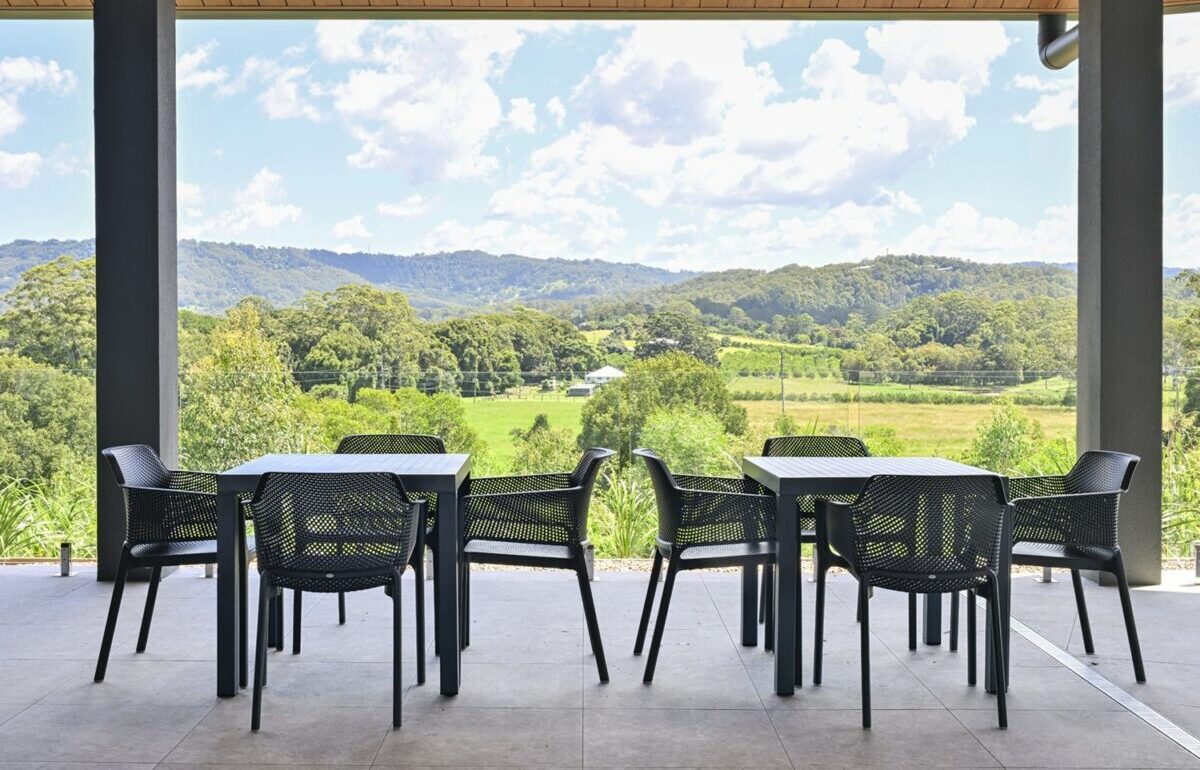
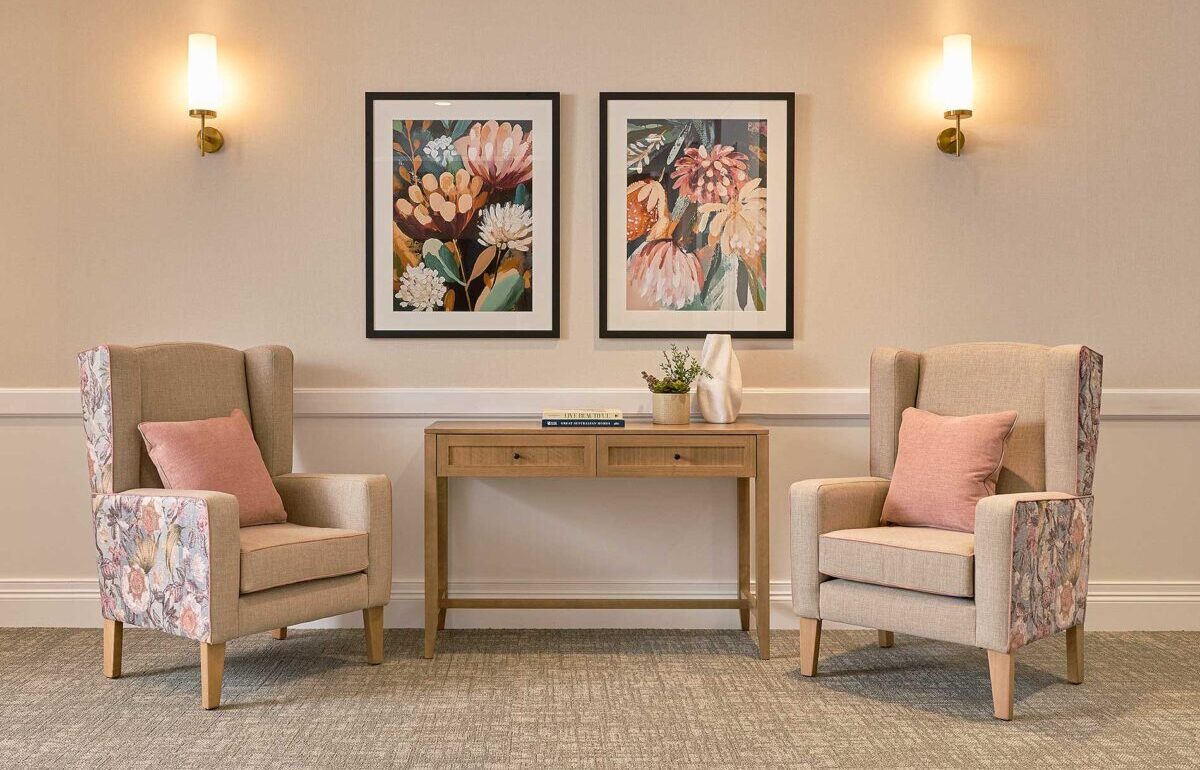
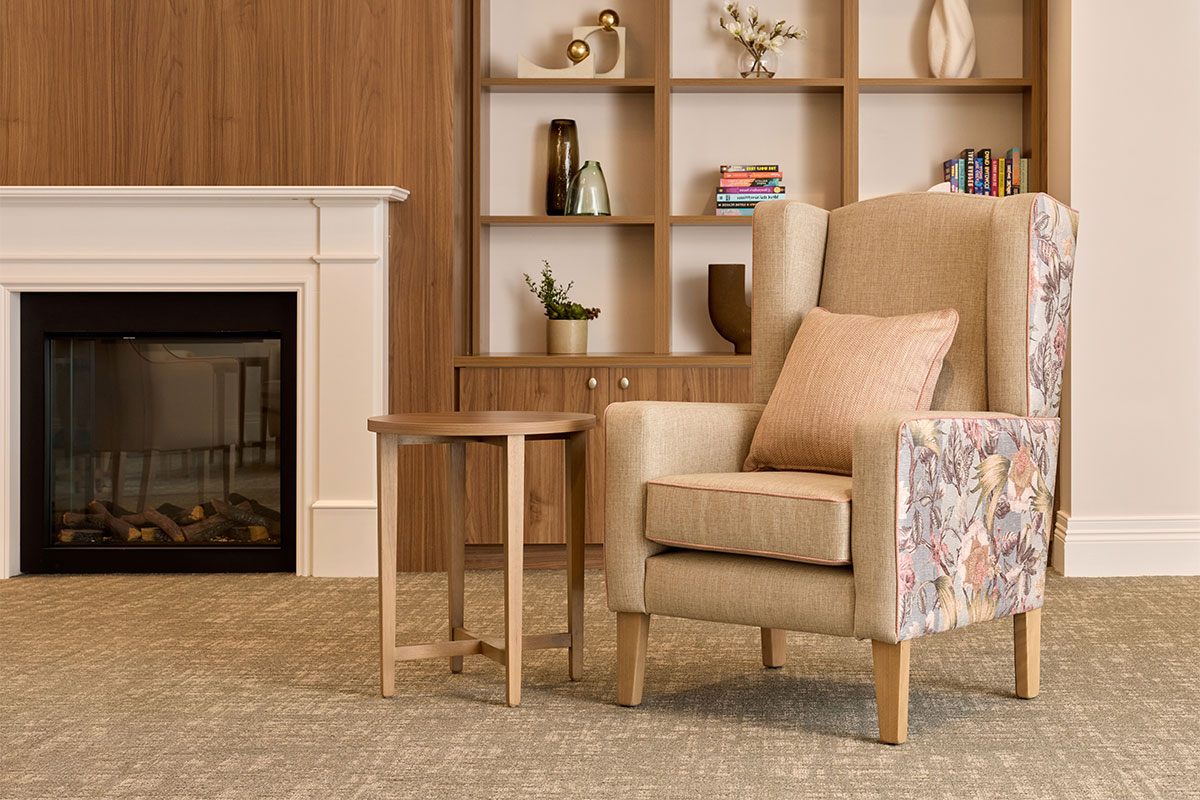
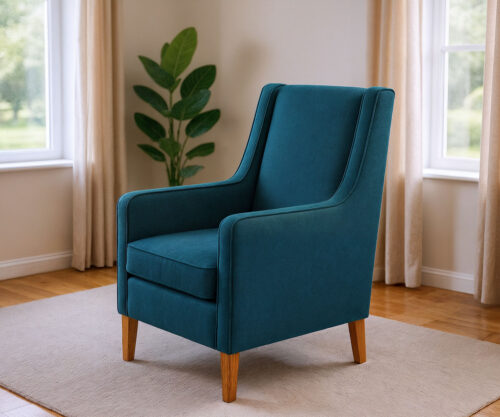
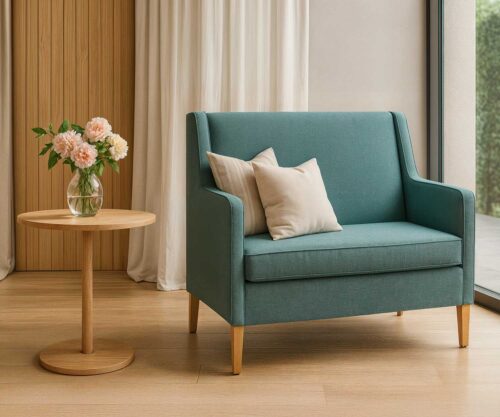
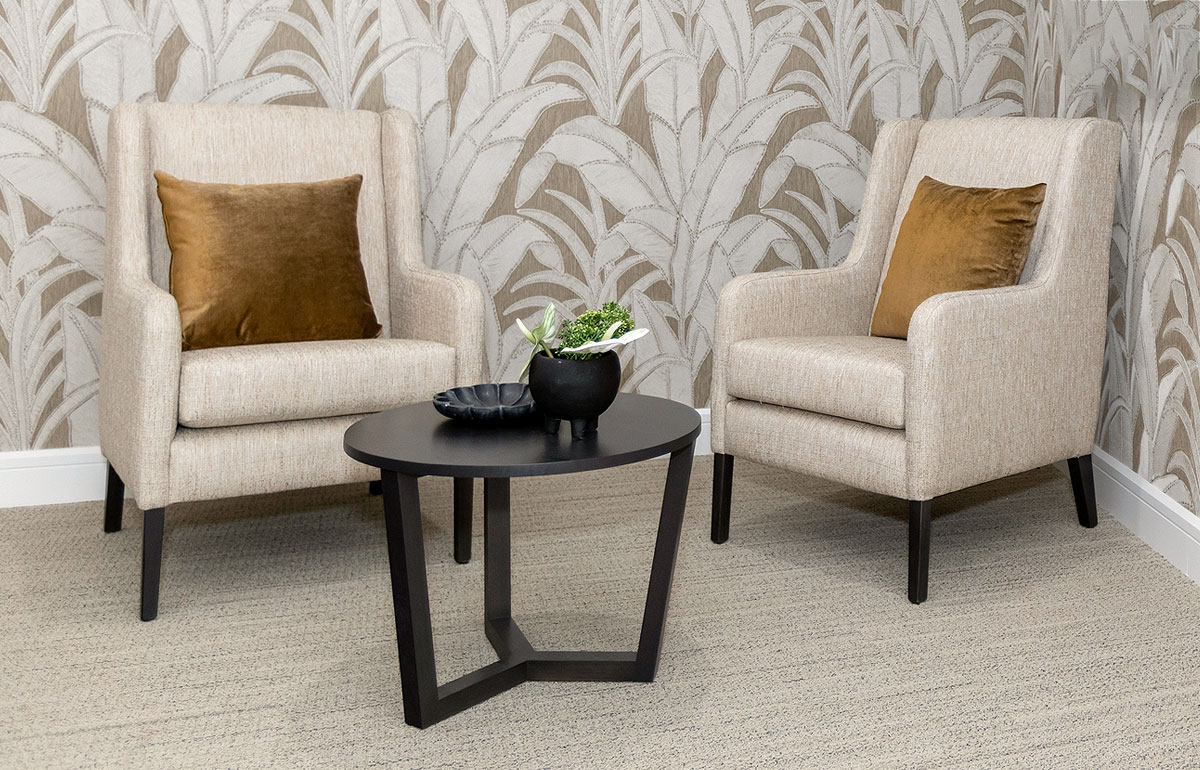
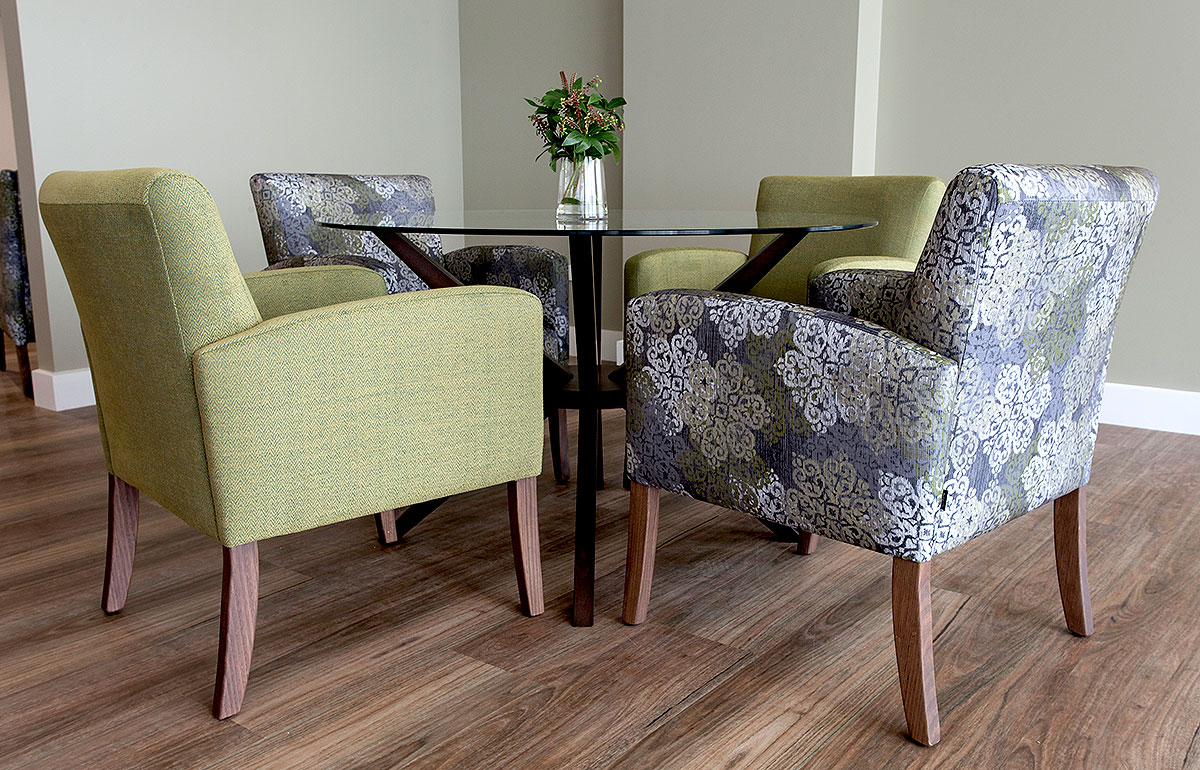
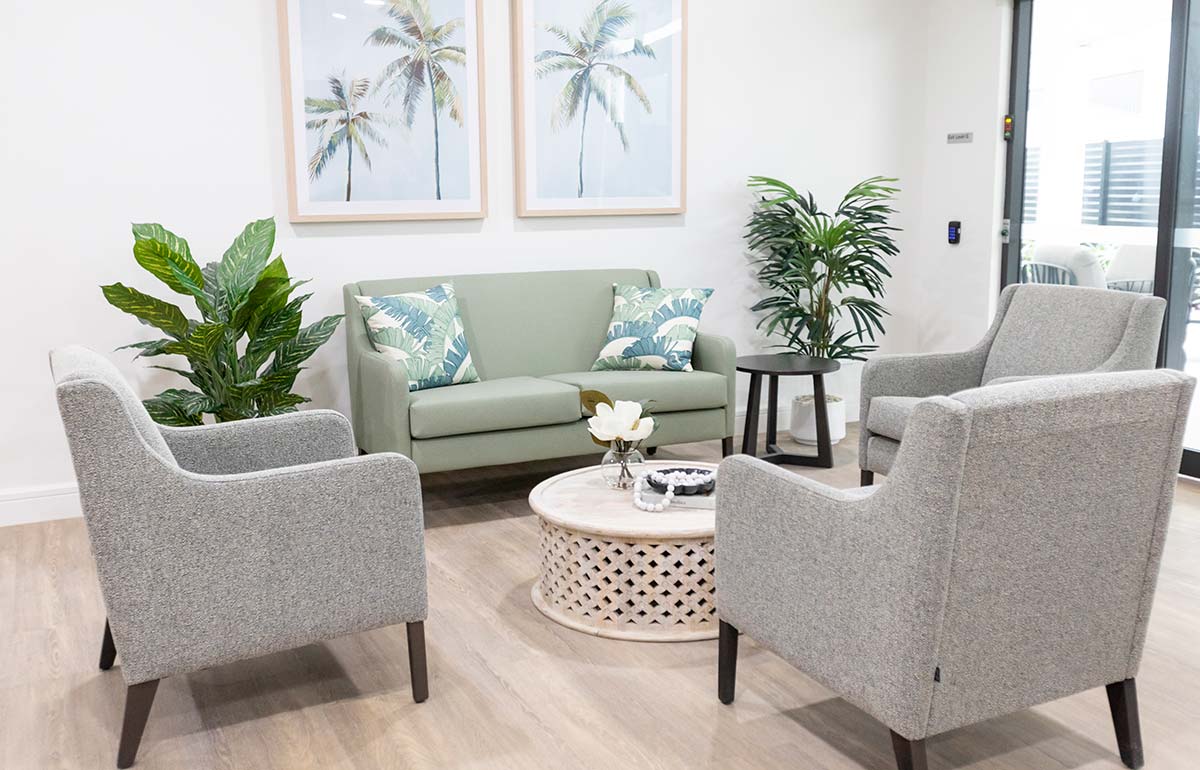
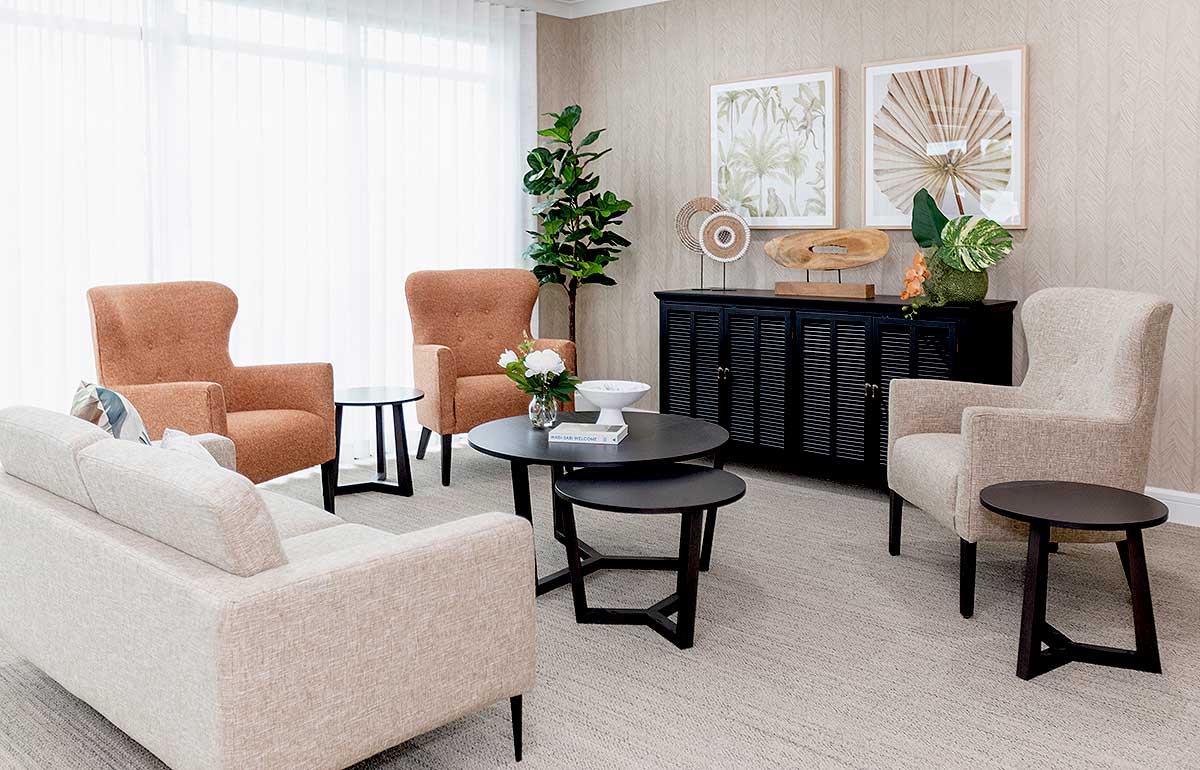
A comfortable lounge setting can encourage conversation between residents. A thoughtfully designed dining space can make mealtimes more enjoyable and familiar. Well-considered seating throughout communal areas can support independence while creating welcoming spaces for connection.
The right furniture choices help transform a building into a living environment.
Supporting modern aged care design principles
The continued investment in aged care infrastructure reflects a broader shift towards environments that prioritise dignity, choice and resident wellbeing.
Modern aged care design considers how physical spaces influence the daily experiences of older Australians.
Furniture selection supports these goals by helping create spaces that are:
Comfortable and supportive
Furniture needs to accommodate a range of mobility requirements while maintaining a residential, welcoming feel.
Safe and practical
Care environments require furniture that supports safe movement, easy cleaning and long-term durability.
Personal and familiar
Design details, textures, colours and furnishings can help create environments that feel less institutional and more connected to home.
Why early collaboration improves aged care projects
Aged care projects involve collaboration between many stakeholders, including operators, architects, interior designers, builders, procurement teams and furniture specialists.
Bringing furniture expertise into the project early helps ensure that design intent, functionality and operational needs are considered together.
At FHG, our Project Consultants work alongside aged care providers and design teams to develop furniture solutions tailored to each project’s requirements.
From initial design discussions and material selections through to manufacturing, delivery and installation, early involvement helps create a smoother project process and better outcomes for residents and operators.
Planning for the future of aged care
The Illawarra investment is one example of the ongoing work needed to expand Australia’s aged care capacity and create environments where older Australians can live with dignity and connection.
As more residential aged care places are developed, thoughtful aged care procurement will become increasingly important.
The most successful projects recognise that furniture is not simply a final fitout item. It is part of the environment residents experience every day.
By planning furniture early, aged care providers can create spaces that support residents, assist care teams and deliver environments that truly feel like home.
New Aged Care Facility Furniture Procurement Checklist
Planning furniture for a new aged care facility requires more than selecting products that look good. Every item needs to support resident wellbeing, staff functionality, safety requirements and long-term operational needs.
Use this checklist during the planning and aged care procurement process to help ensure every space is thoughtfully considered.
Project Planning & Procurement
☐ Define the furniture requirements early in the project timeline
☐ Review room layouts and floor plans with furniture specialists
☐ Confirm the intended use of each space
☐ Identify resident, staff and visitor needs
☐ Establish furniture quantities and placement requirements
☐ Consider lead times for custom manufacturing and delivery
☐ Confirm installation requirements and project handover dates
☐ Develop a furniture replacement and lifecycle plan
Resident Rooms & Private Areas
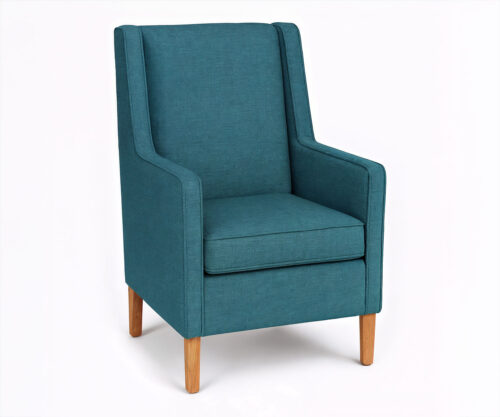
☐ Comfortable resident seating suitable for extended periods of use
☐ Furniture that supports independence and mobility
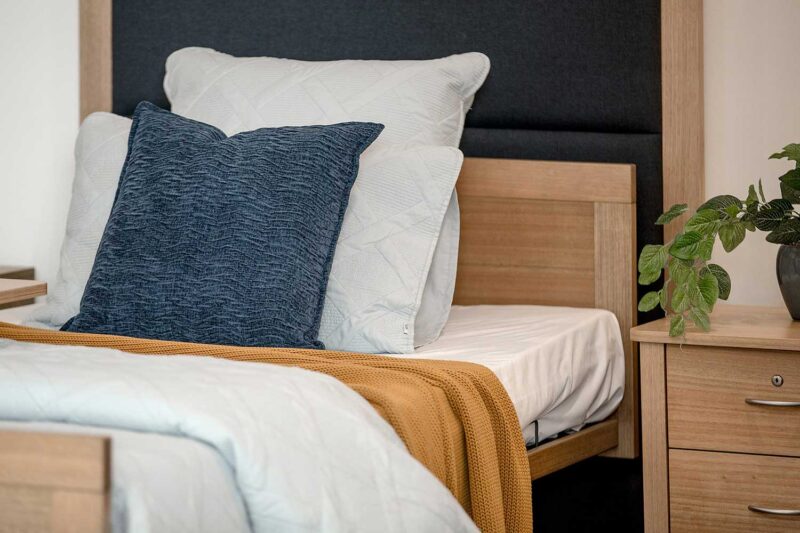
☐ Bedside tables with practical storage options
☐ Wardrobes and storage solutions that feel residential
☐ Visitor seating for family and friends
☐ Furniture finishes that support personalisation and familiarity
☐ Easy-clean surfaces suitable for aged care environments
☐ Durable construction designed for long-term use
Dining Areas
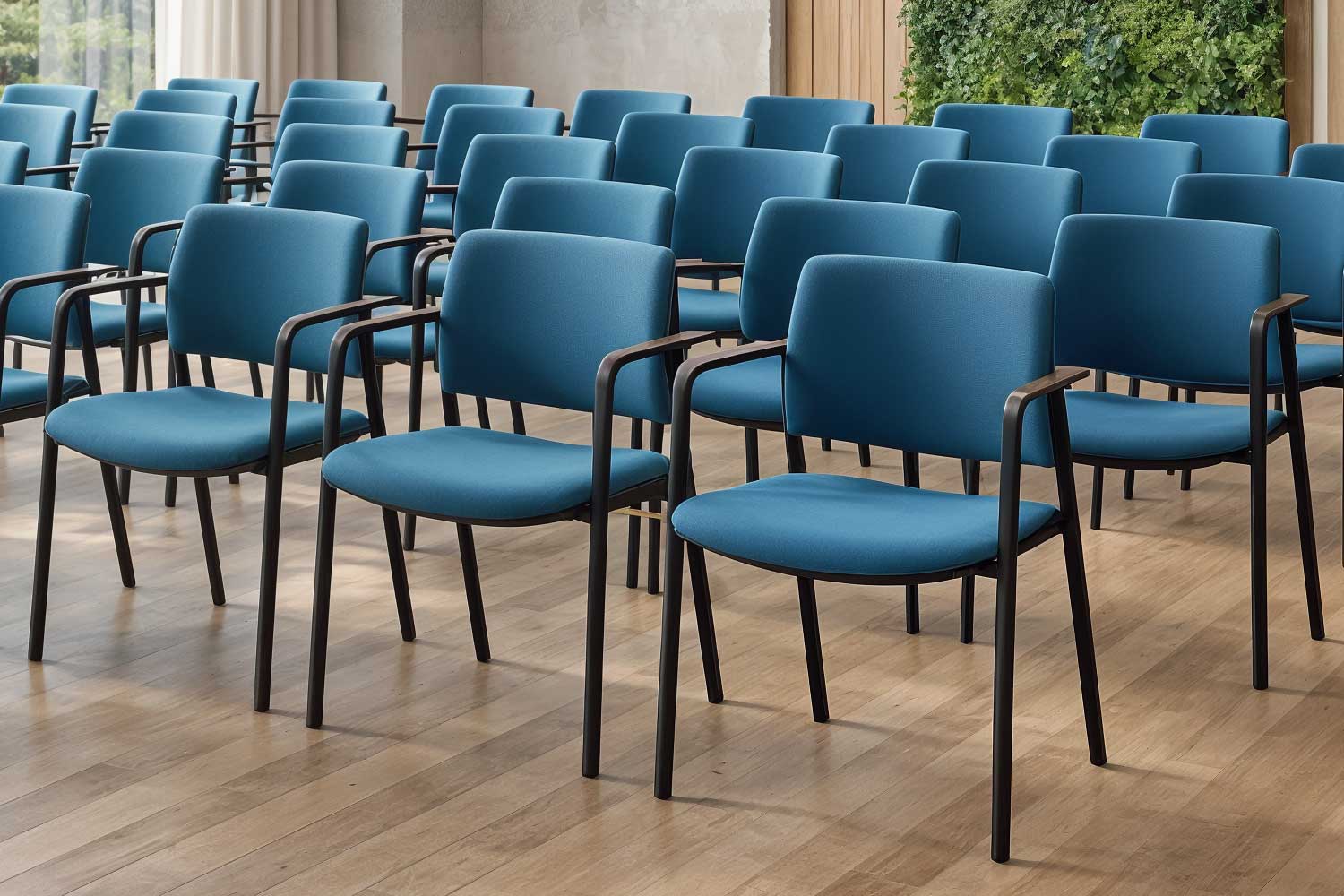
☐ Dining chairs designed for comfort and stability
☐ Tables suitable for individual and group dining
☐ Appropriate table heights and clearances for mobility aids
☐ Furniture layouts that encourage social connection
☐ Durable finishes suitable for frequent cleaning
☐ Designs that create a welcoming, home-like atmosphere
Lounges & Social Spaces
☐ Comfortable lounge seating options
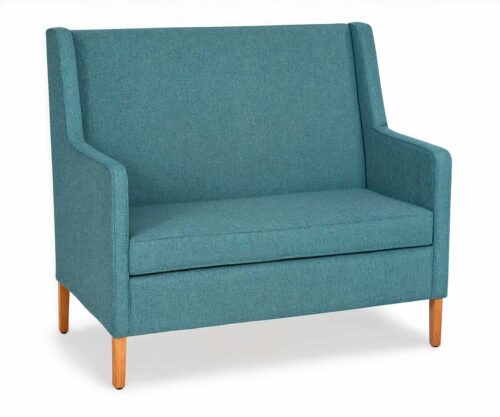
☐ A mix of seating styles to support different abilities and preferences
☐ Chairs with appropriate support for residents requiring assistance
☐ Furniture arrangements that encourage conversation
☐ Quiet areas for relaxation and smaller gatherings
☐ Visitor-friendly seating options
☐ Residential styling that avoids an institutional feel
Dementia-Friendly Design Considerations
☐ Furniture layouts that are easy to navigate
☐ Clear visual distinction between furniture and surroundings
☐ Familiar, residential-style furniture selections
☐ Comfortable spaces that encourage participation and engagement
☐ Avoidance of confusing patterns or overly stimulating environments
☐ Consideration of sensory experiences including texture, colour and lighting
Materials, Fabrics & Finishes
☐ Commercial-grade fabrics suitable for high-use environments
☐ Easy-clean and maintainable upholstery options
☐ Fabrics selected for durability and appearance retention
☐ Consideration of infection prevention requirements
☐ Timber finishes that are durable and easy to maintain
☐ Colour selections that support the overall interior design strategy
☐ Samples approved before final ordering
Safety & Accessibility
☐ Furniture dimensions support safe movement around spaces
☐ Seating heights are appropriate for resident needs
☐ Furniture is stable and suitable for mobility requirements
☐ Clear pathways are maintained around furniture layouts
☐ Furniture placement supports staff workflows
☐ Products meet relevant safety and performance expectations
Staff & Operational Areas
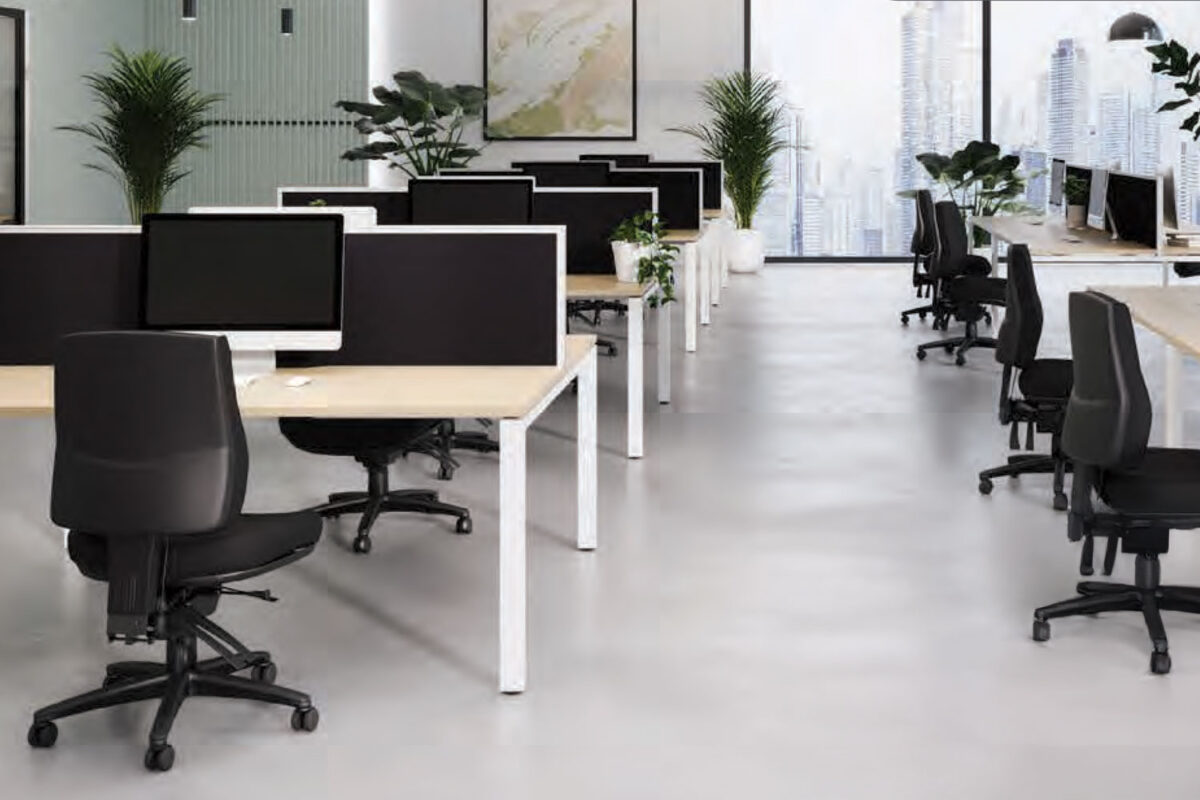
☐ Staff furniture requirements identified
☐ Reception and administration areas planned
☐ Storage requirements considered
☐ Furniture supports efficient daily operations
☐ Products selected with cleaning and maintenance requirements in mind
Delivery & Installation
☐ Delivery schedule aligned with construction completion
☐ Site access requirements confirmed
☐ Furniture placement plans approved before installation
☐ Installation responsibilities clearly defined
☐ Final inspection completed before handover
☐ Product information and care instructions provided
The Final Check: Does the Furniture Support the Resident Experience?
Before approving a furniture package, ask:
☐ Does this furniture help residents feel at home?
☐ Does it support dignity, comfort and independence?
☐ Will it perform in a busy aged care environment?
☐ Does it support the way staff and residents use the space every day?
☐ Does it align with the design vision for the facility?
Thoughtful furniture planning helps turn a new aged care development into more than a building. It creates a place where people can live, connect and feel a sense of belonging.
Recent Updates


Building More Aged Care Beds: Why Furniture Planning Should Start Before Construction Begins
The announcement that Illawarra has received $26 million in funding to support 73 new beds highlights the continued investment needed to meet Australia’s growing demand for quality aged care environments.
While the focus is often placed on the number of new places being created, successful aged care developments require much more than additional accommodation. They require carefully considered environments that support residents’ comfort, independence, wellbeing and connection.
From resident rooms and lounges to dining areas, activity spaces and communal areas, every element contributes to the experience of living in aged care.
This is why aged care procurement should begin well before construction is complete.
Why furniture planning is a critical part of aged care procurement
When a new aged care development is being planned, furniture is sometimes considered towards the end of the project timeline. However, waiting too long can limit design choices, create delivery challenges and prevent furniture from being fully integrated into the overall environment.
Early furniture planning allows providers, architects and design teams to consider how each space will function once residents move in.
Key considerations include:
- How residents will use different areas throughout the day
- How furniture supports independence and mobility
- How spaces encourage social interaction and connection
- How materials perform under the demands of an aged care environment
- How furniture choices align with cleaning, maintenance and operational requirements
- Manufacturing and installation timelines
Effective aged care procurement is not simply about selecting products, it is about creating environments that support quality care and quality of life.
Creating places that feel like home
The creation of new aged care places represents an opportunity to rethink what residential aged care environments can be.
For residents, these spaces become their homes. They are where they relax, welcome family and friends, share meals, participate in activities and build relationships with their community.
Furniture plays an important role in creating this sense of belonging.
A comfortable lounge setting can encourage conversation between residents. A thoughtfully designed dining space can make mealtimes more enjoyable and familiar. Well-considered seating throughout communal areas can support independence while creating welcoming spaces for connection.
The right furniture choices help transform a building into a living environment.
Supporting modern aged care design principles
The continued investment in aged care infrastructure reflects a broader shift towards environments that prioritise dignity, choice and resident wellbeing.
Modern aged care design considers how physical spaces influence the daily experiences of older Australians.
Furniture selection supports these goals by helping create spaces that are:
Comfortable and supportive
Furniture needs to accommodate a range of mobility requirements while maintaining a residential, welcoming feel.
Safe and practical
Care environments require furniture that supports safe movement, easy cleaning and long-term durability.
Personal and familiar
Design details, textures, colours and furnishings can help create environments that feel less institutional and more connected to home.
Why early collaboration improves aged care projects
Aged care projects involve collaboration between many stakeholders, including operators, architects, interior designers, builders, procurement teams and furniture specialists.
Bringing furniture expertise into the project early helps ensure that design intent, functionality and operational needs are considered together.
At FHG, our Project Consultants work alongside aged care providers and design teams to develop furniture solutions tailored to each project’s requirements.
From initial design discussions and material selections through to manufacturing, delivery and installation, early involvement helps create a smoother project process and better outcomes for residents and operators.
Planning for the future of aged care
The Illawarra investment is one example of the ongoing work needed to expand Australia’s aged care capacity and create environments where older Australians can live with dignity and connection.
As more residential aged care places are developed, thoughtful aged care procurement will become increasingly important.
The most successful projects recognise that furniture is not simply a final fitout item. It is part of the environment residents experience every day.
By planning furniture early, aged care providers can create spaces that support residents, assist care teams and deliver environments that truly feel like home.
New Aged Care Facility Furniture Procurement Checklist
Planning furniture for a new aged care facility requires more than selecting products that look good. Every item needs to support resident wellbeing, staff functionality, safety requirements and long-term operational needs.
Use this checklist during the planning and aged care procurement process to help ensure every space is thoughtfully considered.
Project Planning & Procurement
☐ Define the furniture requirements early in the project timeline
☐ Review room layouts and floor plans with furniture specialists
☐ Confirm the intended use of each space
☐ Identify resident, staff and visitor needs
☐ Establish furniture quantities and placement requirements
☐ Consider lead times for custom manufacturing and delivery
☐ Confirm installation requirements and project handover dates
☐ Develop a furniture replacement and lifecycle plan
Resident Rooms & Private Areas
☐ Comfortable resident seating suitable for extended periods of use
☐ Furniture that supports independence and mobility
☐ Bedside tables with practical storage options
☐ Wardrobes and storage solutions that feel residential
☐ Visitor seating for family and friends
☐ Furniture finishes that support personalisation and familiarity
☐ Easy-clean surfaces suitable for aged care environments
☐ Durable construction designed for long-term use
Dining Areas
☐ Dining chairs designed for comfort and stability
☐ Tables suitable for individual and group dining
☐ Appropriate table heights and clearances for mobility aids
☐ Furniture layouts that encourage social connection
☐ Durable finishes suitable for frequent cleaning
☐ Designs that create a welcoming, home-like atmosphere
Lounges & Social Spaces
☐ Comfortable lounge seating options
☐ A mix of seating styles to support different abilities and preferences
☐ Chairs with appropriate support for residents requiring assistance
☐ Furniture arrangements that encourage conversation
☐ Quiet areas for relaxation and smaller gatherings
☐ Visitor-friendly seating options
☐ Residential styling that avoids an institutional feel
Dementia-Friendly Design Considerations
☐ Furniture layouts that are easy to navigate
☐ Clear visual distinction between furniture and surroundings
☐ Familiar, residential-style furniture selections
☐ Comfortable spaces that encourage participation and engagement
☐ Avoidance of confusing patterns or overly stimulating environments
☐ Consideration of sensory experiences including texture, colour and lighting
Materials, Fabrics & Finishes
☐ Commercial-grade fabrics suitable for high-use environments
☐ Easy-clean and maintainable upholstery options
☐ Fabrics selected for durability and appearance retention
☐ Consideration of infection prevention requirements
☐ Timber finishes that are durable and easy to maintain
☐ Colour selections that support the overall interior design strategy
☐ Samples approved before final ordering
Safety & Accessibility
☐ Furniture dimensions support safe movement around spaces
☐ Seating heights are appropriate for resident needs
☐ Furniture is stable and suitable for mobility requirements
☐ Clear pathways are maintained around furniture layouts
☐ Furniture placement supports staff workflows
☐ Products meet relevant safety and performance expectations
Staff & Operational Areas
☐ Staff furniture requirements identified
☐ Reception and administration areas planned
☐ Storage requirements considered
☐ Furniture supports efficient daily operations
☐ Products selected with cleaning and maintenance requirements in mind
Delivery & Installation
☐ Delivery schedule aligned with construction completion
☐ Site access requirements confirmed
☐ Furniture placement plans approved before installation
☐ Installation responsibilities clearly defined
☐ Final inspection completed before handover
☐ Product information and care instructions provided
The Final Check: Does the Furniture Support the Resident Experience?
Before approving a furniture package, ask:
☐ Does this furniture help residents feel at home?
☐ Does it support dignity, comfort and independence?
☐ Will it perform in a busy aged care environment?
☐ Does it support the way staff and residents use the space every day?
☐ Does it align with the design vision for the facility?
Thoughtful furniture planning helps turn a new aged care development into more than a building. It creates a place where people can live, connect and feel a sense of belonging.