Top 10 Must-Have Furniture Pieces for Modern Aged Care Facilities
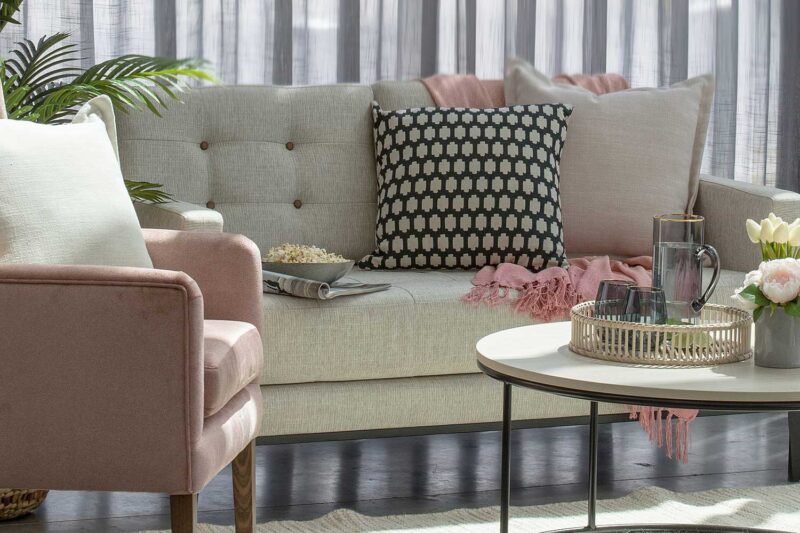
1. Supportive Armchairs and Lounge Chairs
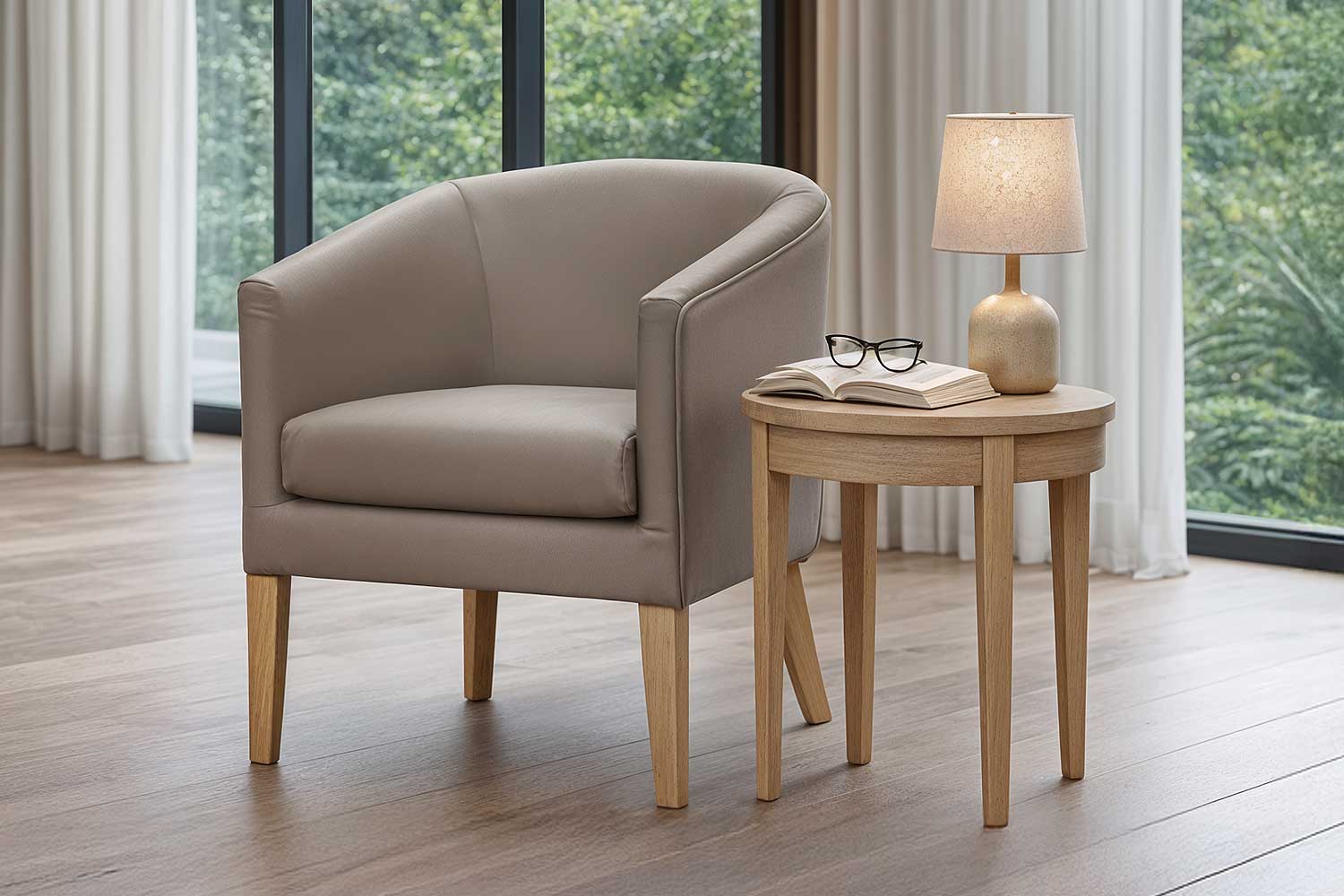
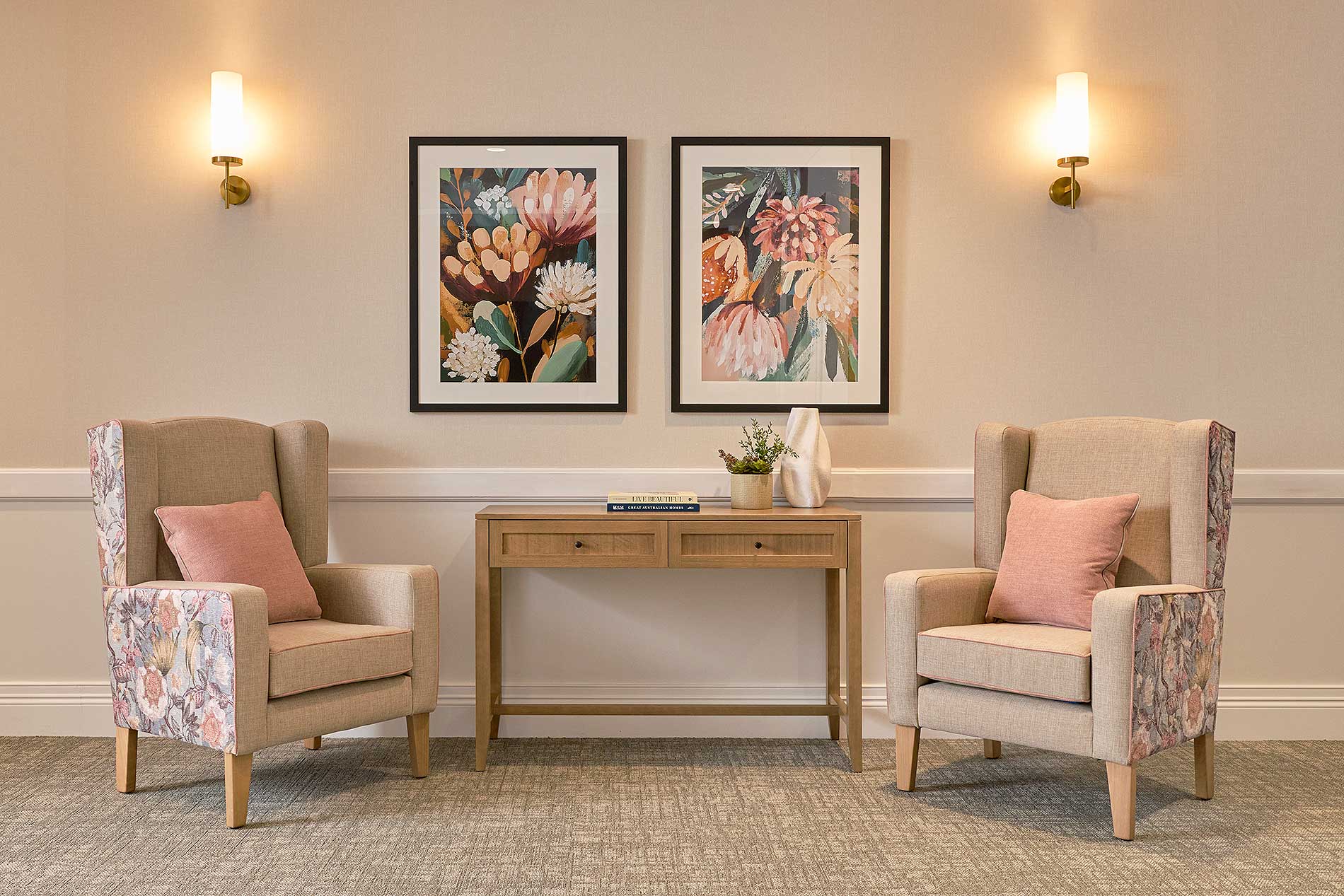
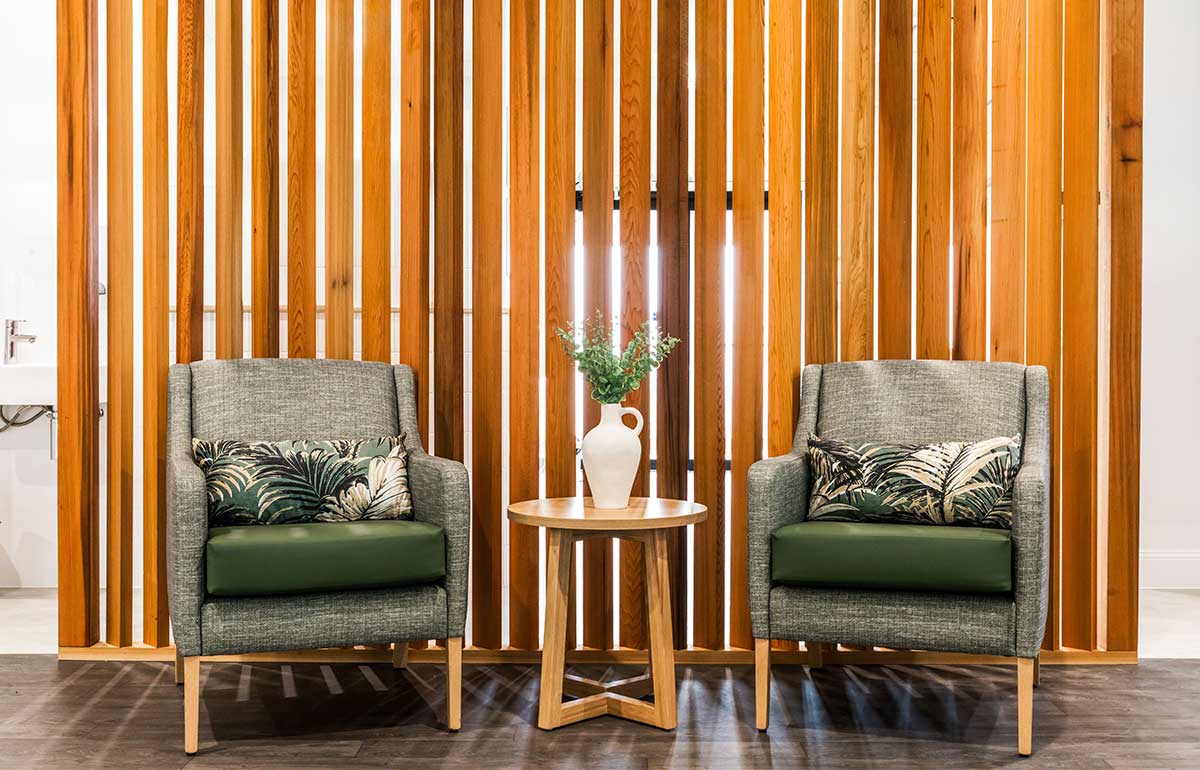
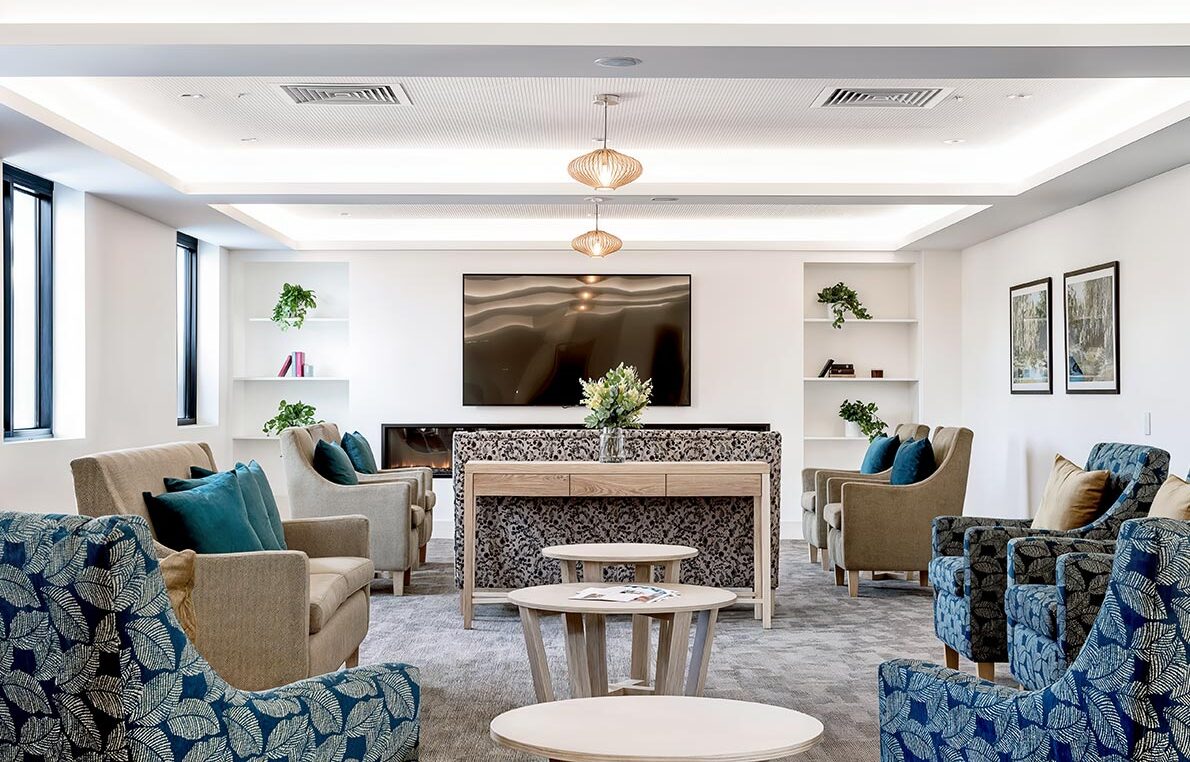
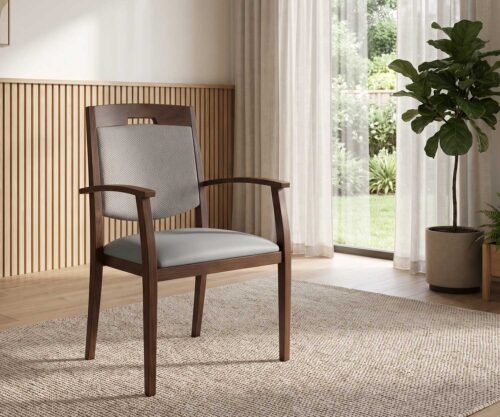
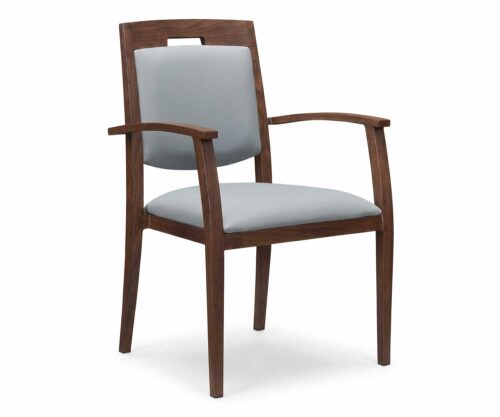
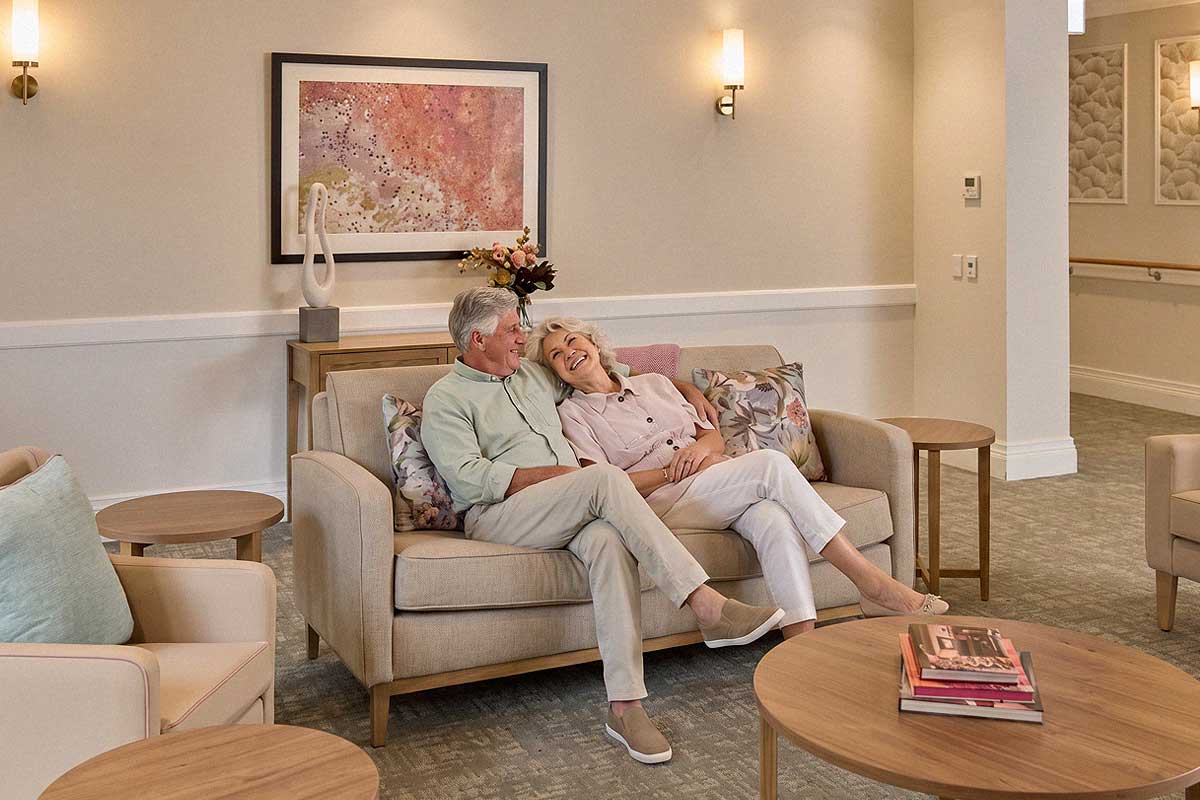
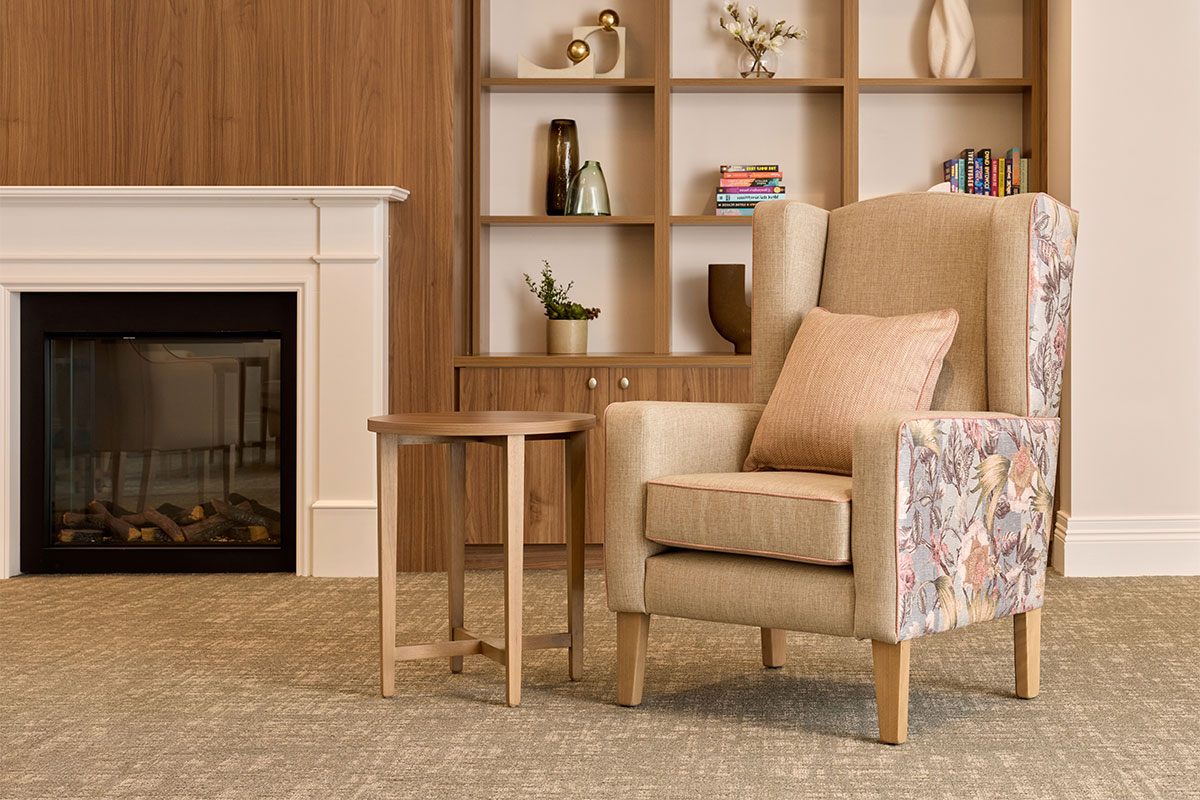
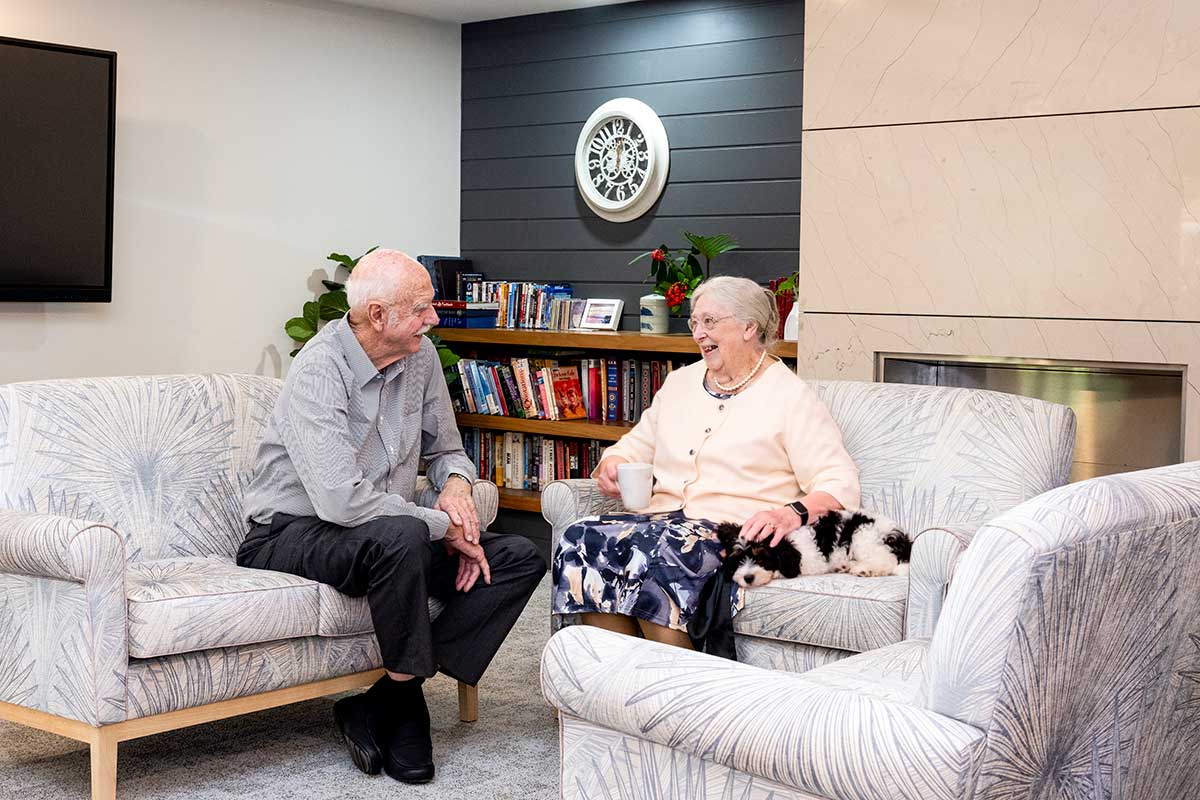
Comfortable seating is essential because residents spend a significant portion of their day sitting, whether in private rooms, communal lounges, or activity areas. Proper seat height and depth are crucial: seats that are too low or too deep make it difficult for residents—especially those with reduced leg strength or mobility issues—to sit and stand safely, which can increase fall risk and reduce independence. Armchairs with a slightly higher seat height allow residents to plant their feet firmly on the floor, while a moderate seat depth ensures that their back is fully supported without pressure behind the knees, promoting good posture and circulation.
What to Consider When Selecting Armchairs:
-
Choose chairs with high backs and firm cushions to provide proper spinal support.
-
Ensure seat height is suitable—typically 45–50 cm—to allow residents’ feet to rest comfortably on the floor.
-
Ensure seat depth is appropriate, generally 45–50 cm, so residents’ backs are fully supported without cutting off circulation behind the knees.
-
Select chairs with sturdy armrests to assist residents in standing and sitting safely.
-
Use durable, wipeable upholstery and calming colours to maintain hygiene and create a homely feel.
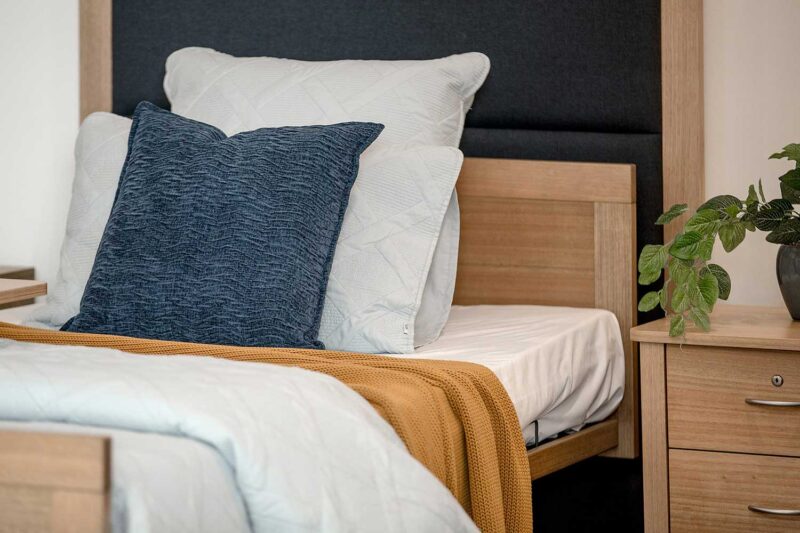
2. Adjustable Beds
Adjustable beds are crucial in aged care because they not only improve resident comfort but also support daily care routines, reducing the physical strain on staff while allowing residents to sit up, elevate their legs, or change positions safely. They can enhance mobility, circulation, and sleep quality, which directly contributes to overall health and wellbeing.
Key Considerations for Adjustable Beds:
-
Choose beds with electric or manual adjustment for head, feet, and height.
-
Ensure weight capacity accommodates all residents, including those with higher BMI.
-
Use pressure-relieving mattresses to reduce the risk of pressure injuries.
-
Confirm compatibility with bed rails, hoists, and bedside tables.
-
Check for simple, intuitive controls so residents can adjust independently if safe.
3. Dining Chairs
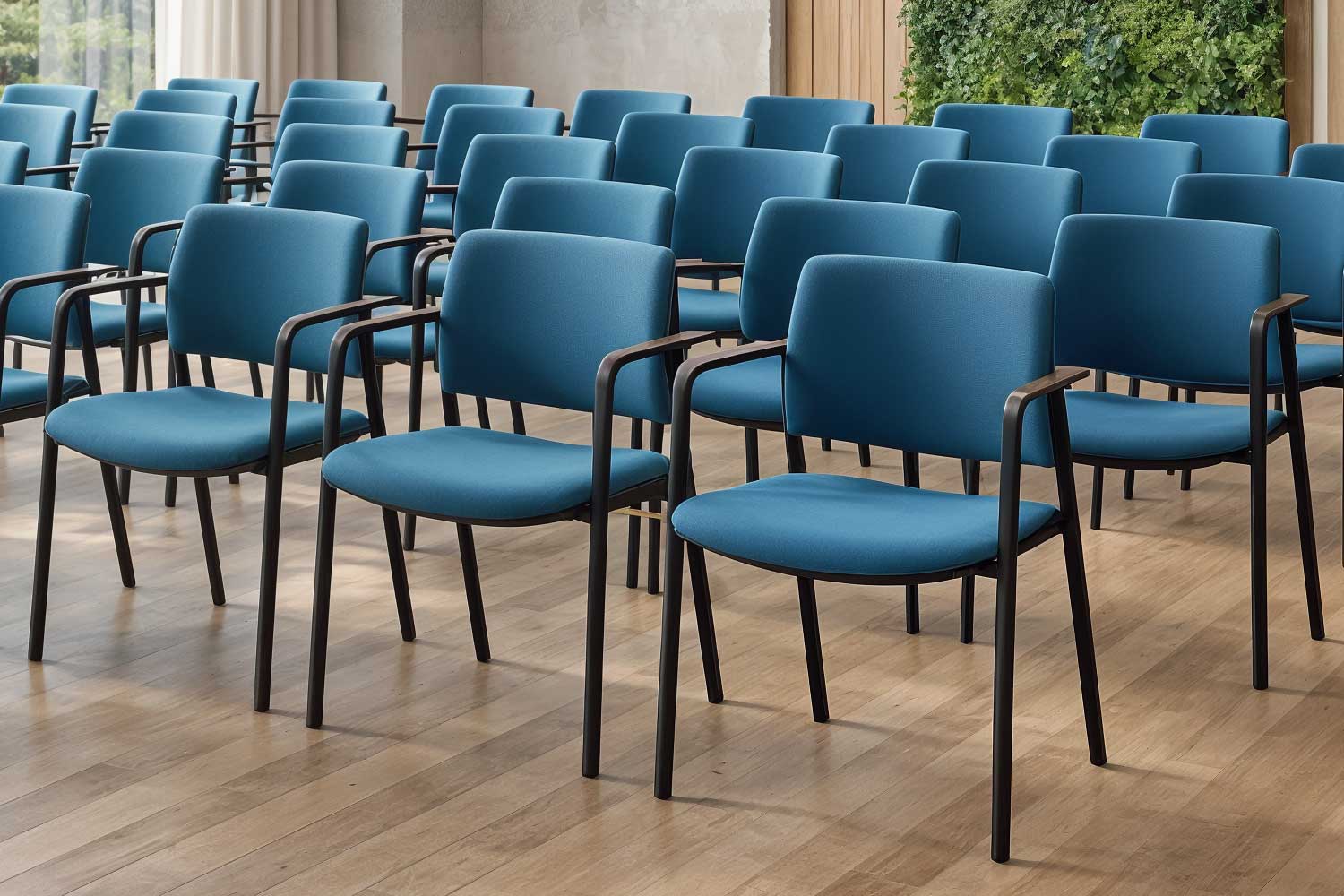
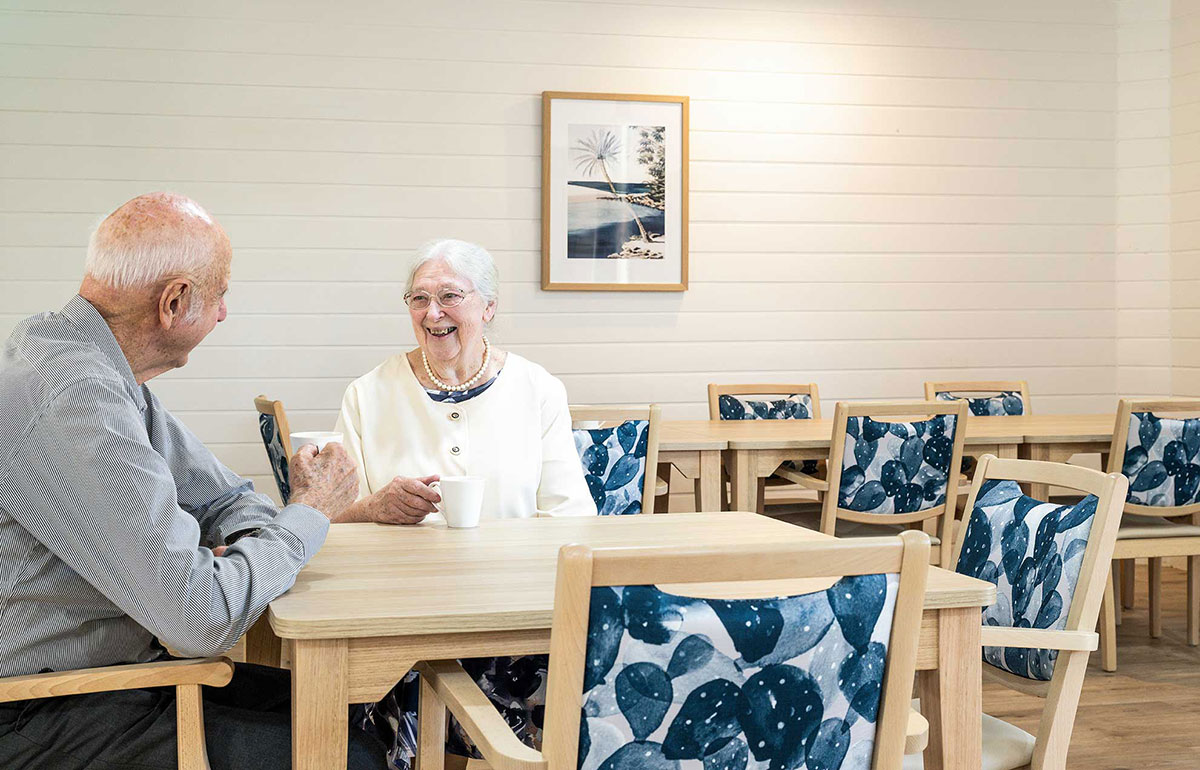
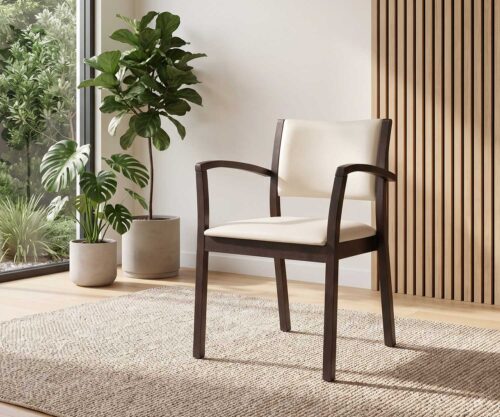
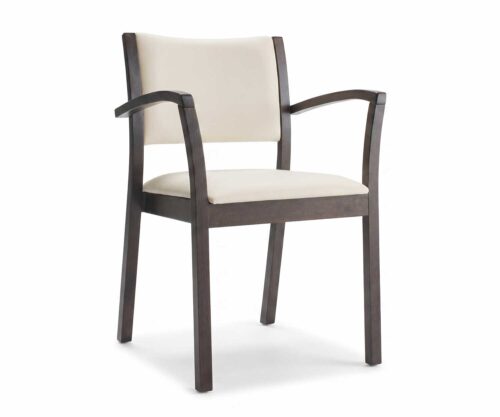
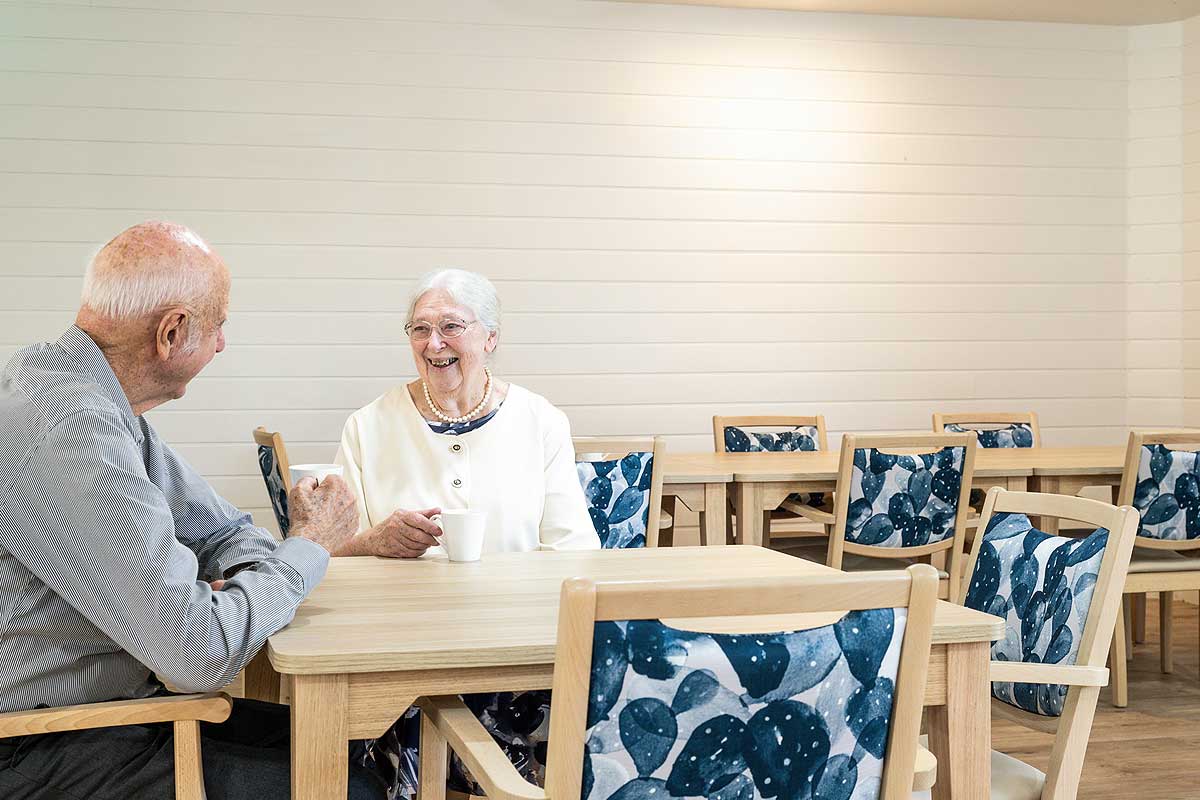
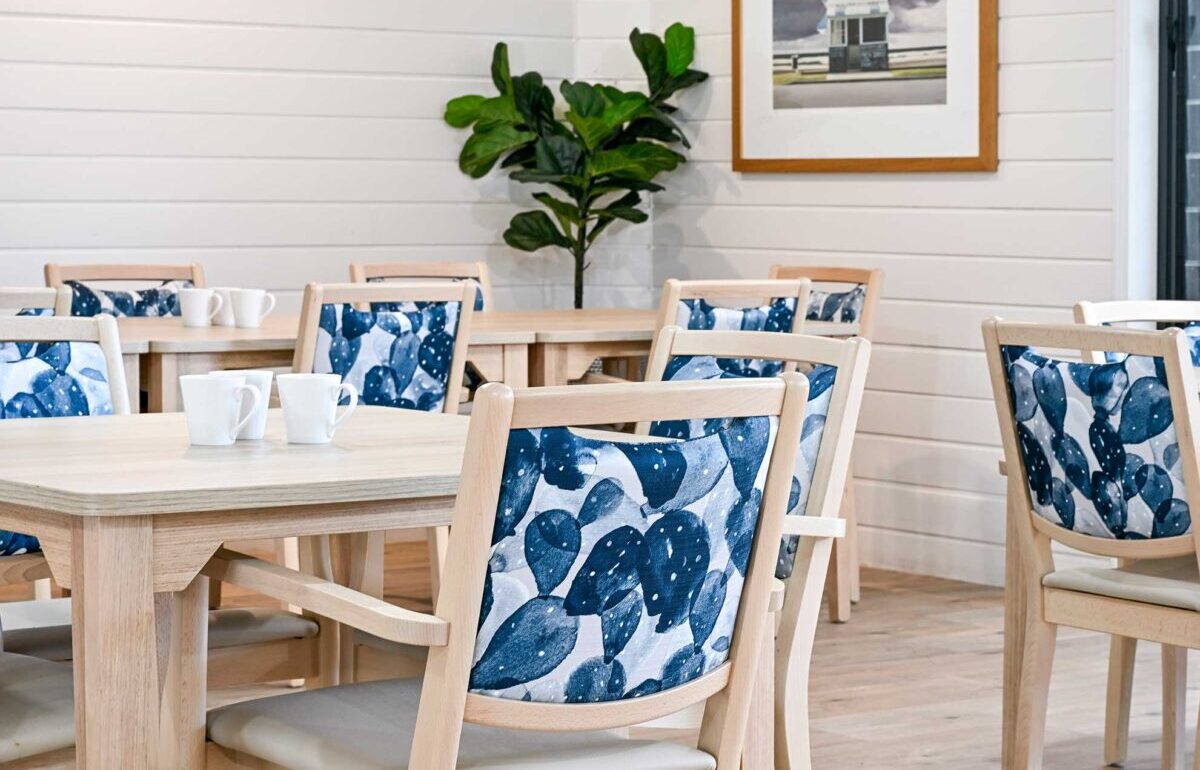
Dining chairs are more than a place to sit—they support socialisation, independence, and safe mobility during meals. Correct seat height and depth are vital: chairs that are too low or too deep can make it difficult for residents to rise without assistance, while seats that are too shallow may not provide enough thigh support, leading to discomfort during meals. Appropriate seating helps residents maintain dignity, reduces fall risk, and encourages participation in communal activities.
Design Priorities for Dining Chairs:
-
Opt for stable, lightweight designs that staff can easily move for cleaning or rearranging.
-
Ensure seat height is 45–50 cm, which works well for most adults and allows feet to rest flat on the floor.
-
Choose a seat depth of 45–48 cm to provide thigh support without forcing residents to lean forward.
-
Include armrests to assist residents when sitting down or standing up.
-
Ensure durable, easy-to-clean fabrics and leave enough spacing between chairs for wheelchairs and walking aids.
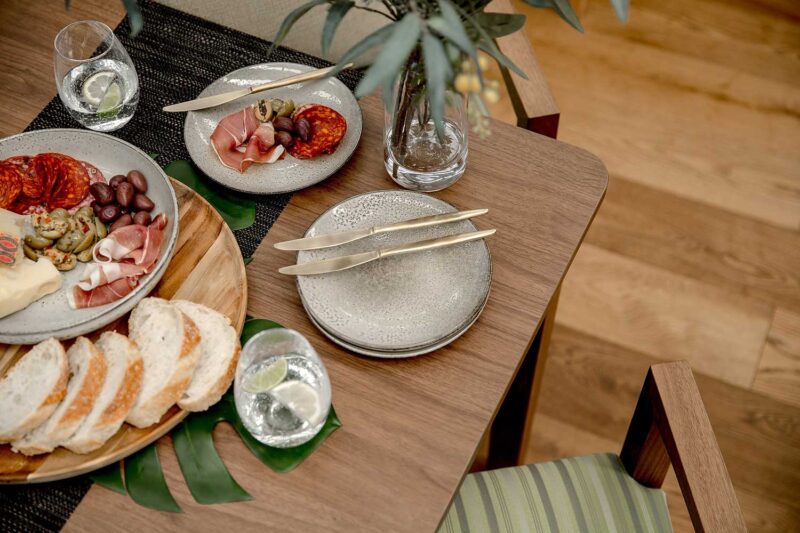
4. Dining and Activity Tables
Tables in aged care facilities serve multiple functions, from communal meals to crafts, therapy, and games. They need to be safe, flexible, and accessible for residents with varying mobility levels, while also being durable enough to withstand constant use by staff and residents alike.
Design Priorities for Activity Tables:
-
Select rounded edges to reduce the risk of injury from bumps or falls.
-
Choose height-adjustable or wheelchair-accessible designs for inclusivity.
-
Ensure surfaces are durable and easy to clean for infection control.
-
Include a mix of small and large tables for different activity types and group sizes.
-
Consider modular or mobile tables that can be reconfigured for multiple uses.
5. Bedside Tables
Bedside tables play a significant role in supporting residents’ independence by keeping personal items within reach and providing a surface for meals, reading, or other activities in private rooms. Well-chosen bedside tables improve organisation and safety while complementing the overall room design.
Key Considerations for Bedside Tables:
-
Choose compact yet functional designs with drawers or shelves for storage.
-
Opt for wheeled options that can be repositioned safely for cleaning or room layout changes.
-
Ensure stable construction to prevent tipping when residents lean on them.
-
Make sure height aligns with the bed to prevent overreaching.
-
Use durable, easy-clean surfaces for hygiene and long-term maintenance.
6. Lockable Storage Cabinets
Lockable storage cabinets are essential for safety, security, and organisation, keeping medications, personal belongings, and sensitive items secure while maintaining a clutter-free environment. They also help staff stay efficient by providing easy access to essential items without compromising safety.
Smart Features for Storage Cabinets:
-
Ensure secure locks for medications and sensitive items.
-
Opt for adjustable shelves to accommodate different storage needs.
-
Include soft-close hinges to reduce noise and finger injuries.
-
Use rounded edges for added safety.
-
Consider transparent doors or labels to improve accessibility and efficiency.
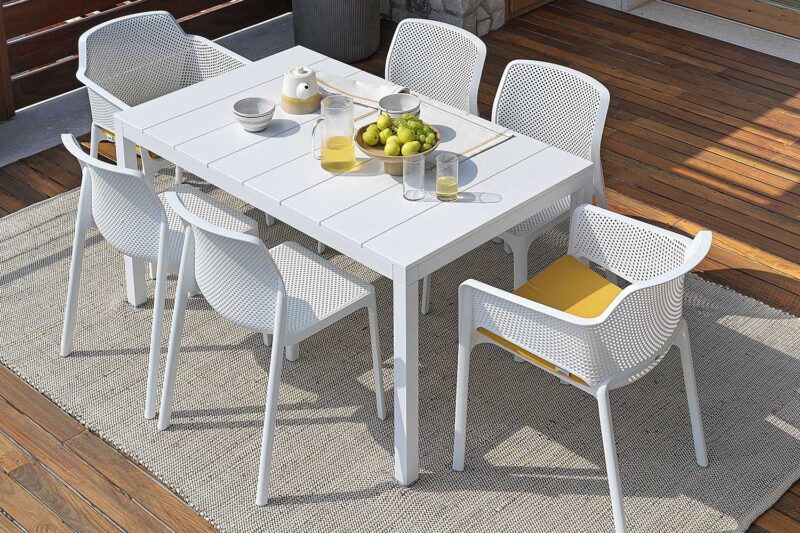
7. Outdoor Furniture
Outdoor furniture is critical because access to outdoor spaces encourages physical activity, social interaction, and mental wellbeing, all of which contribute to residents’ overall health. Furniture must be safe, stable, and weather-resistant while being comfortable enough for longer periods of use.
Design Tips for Outdoor Furniture:
-
Choose stable, non-tip designs suitable for residents of all abilities.
-
Ensure back support and armrests for comfort and safety.
-
Use weather-resistant materials to withstand sun, rain, and wind.
-
Consider lightweight yet durable furniture for flexible event setups.
-
Mix benches, tables, and chairs to allow flexible social arrangements.
8. Lift Chairs and Mobility-Compatible Seating
Lift chairs are essential for residents with reduced mobility because they provide support for standing, sitting, and overall independence while reducing fall risk and strain on staff. Well-designed mobility seating helps residents maintain confidence and dignity in daily life.
Practical Features for Lift Chairs:
-
Use motorised lift functions to safely assist residents standing up.
-
Ensure reinforced frames to support various weights safely.
-
Select comfortable cushions that provide firm support without being too soft.
-
Confirm dimensions fit with hoists and mobility aids in communal areas.
-
Test ease of operation and reliability before making a purchase.
9. Over-Bed Tables
Over-bed tables are essential for supporting independence and daily routines when residents are bed-bound. They provide a stable surface for meals, hobbies, or therapy, allowing residents to participate in activities even while resting.
Practical Features for Over-Bed Tables:
-
Choose tables with smooth-rolling casters for easy positioning.
-
Ensure adjustable height and tilt for versatile use.
-
Select durable, easy-to-clean surfaces for infection control.
-
Keep a few spares on hand for flexibility during peak periods.
-
Encourage residents to use tables for reading or crafts to maintain engagement.
10. Activity and Lounge Storage Units
Activity and lounge storage units are vital for keeping communal areas organised, making supplies accessible to residents, and promoting engagement in hobbies, therapy, and social activities. Good storage supports independence and reduces clutter while enhancing safety.
5 Practical Tips for Lounge Storage Units:
-
Use durable, low-maintenance materials to withstand daily use.
-
Include open shelving or transparent doors so residents can easily see and access items.
-
Ensure safe access height for both staff and residents.
-
Incorporate adjustable shelves to accommodate changing activity needs.
-
Keep storage organised and labelled to encourage independent use and participation.
Final Thoughts
Choosing furniture for an aged care facility goes far beyond aesthetics. It’s about resident wellbeing, safety, and engagement, while also supporting staff efficiency and reducing risks. Selecting the right pieces can improve posture, prevent falls, increase independence, and create a welcoming, homely environment.
Actionable Tip: Walk through your facility with staff and, if possible, residents, to test how furniture works in practice. Observing real-life usage often highlights important details that plans or brochures cannot capture.
Custom Furniture for Staff Spaces in Aged Care, Retirement Living and Acute Care
Recent Updates
Top 10 Must-Have Furniture Pieces for Modern Aged Care Facilities
1. Supportive Armchairs and Lounge Chairs
Comfortable seating is essential because residents spend a significant portion of their day sitting, whether in private rooms, communal lounges, or activity areas. Proper seat height and depth are crucial: seats that are too low or too deep make it difficult for residents—especially those with reduced leg strength or mobility issues—to sit and stand safely, which can increase fall risk and reduce independence. Armchairs with a slightly higher seat height allow residents to plant their feet firmly on the floor, while a moderate seat depth ensures that their back is fully supported without pressure behind the knees, promoting good posture and circulation.
What to Consider When Selecting Armchairs:
-
Choose chairs with high backs and firm cushions to provide proper spinal support.
-
Ensure seat height is suitable—typically 45–50 cm—to allow residents’ feet to rest comfortably on the floor.
-
Ensure seat depth is appropriate, generally 45–50 cm, so residents’ backs are fully supported without cutting off circulation behind the knees.
-
Select chairs with sturdy armrests to assist residents in standing and sitting safely.
-
Use durable, wipeable upholstery and calming colours to maintain hygiene and create a homely feel.
2. Adjustable Beds
Adjustable beds are crucial in aged care because they not only improve resident comfort but also support daily care routines, reducing the physical strain on staff while allowing residents to sit up, elevate their legs, or change positions safely. They can enhance mobility, circulation, and sleep quality, which directly contributes to overall health and wellbeing.
Key Considerations for Adjustable Beds:
-
Choose beds with electric or manual adjustment for head, feet, and height.
-
Ensure weight capacity accommodates all residents, including those with higher BMI.
-
Use pressure-relieving mattresses to reduce the risk of pressure injuries.
-
Confirm compatibility with bed rails, hoists, and bedside tables.
-
Check for simple, intuitive controls so residents can adjust independently if safe.
3. Dining Chairs
Dining chairs are more than a place to sit—they support socialisation, independence, and safe mobility during meals. Correct seat height and depth are vital: chairs that are too low or too deep can make it difficult for residents to rise without assistance, while seats that are too shallow may not provide enough thigh support, leading to discomfort during meals. Appropriate seating helps residents maintain dignity, reduces fall risk, and encourages participation in communal activities.
Design Priorities for Dining Chairs:
-
Opt for stable, lightweight designs that staff can easily move for cleaning or rearranging.
-
Ensure seat height is 45–50 cm, which works well for most adults and allows feet to rest flat on the floor.
-
Choose a seat depth of 45–48 cm to provide thigh support without forcing residents to lean forward.
-
Include armrests to assist residents when sitting down or standing up.
-
Ensure durable, easy-to-clean fabrics and leave enough spacing between chairs for wheelchairs and walking aids.
4. Dining and Activity Tables
Tables in aged care facilities serve multiple functions, from communal meals to crafts, therapy, and games. They need to be safe, flexible, and accessible for residents with varying mobility levels, while also being durable enough to withstand constant use by staff and residents alike.
Design Priorities for Activity Tables:
-
Select rounded edges to reduce the risk of injury from bumps or falls.
-
Choose height-adjustable or wheelchair-accessible designs for inclusivity.
-
Ensure surfaces are durable and easy to clean for infection control.
-
Include a mix of small and large tables for different activity types and group sizes.
-
Consider modular or mobile tables that can be reconfigured for multiple uses.
5. Bedside Tables
Bedside tables play a significant role in supporting residents’ independence by keeping personal items within reach and providing a surface for meals, reading, or other activities in private rooms. Well-chosen bedside tables improve organisation and safety while complementing the overall room design.
Key Considerations for Bedside Tables:
-
Choose compact yet functional designs with drawers or shelves for storage.
-
Opt for wheeled options that can be repositioned safely for cleaning or room layout changes.
-
Ensure stable construction to prevent tipping when residents lean on them.
-
Make sure height aligns with the bed to prevent overreaching.
-
Use durable, easy-clean surfaces for hygiene and long-term maintenance.
6. Lockable Storage Cabinets
Lockable storage cabinets are essential for safety, security, and organisation, keeping medications, personal belongings, and sensitive items secure while maintaining a clutter-free environment. They also help staff stay efficient by providing easy access to essential items without compromising safety.
Smart Features for Storage Cabinets:
-
Ensure secure locks for medications and sensitive items.
-
Opt for adjustable shelves to accommodate different storage needs.
-
Include soft-close hinges to reduce noise and finger injuries.
-
Use rounded edges for added safety.
-
Consider transparent doors or labels to improve accessibility and efficiency.
7. Outdoor Furniture
Outdoor furniture is critical because access to outdoor spaces encourages physical activity, social interaction, and mental wellbeing, all of which contribute to residents’ overall health. Furniture must be safe, stable, and weather-resistant while being comfortable enough for longer periods of use.
Design Tips for Outdoor Furniture:
-
Choose stable, non-tip designs suitable for residents of all abilities.
-
Ensure back support and armrests for comfort and safety.
-
Use weather-resistant materials to withstand sun, rain, and wind.
-
Consider lightweight yet durable furniture for flexible event setups.
-
Mix benches, tables, and chairs to allow flexible social arrangements.
8. Lift Chairs and Mobility-Compatible Seating
Lift chairs are essential for residents with reduced mobility because they provide support for standing, sitting, and overall independence while reducing fall risk and strain on staff. Well-designed mobility seating helps residents maintain confidence and dignity in daily life.
Practical Features for Lift Chairs:
-
Use motorised lift functions to safely assist residents standing up.
-
Ensure reinforced frames to support various weights safely.
-
Select comfortable cushions that provide firm support without being too soft.
-
Confirm dimensions fit with hoists and mobility aids in communal areas.
-
Test ease of operation and reliability before making a purchase.
9. Over-Bed Tables
Over-bed tables are essential for supporting independence and daily routines when residents are bed-bound. They provide a stable surface for meals, hobbies, or therapy, allowing residents to participate in activities even while resting.
Practical Features for Over-Bed Tables:
-
Choose tables with smooth-rolling casters for easy positioning.
-
Ensure adjustable height and tilt for versatile use.
-
Select durable, easy-to-clean surfaces for infection control.
-
Keep a few spares on hand for flexibility during peak periods.
-
Encourage residents to use tables for reading or crafts to maintain engagement.
10. Activity and Lounge Storage Units
Activity and lounge storage units are vital for keeping communal areas organised, making supplies accessible to residents, and promoting engagement in hobbies, therapy, and social activities. Good storage supports independence and reduces clutter while enhancing safety.
5 Practical Tips for Lounge Storage Units:
-
Use durable, low-maintenance materials to withstand daily use.
-
Include open shelving or transparent doors so residents can easily see and access items.
-
Ensure safe access height for both staff and residents.
-
Incorporate adjustable shelves to accommodate changing activity needs.
-
Keep storage organised and labelled to encourage independent use and participation.
Final Thoughts
Choosing furniture for an aged care facility goes far beyond aesthetics. It’s about resident wellbeing, safety, and engagement, while also supporting staff efficiency and reducing risks. Selecting the right pieces can improve posture, prevent falls, increase independence, and create a welcoming, homely environment.
Actionable Tip: Walk through your facility with staff and, if possible, residents, to test how furniture works in practice. Observing real-life usage often highlights important details that plans or brochures cannot capture.