Therapy Dogs in Aged Care: 7 Costly Furniture Mistakes Facilities Commonly Make
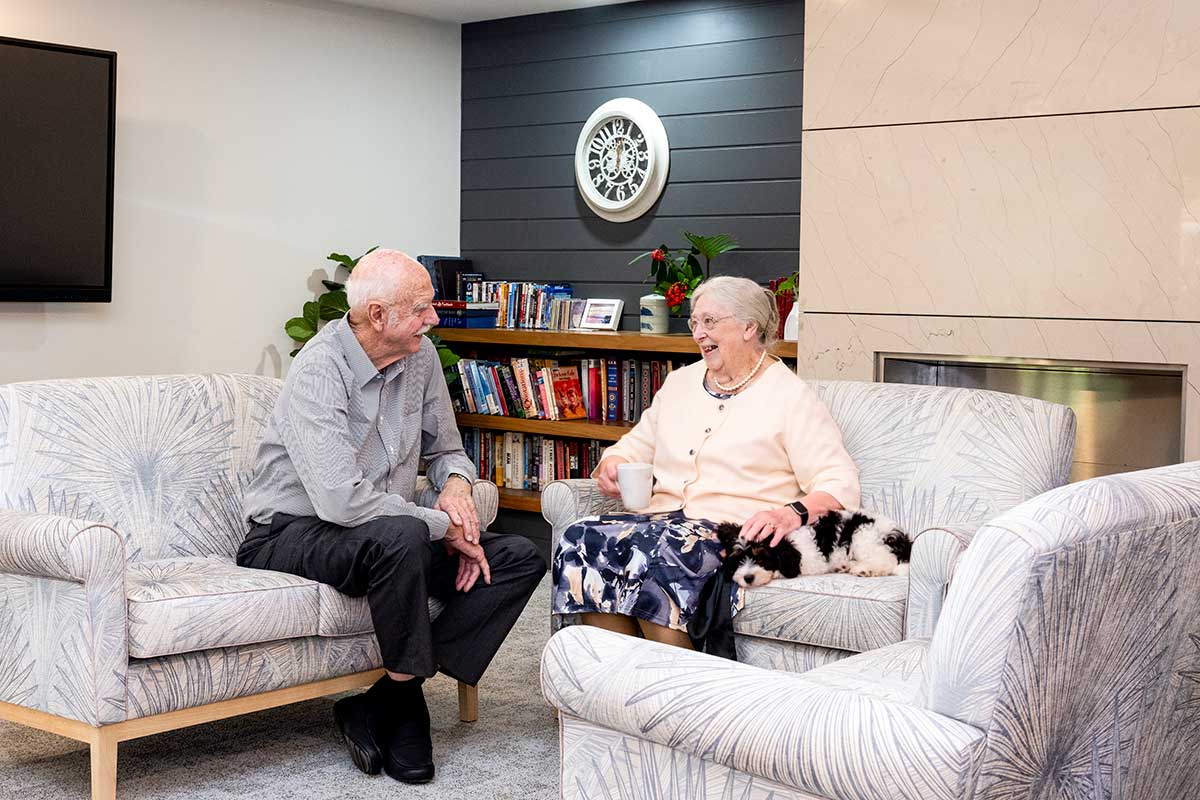
Therapy dogs and companion animals are becoming an increasingly valuable part of Australian aged care environments. From reducing loneliness and anxiety to encouraging social interaction and emotional connection, pet programs can have a profound impact on resident wellbeing.
But while many facilities focus on the emotional and therapeutic benefits, far fewer consider the practical implications for furniture, finishes and infection control.
Unfortunately, this can lead to expensive mistakes. Premature furniture damage, difficult cleaning processes, lingering odours, increased maintenance costs and infection control concerns often appear when facilities introduce therapy animals without reviewing whether their furniture is actually suitable for a pet-friendly environment.
The good news? With the right furniture supplier, thoughtful planning and fit-for-purpose materials, aged care facilities can create welcoming pet-friendly spaces that remain durable, hygienic and easy to maintain long-term.
Here are seven of the most common and costly furniture mistakes facilities make when introducing therapy dogs into aged care environments and how to avoid them.
1. Choosing Residential Fabrics Instead of Healthcare-Grade Performance Fabrics
One of the biggest mistakes facilities make is assuming that standard upholstery fabrics will withstand the realities of therapy dog visits and daily aged care use.
In pet-friendly environments, furniture is exposed to:
- Fur and pet hair
- Dirt and moisture from paws
- Scratches and abrasion
- Food and drink spills
- Increased cleaning frequency
- Bodily fluids and infection control cleaning products
Residential-grade fabrics often absorb spills quickly, trap odours and deteriorate under harsh cleaning regimes.
Instead, facilities should consider high-performance healthcare upholstery fabrics such as Crypton.
Why Crypton Fabrics Work Well in Aged Care
Crypton fabrics are specifically engineered for demanding commercial and healthcare environments. Key benefits include:
- Moisture barrier protection
- Stain resistance
- Odour resistance
- Easy-clean surfaces
- High durability and abrasion resistance
- Compatibility with healthcare cleaning protocols
For facilities with therapy dogs or companion animals, this can dramatically reduce furniture replacement costs while improving infection control outcomes.
Importantly, high-performance fabrics no longer mean compromising on aesthetics. Modern healthcare textiles are available in warm, residential-style colours and textures that help create a homely environment while still meeting operational requirements.
2. Ignoring Infection Control When Selecting Timber Finishes
Timber furniture remains extremely popular in Australian aged care because it creates warmth and familiarity. However, many facilities overlook the importance of the coating system applied to timber furniture.
Standard lacquers may not offer additional protection in environments where multiple residents, staff and therapy animals interact daily.
One increasingly valuable option is antimicrobial timber lacquer.
What Is Antimicrobial Timber Lacquer?
Antimicrobial lacquer is a polyurethane coating containing an antimicrobial additive. This coating inhibits the growth of bacteria and helps reduce levels of cross-contamination on furniture surfaces.
While it is not a substitute for cleaning protocols, it provides another useful layer within the broader infection control strategy of an aged care facility.
For high-touch furniture items such as:
- Dining chairs
- Armchairs
- Companion seating
- Activity furniture
- Shared tables
… antimicrobial coatings can help support hygiene management in pet-friendly environments where surfaces may require more frequent cleaning and contact.
3. Selecting Furniture Designs That Are Difficult to Clean
Furniture that looks beautiful on a specification sheet may become a maintenance headache once therapy dogs are introduced.
Common design problems include:
- Deep tufting that traps fur and dirt
- Heavy texture weaves that collect hair
- Open seams that accumulate debris
- Complicated frames with hard-to-clean gaps
- Fixed cushions that prevent thorough cleaning
In aged care, cleaning efficiency matters. Environmental services teams need furniture that can be cleaned quickly, thoroughly and consistently.
Facilities should prioritise:
- Smooth cleanable surfaces
- Accessible joinery and frames
- Replaceable seat cushions where appropriate
- Minimal dirt-trap detailing
- Moisture-resistant construction methods
This is where custom furniture becomes particularly valuable.
A supplier experienced in aged care can adapt furniture designs to better suit operational realities without compromising comfort or aesthetics.
4. Underestimating the Importance of Durability
Therapy dogs create movement and interaction within spaces. Residents gather more frequently, seating usage increases and furniture experiences higher daily wear.
Facilities sometimes focus heavily on appearance while under-specifying durability requirements.
The result?
- Scratched timber legs
- Worn upholstery
- Sagging seat foam
- Premature structural issues
- Increased replacement frequency
Commercial aged care furniture should be designed specifically for high-use environments.
Key considerations include:
- Commercial-grade foam densities
- Reinforced joinery
- Heavy-duty upholstery methods
- Scratch-resistant finishes
- Replaceable components where possible
A quality furniture supplier should also understand how resident mobility aids, cleaning equipment and pet interaction all contribute to wear patterns within aged care environments.
5. Forgetting About Resident Safety and Mobility
Therapy dog programs often encourage more spontaneous interaction and social engagement. Residents may move toward animals quickly, lean forward unexpectedly or reposition themselves more frequently.
Furniture selection must support this behaviour safely.
Common mistakes include:
- Lightweight chairs that move too easily
- Low seat heights that make standing difficult
- Soft unstable seating
- Furniture with protruding legs or trip hazards
Custom furniture allows facilities to tailor:
- Seat heights
- Arm support
- Chair stability
- Weight specifications
- Pressure care requirements
This ensures furniture supports both resident wellbeing and safe interaction with therapy animals.
6. Designing Spaces Without Considering Cleaning Workflows
A pet-friendly environment should not create unnecessary pressure on care staff and cleaners.
Unfortunately, some furniture layouts and product selections unintentionally increase maintenance workloads.
For example:
- Oversized lounge settings that are difficult to clean underneath
- Upholstery colours that visibly show pet hair
- Furniture that cannot withstand disinfectant cleaning
- Loose cushions that trap dirt and odours
Experienced aged care furniture suppliers understand that operational efficiency matters just as much as visual presentation.
Furniture should support:
- Fast cleaning turnaround
- Easy vacuum access
- Compatible disinfectant use
- Long-term stain management
- Efficient maintenance routines
When facilities overlook these practicalities, labour costs and furniture replacement expenses can escalate quickly.
7. Working With Suppliers Who Don’t Understand Aged Care
This may be the most expensive mistake of all.
Not all furniture suppliers understand the realities of Australian aged care environments. A supplier experienced in hospitality or residential interiors may not fully appreciate:
- Infection control requirements
- Resident mobility considerations
- Healthcare cleaning chemicals
- Behavioural design needs
- Operational maintenance pressures
- Compliance expectations
- Therapy animal considerations
Working with a supplier who specialises in aged care furniture can significantly reduce risk during procurement.
An experienced supplier should help facilities:
- Select appropriate performance fabrics
- Recommend durable construction methods
- Advise on antimicrobial finishes
- Balance aesthetics with functionality
- Anticipate maintenance challenges
- Customise furniture for operational needs
Most importantly, they should understand that furniture in aged care is not simply about appearance, it directly impacts resident comfort, staff efficiency, infection control and long-term operational costs.
Creating Pet-Friendly Aged Care Spaces That Actually Work
Therapy dogs can bring enormous emotional benefits to aged care residents. They encourage engagement, reduce isolation and help create more positive, homely environments.
But successful pet-friendly aged care design requires more than simply allowing animals into the space.
Facilities need furniture that is:
- Durable
- Hygienic
- Easy to maintain
- Comfortable
- Safe for residents
- Suitable for healthcare cleaning regimes
- Designed for long-term commercial use
With thoughtful furniture selection, high-performance fabrics like Crypton, antimicrobial timber coatings and custom furniture solutions tailored to aged care operations, facilities can create spaces that support both resident wellbeing and practical day-to-day management.
The right furniture decisions today can help facilities avoid significant replacement, maintenance and operational costs in the future.
Frequently Asked Questions
Are therapy dogs becoming more common in Australian aged care?
Yes. Many Australian aged care facilities are increasingly incorporating therapy dogs and companion animal programs to support resident wellbeing, reduce loneliness and encourage social engagement.
What type of fabric is best for pet-friendly aged care furniture?
High-performance healthcare upholstery fabrics such as Crypton are often well suited to aged care environments because they offer stain resistance, moisture barriers, odour resistance and durability while remaining easy to clean.
Can furniture help support infection control in pet-friendly environments?
Yes. Furniture materials and finishes play an important role in infection control strategies. Cleanable surfaces, healthcare-grade fabrics and antimicrobial timber lacquers can all assist in reducing maintenance and cross-contamination risks.
What is antimicrobial timber lacquer?
Antimicrobial timber lacquer is a polyurethane coating containing an antimicrobial additive that inhibits the growth of bacteria on coated surfaces and helps reduce levels of cross-contamination. It acts as an additional support tool alongside regular cleaning protocols.
Why is custom furniture important in aged care?
Custom furniture allows facilities to tailor seating dimensions, materials, finishes and durability requirements to suit the unique operational, safety and resident needs of aged care environments.
What should facilities look for in an aged care furniture supplier?
Facilities should work with suppliers who understand:
- Infection control
- Commercial durability
- Resident mobility needs
- Healthcare cleaning requirements
- Pressure care considerations
- Aged care operational workflows
- Performance upholstery fabrics
- Custom furniture manufacturing
This expertise can help facilities avoid costly procurement mistakes and improve long-term furniture performance.
Recent Updates
Therapy Dogs in Aged Care: 7 Costly Furniture Mistakes Facilities Commonly Make
Therapy dogs and companion animals are becoming an increasingly valuable part of Australian aged care environments. From reducing loneliness and anxiety to encouraging social interaction and emotional connection, pet programs can have a profound impact on resident wellbeing.
But while many facilities focus on the emotional and therapeutic benefits, far fewer consider the practical implications for furniture, finishes and infection control.
Unfortunately, this can lead to expensive mistakes. Premature furniture damage, difficult cleaning processes, lingering odours, increased maintenance costs and infection control concerns often appear when facilities introduce therapy animals without reviewing whether their furniture is actually suitable for a pet-friendly environment.
The good news? With the right furniture supplier, thoughtful planning and fit-for-purpose materials, aged care facilities can create welcoming pet-friendly spaces that remain durable, hygienic and easy to maintain long-term.
Here are seven of the most common and costly furniture mistakes facilities make when introducing therapy dogs into aged care environments and how to avoid them.
1. Choosing Residential Fabrics Instead of Healthcare-Grade Performance Fabrics
One of the biggest mistakes facilities make is assuming that standard upholstery fabrics will withstand the realities of therapy dog visits and daily aged care use.
In pet-friendly environments, furniture is exposed to:
- Fur and pet hair
- Dirt and moisture from paws
- Scratches and abrasion
- Food and drink spills
- Increased cleaning frequency
- Bodily fluids and infection control cleaning products
Residential-grade fabrics often absorb spills quickly, trap odours and deteriorate under harsh cleaning regimes.
Instead, facilities should consider high-performance healthcare upholstery fabrics such as Crypton.
Why Crypton Fabrics Work Well in Aged Care
Crypton fabrics are specifically engineered for demanding commercial and healthcare environments. Key benefits include:
- Moisture barrier protection
- Stain resistance
- Odour resistance
- Easy-clean surfaces
- High durability and abrasion resistance
- Compatibility with healthcare cleaning protocols
For facilities with therapy dogs or companion animals, this can dramatically reduce furniture replacement costs while improving infection control outcomes.
Importantly, high-performance fabrics no longer mean compromising on aesthetics. Modern healthcare textiles are available in warm, residential-style colours and textures that help create a homely environment while still meeting operational requirements.
2. Ignoring Infection Control When Selecting Timber Finishes
Timber furniture remains extremely popular in Australian aged care because it creates warmth and familiarity. However, many facilities overlook the importance of the coating system applied to timber furniture.
Standard lacquers may not offer additional protection in environments where multiple residents, staff and therapy animals interact daily.
One increasingly valuable option is antimicrobial timber lacquer.
What Is Antimicrobial Timber Lacquer?
Antimicrobial lacquer is a polyurethane coating containing an antimicrobial additive. This coating inhibits the growth of bacteria and helps reduce levels of cross-contamination on furniture surfaces.
While it is not a substitute for cleaning protocols, it provides another useful layer within the broader infection control strategy of an aged care facility.
For high-touch furniture items such as:
- Dining chairs
- Armchairs
- Companion seating
- Activity furniture
- Shared tables
… antimicrobial coatings can help support hygiene management in pet-friendly environments where surfaces may require more frequent cleaning and contact.
3. Selecting Furniture Designs That Are Difficult to Clean
Furniture that looks beautiful on a specification sheet may become a maintenance headache once therapy dogs are introduced.
Common design problems include:
- Deep tufting that traps fur and dirt
- Heavy texture weaves that collect hair
- Open seams that accumulate debris
- Complicated frames with hard-to-clean gaps
- Fixed cushions that prevent thorough cleaning
In aged care, cleaning efficiency matters. Environmental services teams need furniture that can be cleaned quickly, thoroughly and consistently.
Facilities should prioritise:
- Smooth cleanable surfaces
- Accessible joinery and frames
- Replaceable seat cushions where appropriate
- Minimal dirt-trap detailing
- Moisture-resistant construction methods
This is where custom furniture becomes particularly valuable.
A supplier experienced in aged care can adapt furniture designs to better suit operational realities without compromising comfort or aesthetics.
4. Underestimating the Importance of Durability
Therapy dogs create movement and interaction within spaces. Residents gather more frequently, seating usage increases and furniture experiences higher daily wear.
Facilities sometimes focus heavily on appearance while under-specifying durability requirements.
The result?
- Scratched timber legs
- Worn upholstery
- Sagging seat foam
- Premature structural issues
- Increased replacement frequency
Commercial aged care furniture should be designed specifically for high-use environments.
Key considerations include:
- Commercial-grade foam densities
- Reinforced joinery
- Heavy-duty upholstery methods
- Scratch-resistant finishes
- Replaceable components where possible
A quality furniture supplier should also understand how resident mobility aids, cleaning equipment and pet interaction all contribute to wear patterns within aged care environments.
5. Forgetting About Resident Safety and Mobility
Therapy dog programs often encourage more spontaneous interaction and social engagement. Residents may move toward animals quickly, lean forward unexpectedly or reposition themselves more frequently.
Furniture selection must support this behaviour safely.
Common mistakes include:
- Lightweight chairs that move too easily
- Low seat heights that make standing difficult
- Soft unstable seating
- Furniture with protruding legs or trip hazards
Custom furniture allows facilities to tailor:
- Seat heights
- Arm support
- Chair stability
- Weight specifications
- Pressure care requirements
This ensures furniture supports both resident wellbeing and safe interaction with therapy animals.
6. Designing Spaces Without Considering Cleaning Workflows
A pet-friendly environment should not create unnecessary pressure on care staff and cleaners.
Unfortunately, some furniture layouts and product selections unintentionally increase maintenance workloads.
For example:
- Oversized lounge settings that are difficult to clean underneath
- Upholstery colours that visibly show pet hair
- Furniture that cannot withstand disinfectant cleaning
- Loose cushions that trap dirt and odours
Experienced aged care furniture suppliers understand that operational efficiency matters just as much as visual presentation.
Furniture should support:
- Fast cleaning turnaround
- Easy vacuum access
- Compatible disinfectant use
- Long-term stain management
- Efficient maintenance routines
When facilities overlook these practicalities, labour costs and furniture replacement expenses can escalate quickly.
7. Working With Suppliers Who Don’t Understand Aged Care
This may be the most expensive mistake of all.
Not all furniture suppliers understand the realities of Australian aged care environments. A supplier experienced in hospitality or residential interiors may not fully appreciate:
- Infection control requirements
- Resident mobility considerations
- Healthcare cleaning chemicals
- Behavioural design needs
- Operational maintenance pressures
- Compliance expectations
- Therapy animal considerations
Working with a supplier who specialises in aged care furniture can significantly reduce risk during procurement.
An experienced supplier should help facilities:
- Select appropriate performance fabrics
- Recommend durable construction methods
- Advise on antimicrobial finishes
- Balance aesthetics with functionality
- Anticipate maintenance challenges
- Customise furniture for operational needs
Most importantly, they should understand that furniture in aged care is not simply about appearance, it directly impacts resident comfort, staff efficiency, infection control and long-term operational costs.
Creating Pet-Friendly Aged Care Spaces That Actually Work
Therapy dogs can bring enormous emotional benefits to aged care residents. They encourage engagement, reduce isolation and help create more positive, homely environments.
But successful pet-friendly aged care design requires more than simply allowing animals into the space.
Facilities need furniture that is:
- Durable
- Hygienic
- Easy to maintain
- Comfortable
- Safe for residents
- Suitable for healthcare cleaning regimes
- Designed for long-term commercial use
With thoughtful furniture selection, high-performance fabrics like Crypton, antimicrobial timber coatings and custom furniture solutions tailored to aged care operations, facilities can create spaces that support both resident wellbeing and practical day-to-day management.
The right furniture decisions today can help facilities avoid significant replacement, maintenance and operational costs in the future.
Frequently Asked Questions
Are therapy dogs becoming more common in Australian aged care?
Yes. Many Australian aged care facilities are increasingly incorporating therapy dogs and companion animal programs to support resident wellbeing, reduce loneliness and encourage social engagement.
What type of fabric is best for pet-friendly aged care furniture?
High-performance healthcare upholstery fabrics such as Crypton are often well suited to aged care environments because they offer stain resistance, moisture barriers, odour resistance and durability while remaining easy to clean.
Can furniture help support infection control in pet-friendly environments?
Yes. Furniture materials and finishes play an important role in infection control strategies. Cleanable surfaces, healthcare-grade fabrics and antimicrobial timber lacquers can all assist in reducing maintenance and cross-contamination risks.
What is antimicrobial timber lacquer?
Antimicrobial timber lacquer is a polyurethane coating containing an antimicrobial additive that inhibits the growth of bacteria on coated surfaces and helps reduce levels of cross-contamination. It acts as an additional support tool alongside regular cleaning protocols.
Why is custom furniture important in aged care?
Custom furniture allows facilities to tailor seating dimensions, materials, finishes and durability requirements to suit the unique operational, safety and resident needs of aged care environments.
What should facilities look for in an aged care furniture supplier?
Facilities should work with suppliers who understand:
- Infection control
- Commercial durability
- Resident mobility needs
- Healthcare cleaning requirements
- Pressure care considerations
- Aged care operational workflows
- Performance upholstery fabrics
- Custom furniture manufacturing
This expertise can help facilities avoid costly procurement mistakes and improve long-term furniture performance.